Best Ingredients for Hyperpigmentation

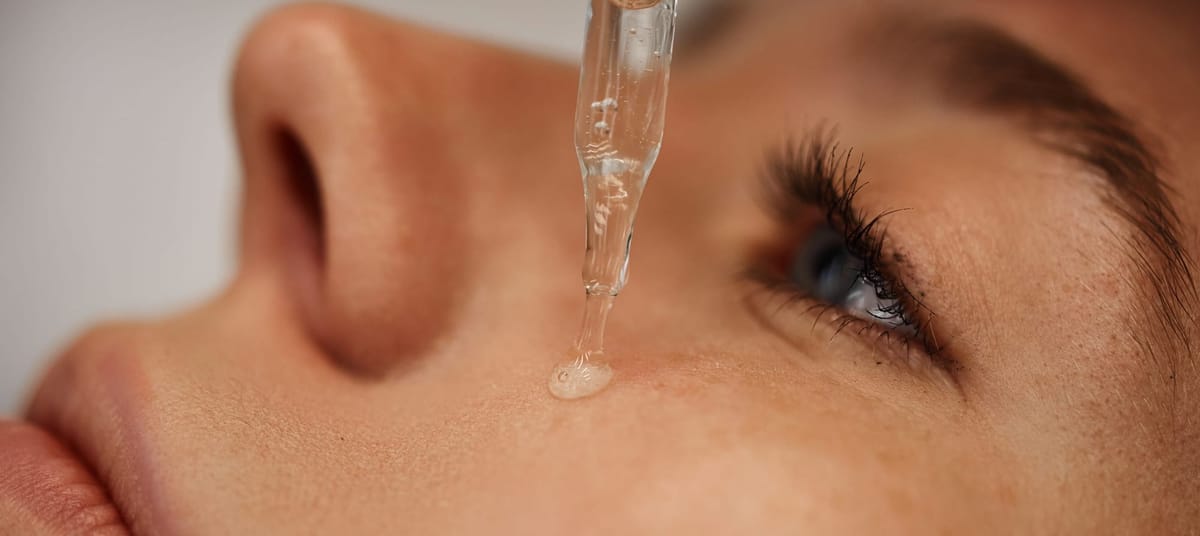
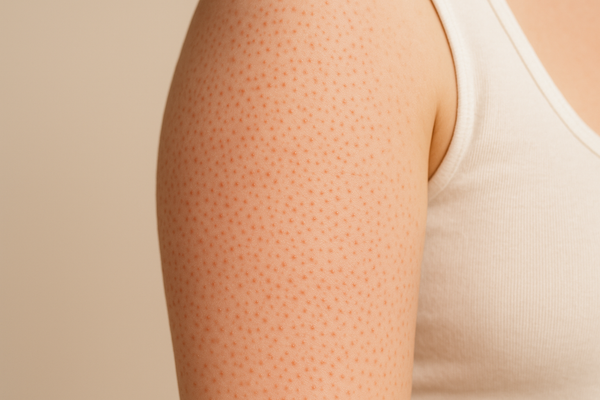
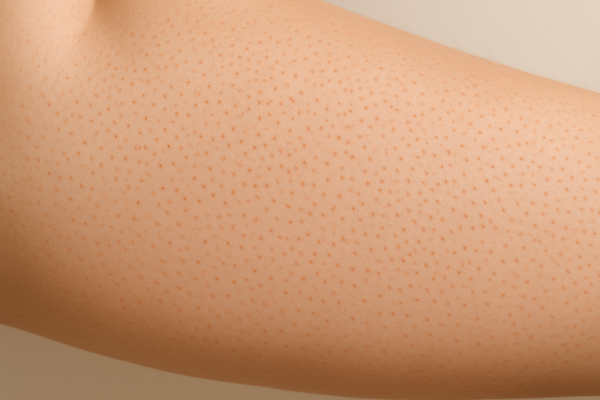
Hyperpigmentation is one of the most persistent and frustrating skin concerns — whether it appears as melasma, dark spots, or post-acne marks. It occurs when excess melanin builds up in certain areas, leading to uneven tone and discoloration. While it can be stubborn, certain ingredients are scientifically proven to fade pigmentation effectively and safely.
This article explores the top dermatologist-approved ingredients for hyperpigmentation — the ones most trusted in professional formulations — and how they work to deliver visible, lasting results.
For an in-depth explanation of what hyperpigmentation is, why it happens, and the different types, see What Is Hyperpigmentation? Causes, Types & Treatments (Ultimate Guide).
1. Glycolic Acid (AHA)
How it works:
Glycolic acid is a powerful alpha hydroxy acid that gently exfoliates the surface of the skin. By removing dull, dead cells and accelerating cell turnover, it helps pigmented cells shed more quickly and allows brightening ingredients to penetrate deeper.
Best for:
- Sun-induced pigmentation and dullness
- Uneven texture and tone
Tips:
- Start with lower concentrations and use at night.
- Always follow with SPF — AHAs increase sun sensitivity.
2. Kojic Acid
How it works:
Kojic acid inhibits tyrosinase, the key enzyme responsible for melanin production. It’s one of the most effective natural alternatives to hydroquinone, targeting stubborn dark spots and uneven pigmentation.
Best for:
- Post-acne marks and age spots
- Uneven tone from sun exposure
Tips:
- Works best when combined with other brighteners like glycolic acid or niacinamide.
- Can be mildly sensitizing; introduce gradually.
3. Tranexamic Acid
How it works:
Originally developed to treat excessive bleeding, tranexamic acid was later found to have strong anti-pigment properties. It interrupts the pathways that trigger melanin overproduction, particularly those linked to inflammation and UV exposure.
Best for:
- Melasma and hormonal pigmentation
- Stubborn discoloration that resists standard treatments
Tips:
- Can be layered with vitamin C or niacinamide for enhanced results.
- Use consistently for at least 8–12 weeks for visible improvement.
4. Alpha Arbutin
How it works:
Alpha arbutin is a naturally derived skin-brightening agent that slowly releases hydroquinone in a controlled, non-irritating form. It suppresses melanin formation without the harsh effects often associated with stronger bleaching agents.
Best for:
- Mild pigmentation
- Sensitive skin types
Tips:
- Combine with niacinamide or vitamin C for faster results.
- Suitable for both morning and evening use.
5. Niacinamide (Vitamin B3)
How it works:
Niacinamide prevents the transfer of melanin from pigment-producing cells to the skin’s surface while also strengthening the skin barrier. It helps calm inflammation and reduces redness, which is key for preventing post-inflammatory pigmentation.
Best for:
- Post-acne marks
- Uneven tone and sensitivity
Tips:
- Pairs well with acids, retinoids, and antioxidants.
- Use daily for cumulative brightening results.
Putting It All Together: The Power of Combination
Hyperpigmentation rarely responds to one ingredient alone. Dermatologists typically recommend combining exfoliating acids with pigment inhibitors for a comprehensive approach. For instance:
- Glycolic Acid + Kojic Acid → Removes dead skin cells while blocking melanin formation.
- Tranexamic Acid + Niacinamide → Calms inflammation and prevents pigment transfer.
- Alpha Arbutin + Acids → Enhances penetration and boosts radiance without irritation.
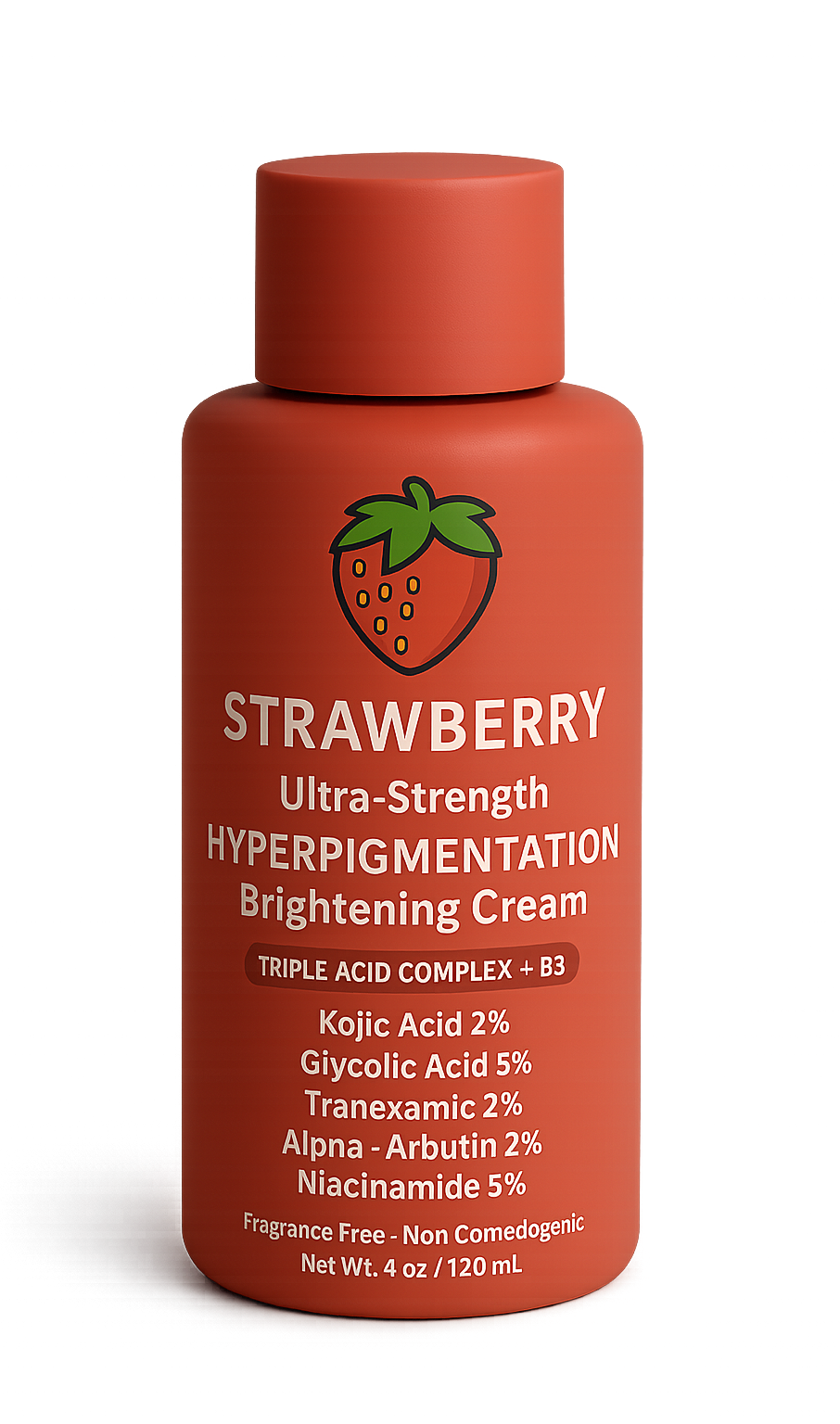
One product that successfully merges these dermatologist-approved ingredients into a single advanced formulation is the Strawberry Advanced Triple Acid Complex for Hyperpigmentation. It combines glycolic, kojic, and tranexamic acids — known as the “Triple Acid Complex” — with alpha arbutin and niacinamide for a full-spectrum brightening effect. The formula is fragrance-free, non-comedogenic, and designed for visible results on uneven tone, dark spots, and melasma — a combination many dermatologists favor for professional brightening protocols.
Lifestyle Habits That Support Even-Toned Skin
- Daily sunscreen (SPF 30+) is essential; UV exposure is the leading trigger of pigmentation.
- Avoid picking at acne or blemishes — this prevents post-inflammatory dark spots.
- Hydration and antioxidants (in diet and skincare) support skin recovery.
- Consistency is key — pigmentation fades gradually with steady use of proven actives.
Conclusion
The best approach to treating hyperpigmentation is to use ingredients that address the issue from multiple angles: exfoliation, melanin inhibition, and inflammation control.
Glycolic acid, kojic acid, tranexamic acid, alpha arbutin, and niacinamide are among the most studied and dermatologist-trusted for visibly brightening skin tone.
For those looking for an all-in-one solution that unites these clinically supported ingredients, Strawberry’s Advanced Triple Acid Complex for Hyperpigmentation stands out as a dermatologist-favorite formulation, backed by evidence and efficacy.
To understand why pigmentation occurs and how these ingredients target it, explore Strawberry’s detailed guide: What Is Hyperpigmentation? Causes, Types & Treatments (Ultimate Guide).
FAQ: Your Skin Questions, Answered
Q: How often should I exfoliate my skin?
A: Most skin types do well with exfoliation 1–2 times per week. Over-exfoliation can weaken your barrier and disrupt your microbiome, leading to sensitivity and dryness. Always listen to your skin’s signals.
Q: Do I really need sunscreen every day?
A: Yes! UV rays penetrate clouds and windows, so your skin is exposed daily. Sunscreen is the most powerful anti-aging and skin-protective step you can take.
Q: Can diet really affect my skin?
A: Absolutely. Antioxidant-rich foods (like berries and leafy greens) help protect against free radical damage, while omega-3 fatty acids support hydration and barrier strength. Hydration and balanced nutrition show up on your skin.