Best Moisturizers for Eczema: How to Choose the Right One

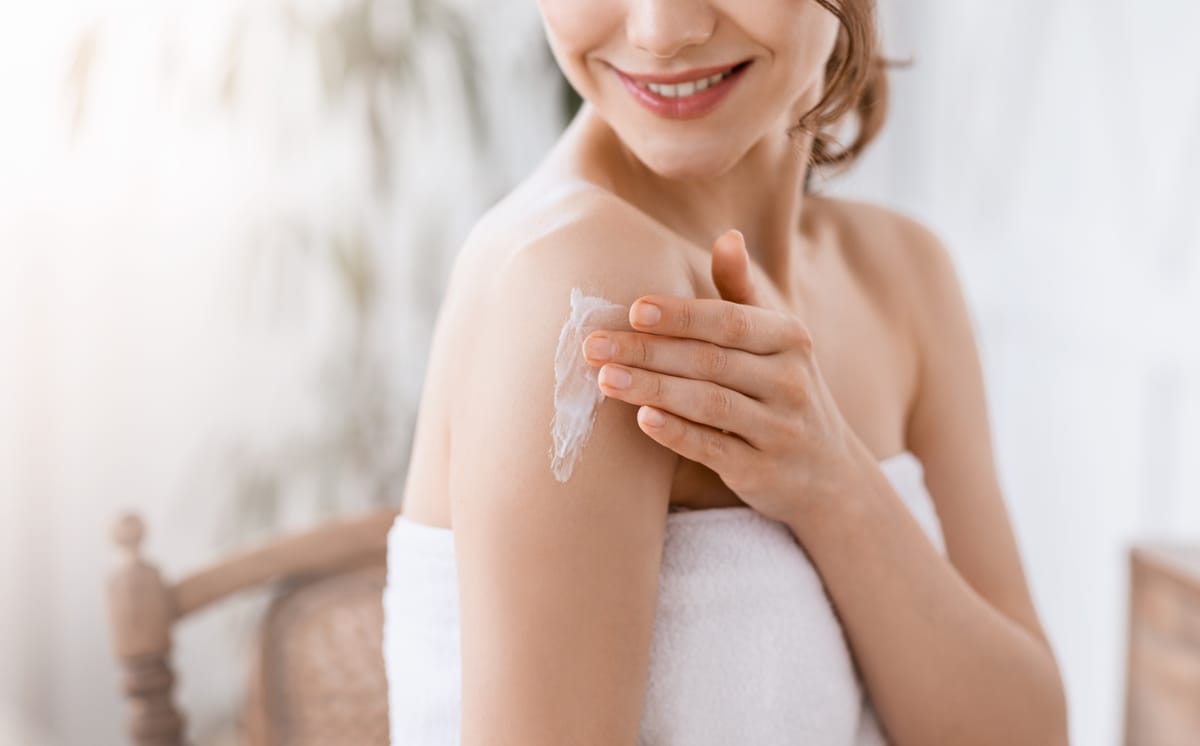
When your skin constantly feels dry, tight, or itchy, “just moisturize” doesn’t quite capture how much care eczema-prone skin really needs. The right moisturizer won’t cure eczema, but it can make daily comfort much easier by helping your skin barrier stay calm, hydrated, and resilient.
If you understand why certain creams work better than others, choosing one starts to feel a lot simpler.
For a full guide on what actually causes eczema and why the skin barrier matters, see Eczema Explained: Triggers, Symptoms & Treatments.
Why Moisturizing Is Essential for Eczema
Eczema weakens the skin barrier—the layer that locks in moisture and keeps irritants out. When that barrier breaks down, the skin dries out, itches, and becomes more reactive.
Moisturizing regularly helps break that cycle by:
- Replacing missing skin lipids such as ceramides and fatty acids.
- Sealing in hydration after cleansing.
- Soothing surface discomfort so it’s less prone to irritation.
Think of a moisturizer as a flexible shield that supports the skin while it repairs itself.

Different Moisturizer Textures (and When to Use Them)
Ointments are the thickest, offering long-lasting protection. They’re excellent for cracked or extremely dry skin but can feel heavy during the day.
Creams are balanced—rich enough to repair but light enough for morning and evening use. Most dermatologists recommend this texture for consistent, daily care.
Lotions are lighter and absorb quickly, better suited to mild dryness or humid climates.
If your skin flares easily, stick with fragrance-free, dye-free, and alcohol-free options. Short ingredient lists are often safer for sensitive skin.
Ingredients That Actually Help
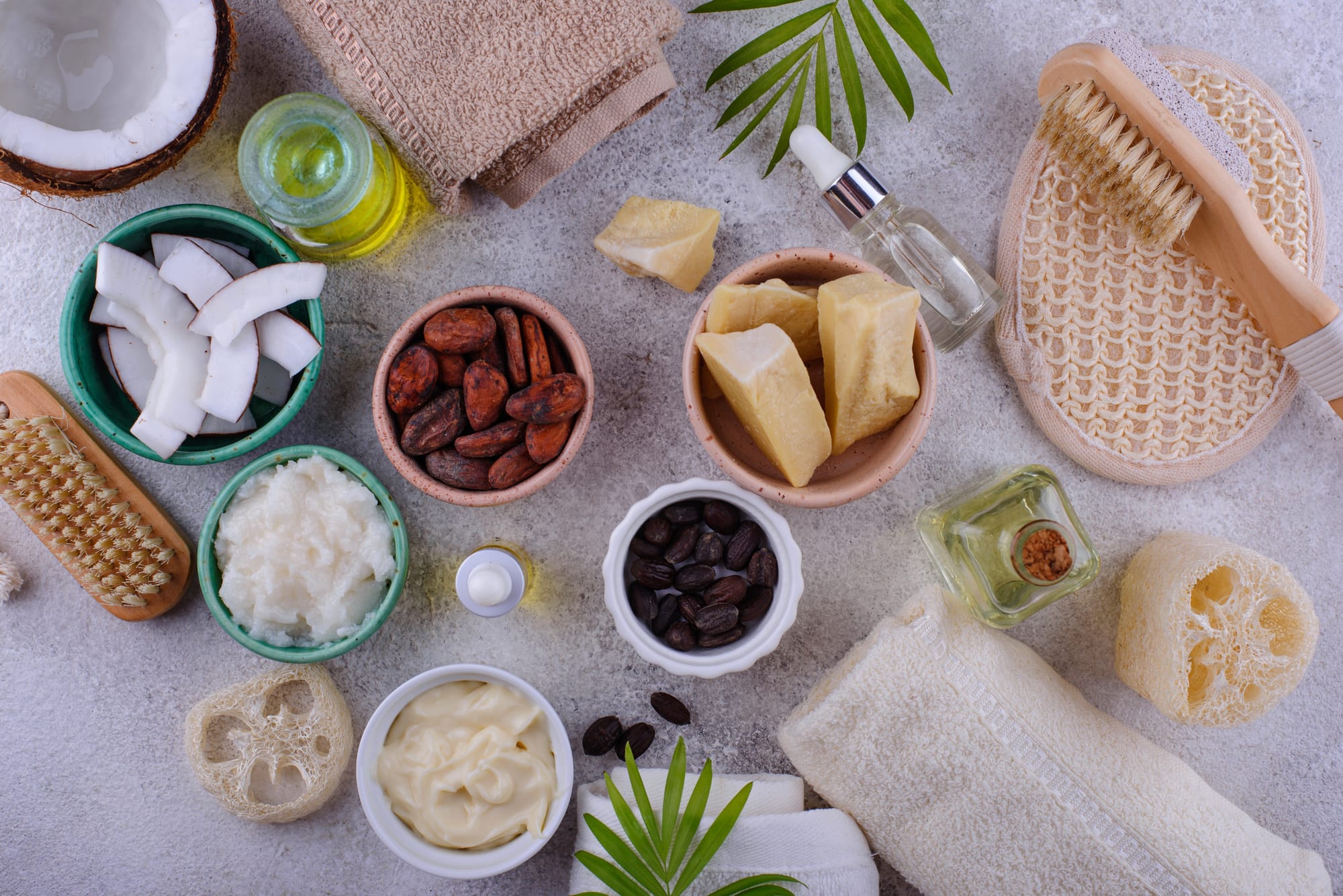
When reading labels, look for ingredients that replenish what eczema-prone skin loses most:
- Ceramides, cholesterol, and fatty acids rebuild the natural barrier.
- Colloidal oatmeal helps calm irritation and visible redness.
- Shea butter or petrolatum create a seal to lock moisture in.
- Niacinamide (vitamin B3) supports repair and reduces sensitivity.
- Glycerin and hyaluronic acid attract hydration to the upper layers.
These aren’t trendy extras—they’re essentials. Used consistently, they help the skin behave more like healthy, balanced skin.
How to Apply for Best Results
- Moisturize right after bathing. Lightly pat skin dry and apply while it’s still damp.
- Use enough product. A thin layer often isn’t enough to seal moisture in.
- Reapply through the day on exposed or frequently washed areas.
- Be consistent. Daily use matters more than timing or thickness.
Choosing a Barrier-Supportive Formula
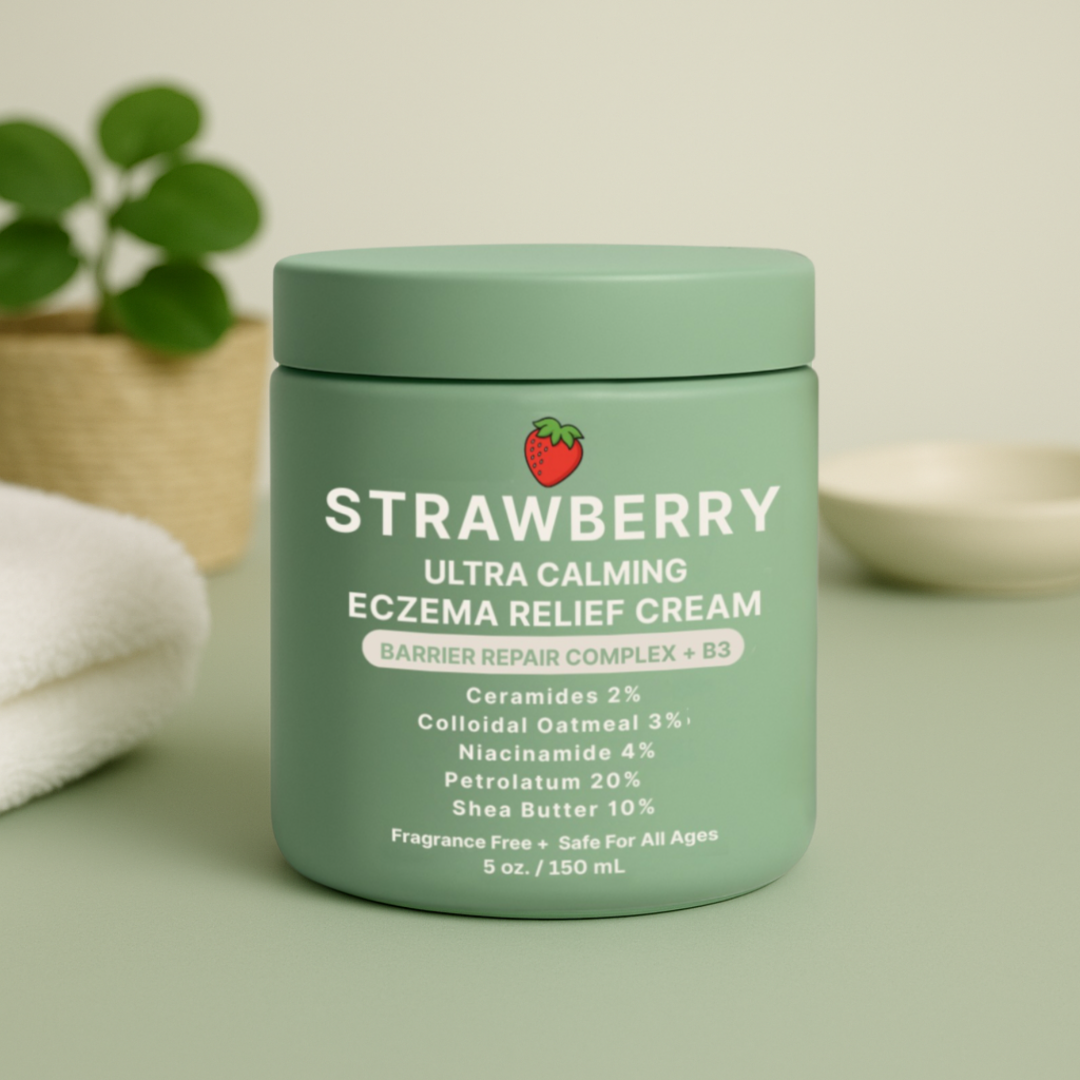
Many moisturizers now go beyond softening the skin; they’re formulated to strengthen the barrier itself. Look for blends of replenishing lipids and soothing ingredients like colloidal oatmeal and niacinamide.
My personal favorite type of eczema moisturizer is one that feels rich but still sinks in fast—something built around ceramides and colloidal oatmeal. These textures leave skin comfortable without the heavy film that can make eczema-prone areas feel smothered.
Strawberry’s barrier-repair cream fits that description beautifully. It’s designed for sensitive, dry, and eczema-prone skin and focuses on restoring comfort through barrier support rather than intensity.
If you’re exploring this topic more deeply, Strawberry also shares educational guides and blogs on eczema—from understanding flare triggers to rebuilding your skin barrier step by step.
Everyday Tips for Calmer, Moisturized Skin
- Keep showers short and lukewarm, not hot.
- Use a gentle, non-foaming cleanser once daily.
- Apply moisturizer morning, night, and after every wash.
- Wear soft cotton fabrics and avoid wool against bare skin.
- Run a humidifier in dry climates or during winter months.
Small, consistent adjustments make your moisturizer work harder for you.
When to Get Professional Help
If your eczema is bleeding, painful, or keeping you up at night despite daily care, it’s time to see a dermatologist. They can help identify triggers and, if necessary, recommend prescription options.
Your moisturizer routine will still play a key role—think of it as your skin’s daily armor.
The Bottom Line
Eczema-prone skin thrives on consistency and simplicity. Look for moisturizers rich in ceramides, shea butter, and soothing agents like oatmeal or niacinamide. These ingredients help rebuild the barrier that eczema weakens.
If you prefer a formula already designed with that balance in mind, barrier-supportive options like Strawberry’s cream fit naturally into gentle, fragrance-free routines.
Your skin doesn’t need more intensity—it needs more kindness, every single day.
References:
- National Eczema Association – Moisturizing Basics
- American Academy of Dermatology – Eczema Skin Care Tips
FAQ: Choosing and Using Moisturizers for Eczema
How often should I moisturize if I have eczema?
At least twice daily — ideally right after bathing and again before bed. Reapply on hands, face, or other exposed areas whenever they start to feel dry. Consistency matters more than quantity; think of it as ongoing barrier maintenance, not a one-time fix.
Is there a difference between lotion, cream, and ointment for eczema?
Yes. Ointments (like petroleum-based formulas) offer the strongest protection but can feel greasy. Creams balance hydration and comfort — the best choice for daily use. Lotions are lighter and suit mild dryness or humid climates but may not provide enough barrier support during flares.
Which ingredients should I look for — or avoid?
Look for ceramides, colloidal oatmeal, shea butter, petrolatum, niacinamide, and glycerin — they rebuild and soothe the skin barrier.
Avoid fragrance, alcohol, essential oils, and dyes, which can worsen sensitivity or itching.
Can a moisturizer alone manage eczema?
Moisturizing is the foundation of eczema care but not a full treatment. It keeps the barrier strong and flares less frequent, yet persistent or painful symptoms often need medical care (like prescription anti-inflammatories or barrier-repair therapies).