Best Moisturizers for KP

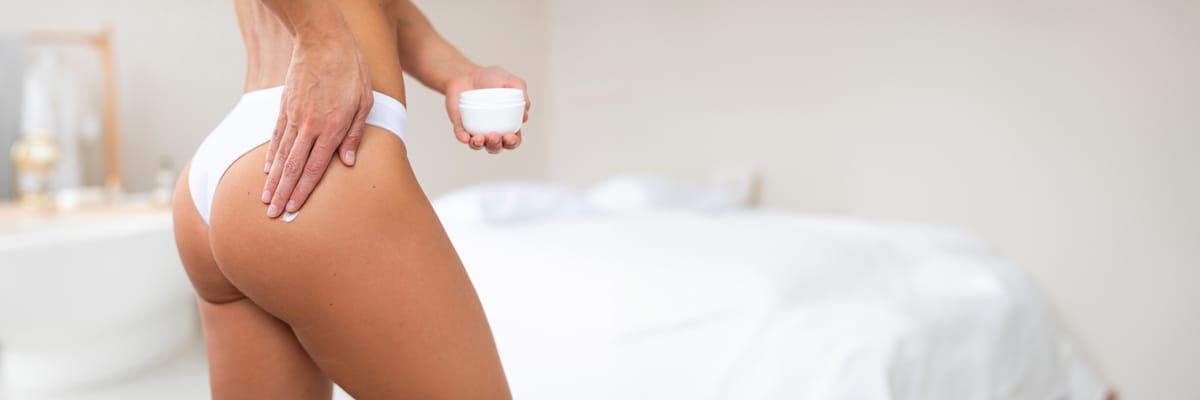
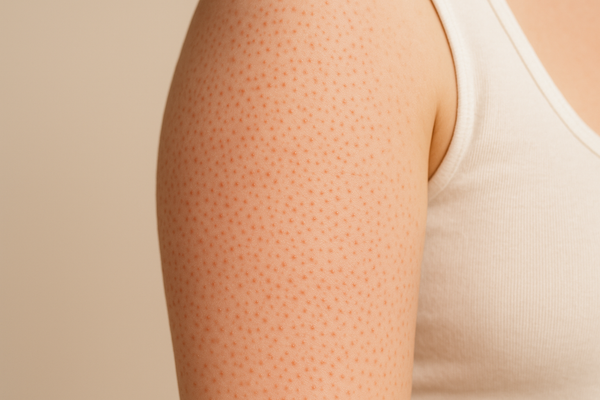
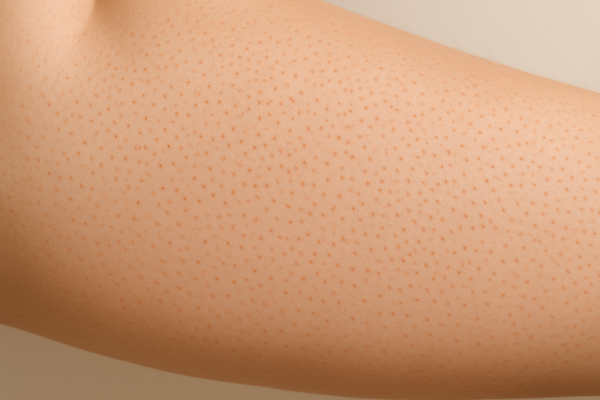
Those tiny, rough bumps on the backs of your arms or thighs — the ones that never seem to go away, no matter how much you exfoliate — are likely keratosis pilaris (KP).
The good news? You don’t need a complicated routine to manage it.
KP responds best to one thing: moisturizing, consistently, with the right kind of product.
Not just any lotion, though. The best moisturizers for KP are packed with gentle exfoliants and barrier-repairing ingredients that help smooth texture and prevent new bumps from forming.
Here’s how to choose one that actually makes a difference — and what to expect when you find your perfect match.
For a full breakdown of what KP is and why it happens, see KP Explained.
Why Moisturizing Matters So Much for KP
Keratosis pilaris forms when keratin — a protein that protects your skin — builds up and plugs your hair follicles.
When your skin is dry, this buildup becomes harder, thicker, and more visible.
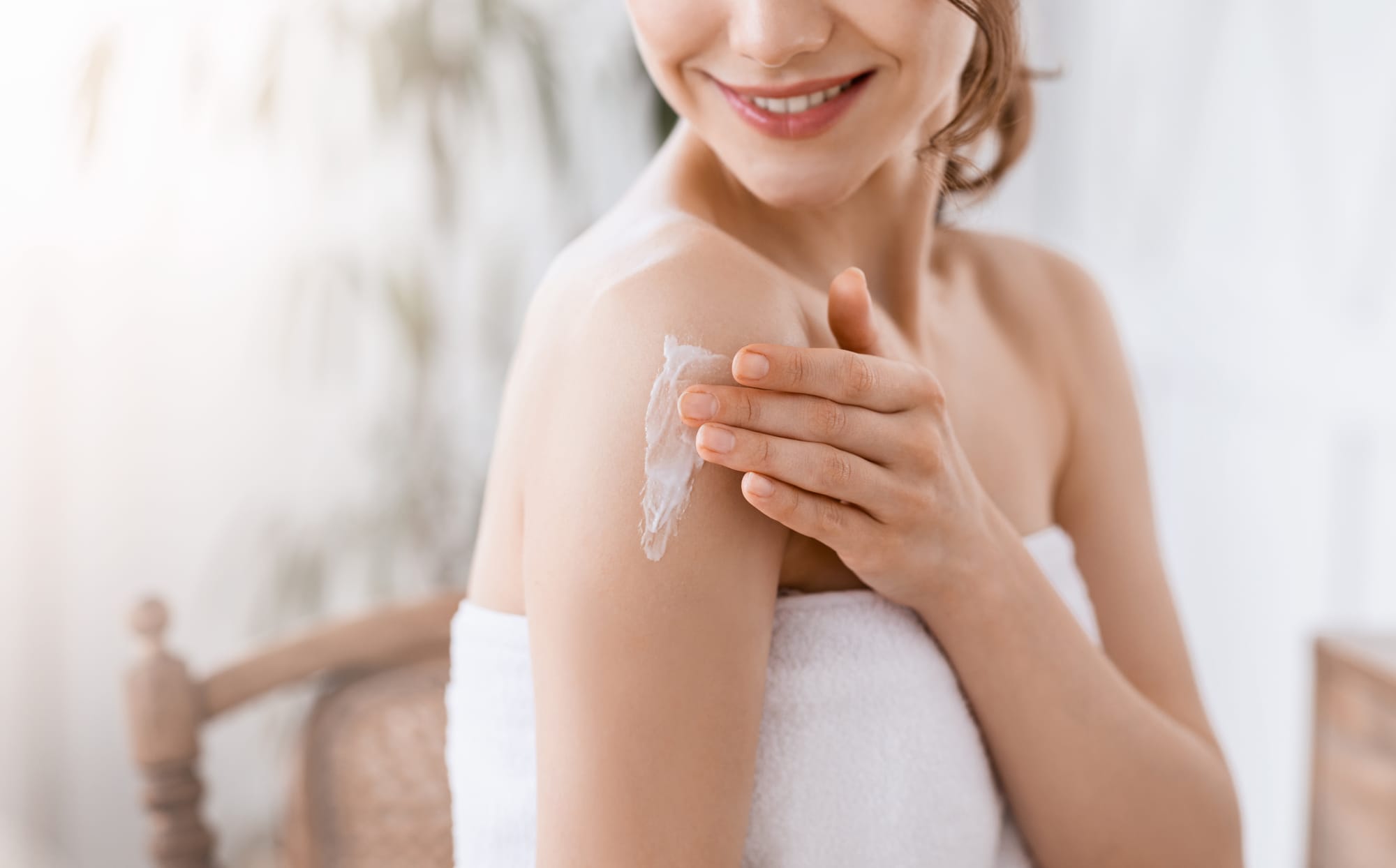
Moisturizer doesn’t just make your skin feel softer. It:
- Keeps the surface hydrated, so keratin plugs loosen naturally.
- Supports the skin barrier, reducing inflammation and flakiness.
- Prevents new blockages, when used consistently.
Without moisturizer, even the best exfoliants can leave KP-prone skin irritated and tight.
What to Look For in a KP Moisturizer
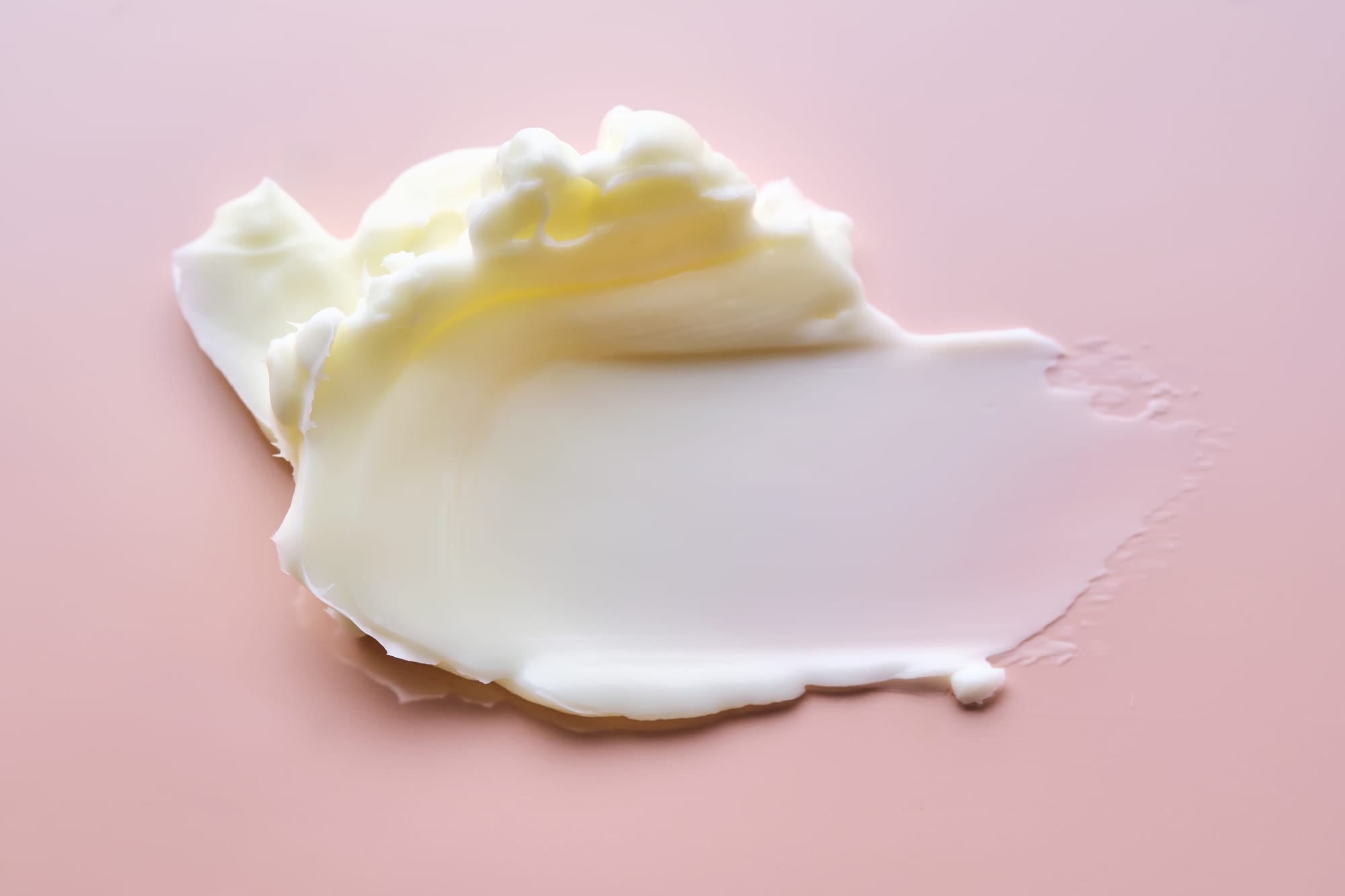
KP needs a moisturizer that’s rich but not greasy, with gentle exfoliating ingredients to smooth bumps over time.
Here’s what makes a difference:
1. Lactic Acid or Urea
These ingredients act as humectants (pulling in moisture) and keratolytics (softening built-up keratin).
They gently dissolve roughness while hydrating — a win-win for smoother texture.
Look for:
- Lactic acid: around 5–12% for daily use.
- Urea: around 10–20% for mild exfoliation and softness.
2. Ceramides and Fatty Acids
These help rebuild the “mortar” of your skin barrier — essential for calming KP’s dryness.
They prevent tightness and flaking after exfoliation.
3. Shea Butter or Petrolatum
Deeply nourishing, especially for rough areas like arms and thighs.
Choose textures you enjoy applying — thicker in winter, lighter in summer.
4. Fragrance-Free and Dye-Free
Fragrance can easily irritate KP-prone skin. Stick to simple, hypoallergenic formulas.
Ingredients to Be Cautious With
Not everything marketed for “rough skin” helps. Some can actually make KP more visible.
Avoid or limit:
- Scrubs with large grains (they can scratch and inflame follicles)
- High-strength acids unless directed by a professional
- Fragrances, menthol, or alcohol (can sting or dry the skin)
Gentle consistency works better than harsh exfoliation every single time.
How to Use KP Moisturizer Effectively
- Apply right after showering while your skin is still slightly damp — this locks in water.
- Use daily, not just when bumps flare. KP improves through routine, not intensity.
- Pair with gentle exfoliation 2–3 times per week (like a mild lactic acid body lotion).
- Don’t over-layer actives. Stick to one exfoliating ingredient at a time to avoid irritation.
You’ll usually start noticing smoother texture within 4–6 weeks of consistent care.
Best Types of Moisturizers for KP (by Texture)
Different people prefer different textures — what matters most is finding one you’ll actually enjoy using daily.
Creams (Best for Most People)
Rich and balanced. Ideal for arms, thighs, or cheeks — where KP usually appears.
Look for:
- Lactic acid 5–12% or urea 10–20%
- Ceramides or shea butter for barrier repair
- Glycerin to retain hydration
Lotions (For Lightweight Daily Use)
Good for warm climates or oily skin types. May not be hydrating enough alone in winter.
Look for:
- Urea 10% or lactic acid 5%
- Added emollients like squalane or jojoba oil
Ointments (For Severe Dryness)
Best used as a “top coat” at night over cream or lotion.
Look for:
- Petrolatum, mineral oil, or dimethicone
- No exfoliants — just pure barrier support
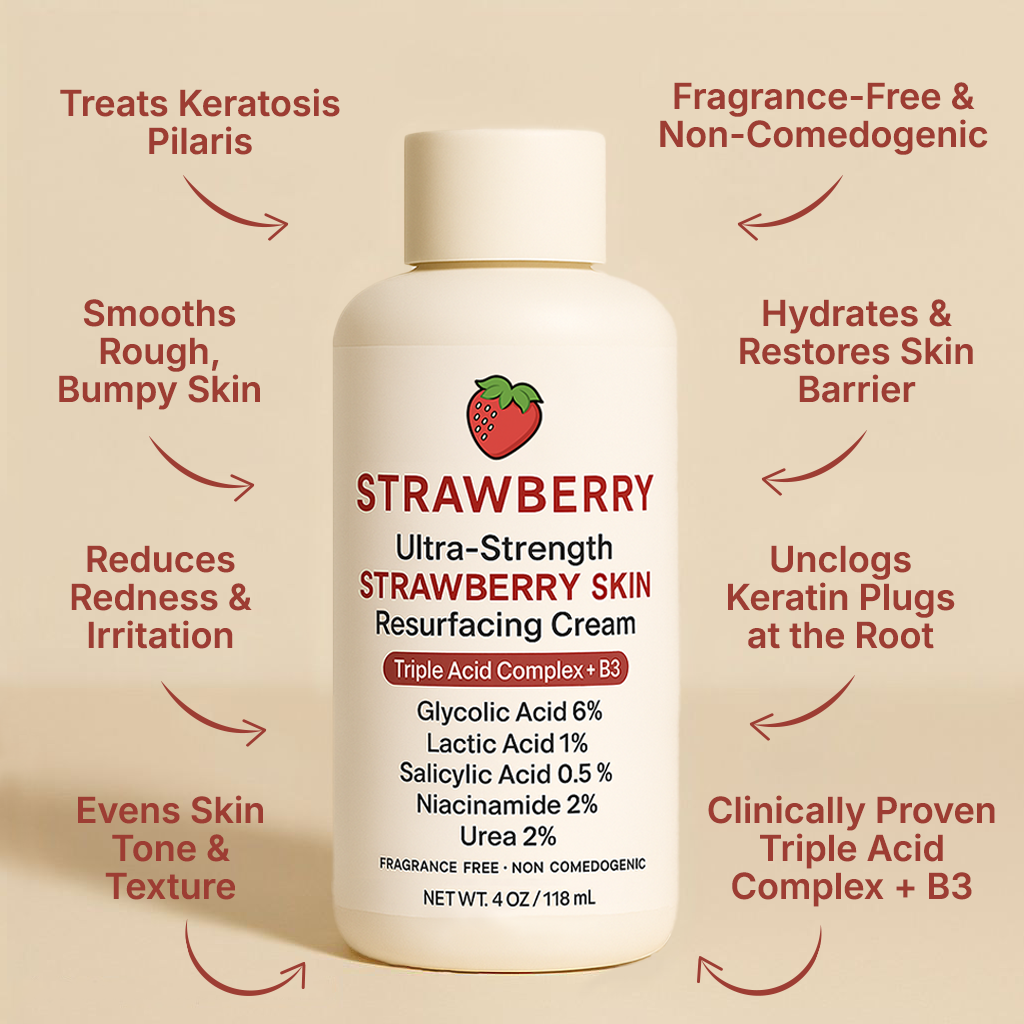
My Personal Favorite Type
My personal favorite type of KP moisturizer is one that feels rich but still sinks in fast — something built around ceramides and colloidal oatmeal.
It soothes dryness without heaviness and leaves the skin feeling calm instead of greasy.
Formulas like this are gentle enough for daily use and supportive enough for long-term smoothing.
Strawberry’s barrier-repair cream fits right into that philosophy. It focuses on comfort and barrier support, not aggressive exfoliation, which makes it ideal for sensitive or easily irritated skin.
And if you’re looking to learn more about how to build a routine around it, Strawberry’s educational library covers every step of KP care — from ingredients that smooth bumps to tips for calming redness naturally.

Common Mistakes to Avoid
Even the best moisturizer won’t help much if your habits work against it.
Here’s what to skip:
- Skipping moisturizer after showering — that’s when skin loses water fastest.
- Scrubbing with rough brushes — irritation worsens texture.
- Switching products too quickly — KP needs consistency to respond.
- Using too many actives at once — layering acids can damage your barrier.
Gentle, steady care beats aggressive routines every time.
When to Expect Results
KP doesn’t disappear overnight.
Most people see visible smoothing in 4–6 weeks, and more even tone over 2–3 months.
Keep in mind:
- Texture fades gradually.
- Redness takes longer to calm.
- Consistency is the real secret ingredient.
Even after improvements, staying consistent prevents bumps from returning.
When Moisturizer Isn’t Enough
If you’ve been moisturizing and exfoliating regularly for several months but still have persistent roughness or redness, it might be time to:
- Adjust exfoliant strength (with professional advice).
- Check for other causes like eczema or folliculitis.
- Consult a dermatologist about advanced options like chemical peels or laser treatments.
Before jumping to higher-intensity procedures, remember: lasers and peels don’t repair the barrier. Moisturizer remains the foundation, no matter what.
The Bottom Line
The best moisturizer for KP is one that balances gentle exfoliation with deep hydration — no harsh scrubs, no heavy fragrance, no miracle promises.
Start simple:
- Choose a urea or lactic acid cream.
- Layer barrier-supporting ingredients like ceramides or oatmeal.
- Apply consistently, especially after bathing.
With patience, the bumps soften, the redness fades, and your skin feels smoother and more comfortable day by day.
Your skin doesn’t need perfection — it just needs steady, kind care.
For more on building your KP routine from start to finish, explore KP Explained or browse Strawberry’s guides for barrier-supportive body care.
FAQ: Choosing and Using Moisturizers for Keratosis Pilaris (KP)
Q: What kind of moisturizer works best for KP?
A: The best moisturizers for KP contain urea (10–20%), lactic acid (5–12%), or ceramides. These ingredients gently smooth keratin buildup while strengthening your skin barrier. Choose fragrance-free creams that feel rich but absorb well — daily use is more important than brand or texture.
Q: How often should I moisturize KP-prone skin?
A: If your skin tolerates them, yes — but start slowly. Use exfoliating body creams with lactic acid or urea once a day or every other day at first. If you notice dryness or stinging, alternate with a plain ceramide or shea butter cream to avoid irritation.
Q: How long before I see results?
A: Most people notice smoother texture within 4–6 weeks, and more even tone within 2–3 months of consistent use. KP doesn’t vanish overnight, but steady moisturizing and gentle exfoliation make a visible difference with time.