Best Treatments for KP: From Simple Fixes to Advanced Care

Best Treatments for KP: From Simple Fixes to Advanced Care
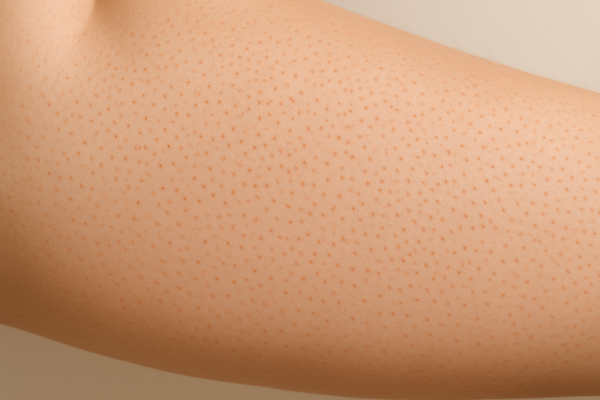
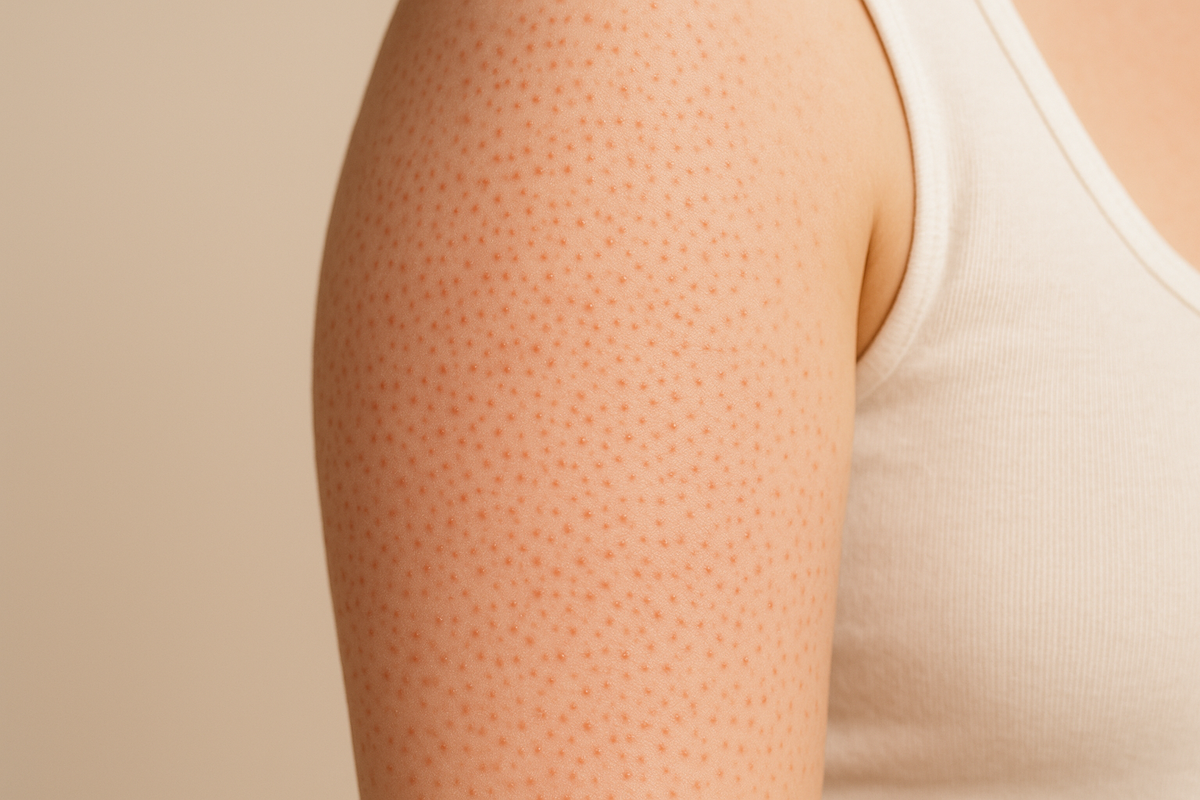
If you’ve ever run your hand over the back of your arms or thighs and felt that sandpaper-like texture, you’ve met keratosis pilaris — the tiny, harmless bumps often nicknamed “chicken skin.”
It’s incredibly common and completely harmless. But that doesn’t make it any less frustrating when it just won’t go away.
The truth is, KP doesn’t need harsh scrubbing or expensive procedures — it needs the right kind of gentle, consistent care.
This guide walks you through what actually works, what tends to make things worse, and how to choose treatments that fit your skin, your budget, and your patience level.
You can start by reading KP Explained if you’d like a deeper look at what causes those little bumps.
Why KP Happens — and What That Means for Treatment
Keratosis pilaris forms when keratin, a protective skin protein, builds up inside the hair follicles.
That buildup feels rough to the touch and can look red, pink, or darker depending on your skin tone.
It’s not a disease, and it’s not contagious — it’s just your skin’s way of renewing itself a little too slowly.
Because of that, the best KP treatments aren’t about “curing” anything; they’re about helping your skin shed smoothly and stay moisturized so plugs don’t form.
Think of it as a two-step balance: loosen buildup + protect your barrier.
The Core of KP Care
Every routine that truly helps KP comes down to three principles:
- Gentle exfoliation
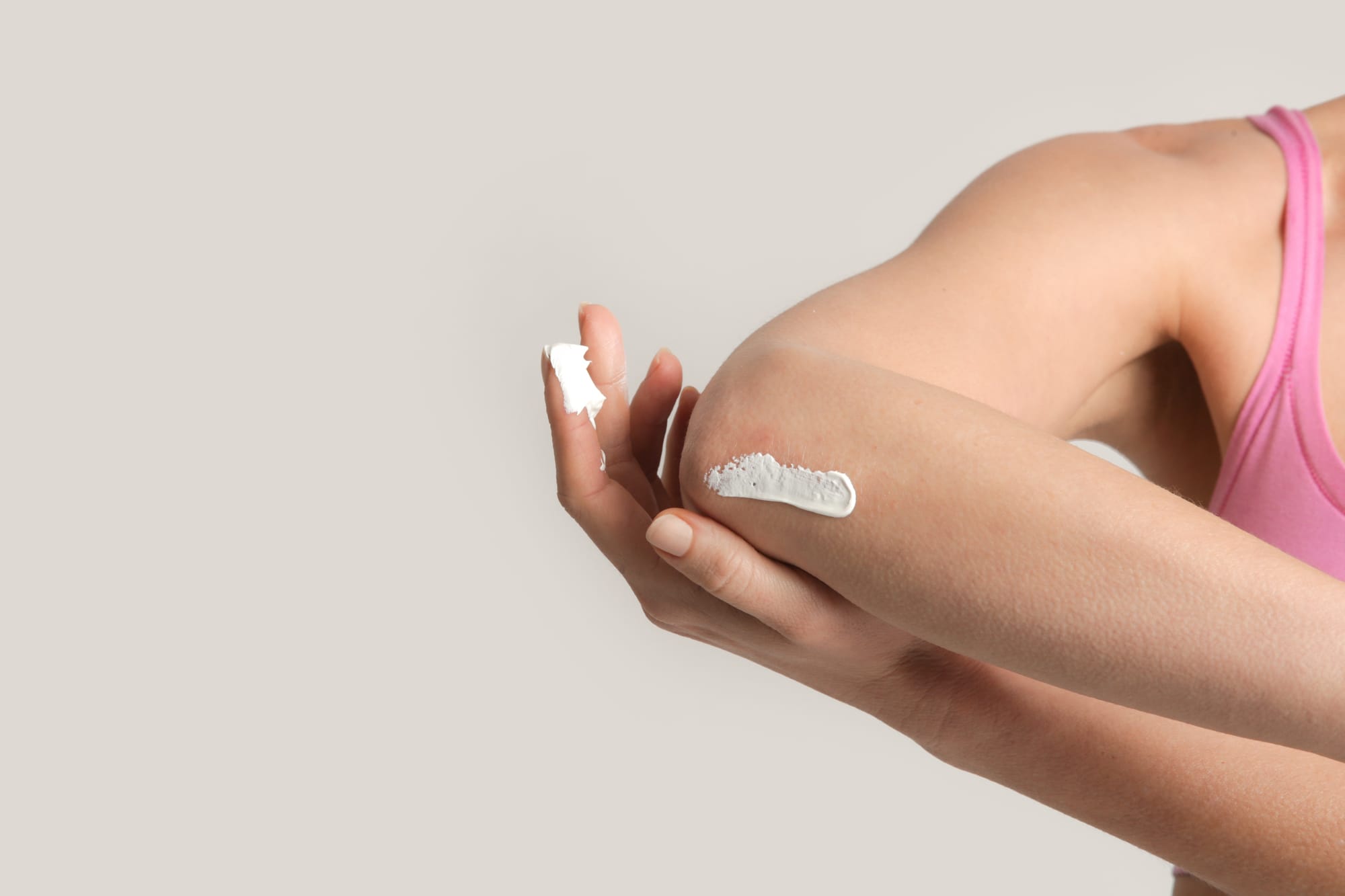
- Deep moisturization
- Consistency
Let’s look at each one — and what actually helps in real life.
1. Gentle Exfoliation: Smoothing Without Scrubbing
This is where most people go wrong. Those bumps may feel rough, but scrubbing them hard only irritates the skin and makes redness worse.
Instead, use chemical exfoliants — ingredients that dissolve buildup instead of scratching it away.
The three most helpful are:
Lactic acid: A mild alpha-hydroxy acid (AHA) that hydrates while it exfoliates. It’s perfect for sensitive skin and works gradually to soften texture.
Urea: A multitasking ingredient that hydrates deeply while loosening keratin plugs. Around 10–20% concentration is enough for smoother, softer skin without sting.
Salicylic acid: A beta-hydroxy acid (BHA) that targets clogged follicles. It’s useful if your KP feels bumpy and oily, but stick to low strengths (0.5–2%) to avoid dryness.
A few gentle swipes of one of these ingredients two or three times a week do far more than scrubbing ever could.
2. Deep Moisturization: The Real MVP
If exfoliation helps clear the path, moisturizer keeps it open.
KP loves dryness — the rougher your skin gets, the more the plugs cling on.
Choose a moisturizer that feels rich but still sinks in quickly.
The best ones combine:
- Hydrating ingredients like glycerin or hyaluronic acid
- Barrier-rebuilding lipids like ceramides and fatty acids
- Soothers such as colloidal oatmeal or niacinamide
- Nourishers like shea butter or squalane
If your skin feels tight right after showering, that’s your cue to moisturize immediately — while skin is still slightly damp. That single step locks in far more water than applying lotion later.
For more detailed guidance on texture and product types, head to Best Moisturizers for KP — it breaks down what to look for depending on your skin feel and climate.
3. Daily Habits That Make a Big Difference
KP often looks worse when everyday habits strip your skin’s natural oils.
Here’s how to quietly protect your progress:
- Keep showers short and lukewarm — hot water dries your skin fast.
- Use a gentle, fragrance-free body cleanser.
- Pat skin dry instead of rubbing.
- Wear soft fabrics that don’t chafe, especially over rough patches.
- Moisturize every single day — not just when you remember.
It sounds simple, but these small habits are what turn treatments into results.
Going a Step Further: Optional Extras
If you’ve been consistent with gentle exfoliation and daily moisturizing for a few months and still feel like your KP hasn’t changed much, there are a few ways to gently step things up.
Professional Chemical Peels
Some dermatologists use mild acid peels (often with lactic or glycolic acid) to smooth stubborn KP.
They can make texture more even, but they’re best for people whose skin already tolerates exfoliants well.
The downside? Peels can cause temporary redness or dryness, and you’ll still need a solid moisturizer routine afterward. They’re a boost — not a fix.
Laser Treatments
Lasers can help some people — mainly by reducing redness or persistent roughness — but they don’t treat the root cause of KP.
They work by resurfacing the skin or targeting tiny blood vessels, depending on the type of laser used.
Here’s what to keep in mind:
- Results vary widely. Some see smoother texture, others very little change.
- Treatments are expensive — often several hundred dollars per session, with multiple sessions needed.
- Redness, peeling, and pigment changes can occur, especially on deeper skin tones.
Prescription Options
Dermatologists may sometimes recommend low-strength retinoid creams (like adapalene) for very stubborn KP.
These help increase cell turnover — but they can also make the skin dry and sensitive, especially on the arms or thighs.
If you’re considering that route, talk to your dermatologist about layering moisturizers and limiting use to a few nights a week.
When KP Looks Worse — and How to Handle It
KP often flares with weather changes, especially in winter or after long hot showers.
Sometimes it also worsens during hormonal shifts like puberty, pregnancy, or menopause.
When bumps feel rougher or redder, scale back exfoliation and focus purely on moisture.
Once the skin feels calm again, you can slowly reintroduce your exfoliant.
Remember, KP isn’t dangerous — it’s a texture issue, not a health concern.
But if the bumps become sore, inflamed, or start to ooze, check in with a dermatologist. That could signal infection or another skin condition that needs medical care.
How to Build a Simple KP Routine
Here’s how a balanced, gentle plan might look — without listing products or overcomplicating things.
Morning:
- Shower with a mild, fragrance-free body cleanser.
- Pat skin dry — no rubbing.
- Apply a rich moisturizer with lactic acid or urea to damp skin.
Evening (2–3 nights a week):
- Gently exfoliate with your chosen chemical exfoliant.
- Follow with a barrier-supportive moisturizer.
Weekly:
- Check in with your skin. If it’s feeling tight, itchy, or red, take a break from exfoliation. Moisturizer alone can do wonders in those recovery days.
KP thrives on routine. Once your skin gets used to steady care, the bumps gradually flatten and the redness softens.
When to Get Professional Help
You don’t need to see a dermatologist for mild KP — but it’s a good idea if:
- The texture feels painful or inflamed.
- You’ve used gentle exfoliants and moisturizers for months without change.
- You’re unsure whether it’s KP or another condition (like eczema or folliculitis).
A professional can confirm what’s going on and tailor the strength of exfoliants or recommend in-office options if you’re ready to go beyond over-the-counter care.
Treatments That Usually Aren’t Worth It
It’s easy to get drawn in by trendy “miracle fixes.” Here’s what most experts say isn’t worth the effort or risk:
- Rough body scrubs: They only inflame the skin and make redness worse.
- Home microdermabrasion tools: Too harsh for sensitive, dry areas.
- Essential oils or scented “natural” creams: Fragrance and oils often irritate KP.
- Aggressive exfoliation routines: Doing too much too fast only damages the barrier.
The gentler your approach, the better your results.
The Emotional Side of KP
While KP isn’t dangerous, it can affect confidence — especially when bumps show up on visible areas like the upper arms.
It’s okay to feel frustrated. These little bumps can be stubborn, and they often improve slowly.
The key is remembering that smooth skin isn’t the goal — comfortable, healthy skin is.
When your barrier feels calm and hydrated, the appearance naturally follows.
How Long Does It Take to See Results?
Real talk — KP takes time.
Most people start noticing improvement after about four to six weeks of steady care. The bumps become softer first, then less red over the next couple of months.
You can’t rush it — but you can trust the process.
The best KP results come from consistency, not intensity.
Putting It All Together
If KP were a three-step philosophy, it would look like this:
- Loosen buildup with gentle exfoliants like lactic acid or urea.
- Repair and protect with barrier-rich moisturizers.
- Repeat daily until your skin finds its rhythm again.
No scrubbing, no quick fixes, no overpromising. Just small, consistent steps that rebuild comfort and confidence.
The Bottom Line
Keratosis pilaris may be stubborn, but it’s not complicated.
The best treatments aren’t flashy — they’re the simple, soothing habits that keep your barrier happy: gentle exfoliation, rich moisture, and patience.
Start where your skin is today.
If you ever decide to try professional options, go in knowing the real pros and cons — and remember that daily care will always matter more than any single treatment.
Smooth, calm skin isn’t about doing everything. It’s about doing less, but doing it well.
For more help understanding your options and ingredients, check out:
- KP Explained – what KP is and why it happens
- Best Moisturizers for KP – choosing your daily base
FAQ: Treating Keratosis Pilaris (KP)
Q: What is the best treatment for KP?
A: The most effective routine combines gentle exfoliation and daily moisturization. Use lotions with lactic acid (5–12%), urea (10–20%), or salicylic acid (0.5–2%) to loosen buildup, and follow with a ceramide-rich cream to lock in hydration. KP improves gradually through routine, not intensity.
Q: How long does it take to see results?
A: Most people notice smoother skin within 4–6 weeks, with redness and roughness continuing to fade over 2–3 months. KP responds to consistency, so daily care makes more difference than strong treatments or frequent scrubbing.
Q: Do professional treatments like peels or lasers work?
A: They can help some people, especially with redness or stubborn texture, but results are subtle and temporary. Both options are best as complements to daily care, not replacements. Always start with at-home routines before moving to in-office treatments.
Q: Should I exfoliate or scrub KP bumps?
A: Avoid harsh physical scrubs — they only cause redness and irritation. Instead, use chemical exfoliants like lactic acid, urea, or salicylic acid a few times a week. These dissolve buildup gently and keep your skin barrier calm.