Common Skin Concerns Explained: KP, Eczema & Hyperpigmentation

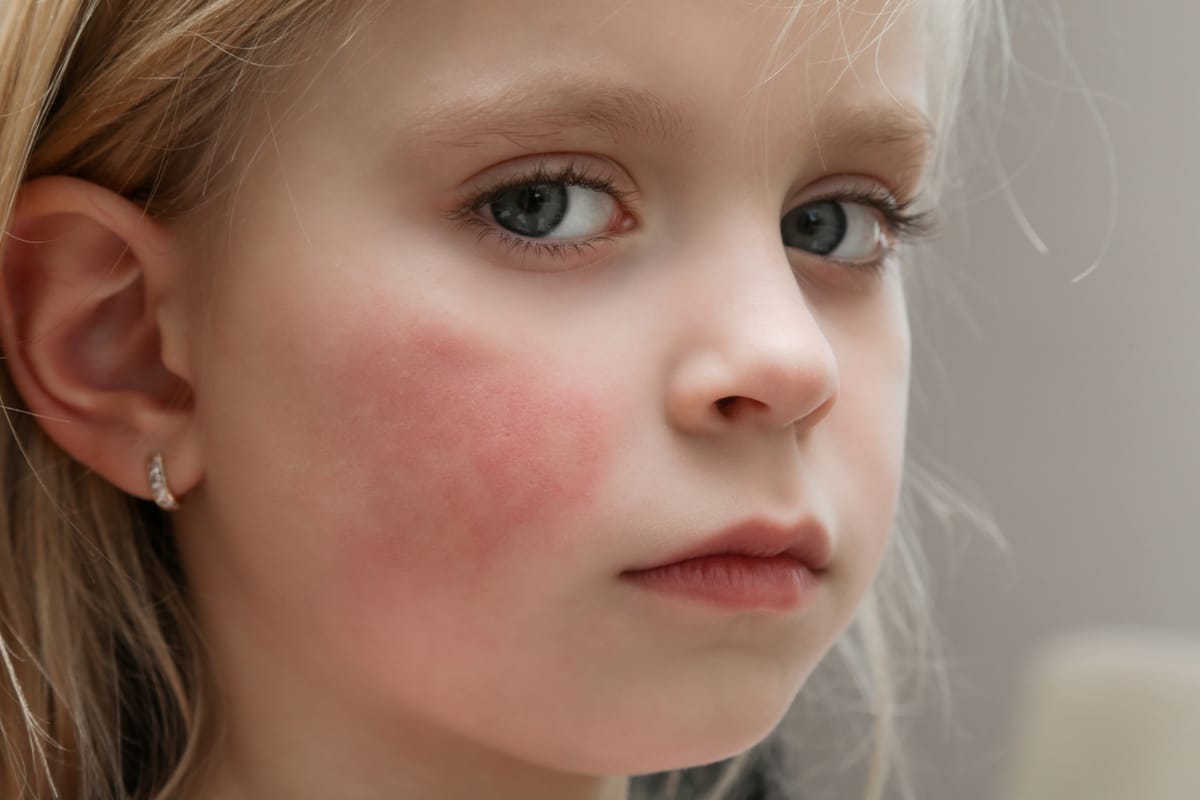
Introduction
Our skin is the body’s largest organ, and like any other part of us, it can experience challenges. Some skin concerns are temporary, while others linger, affecting both appearance and confidence. Three of the most common conditions people struggle with are keratosis pilaris (KP), eczema, and hyperpigmentation.
Each one has its own causes, symptoms, and treatments—but they share a common theme: they’re more common than you think and completely manageable with the right approach.
In this article, we’ll explore the basics of each condition so you can better understand what might be happening with your skin. And if you want to go deeper, we’ll also link you to full guides dedicated to each condition.eaks down skin’s layers, functions, and microbiome in an easy-to-follow way.
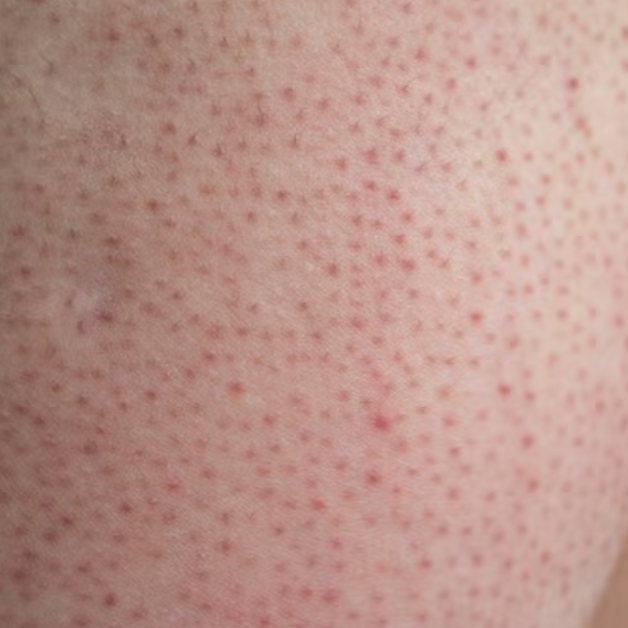
Keratosis Pilaris (KP): The “Chicken Skin” Condition
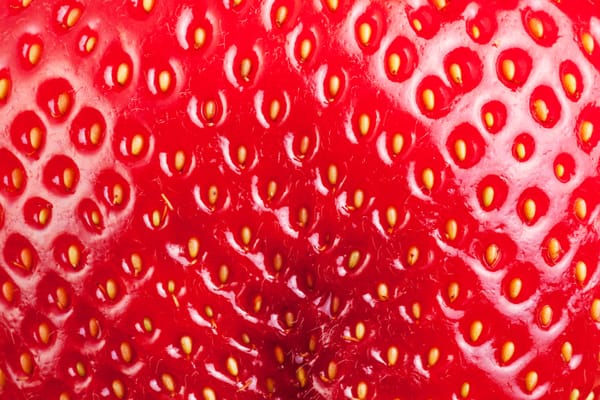
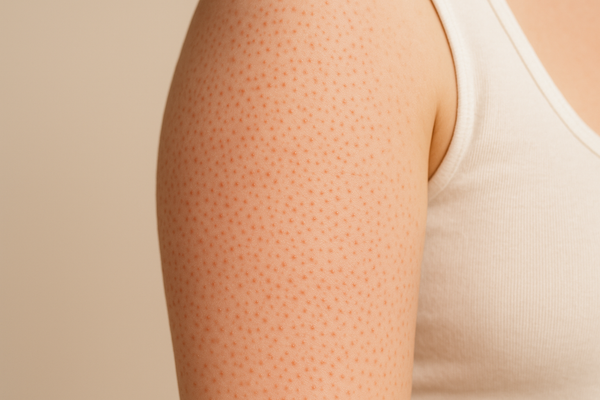
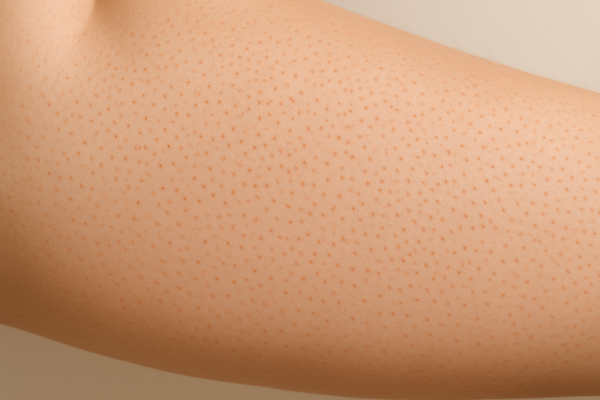
Keratosis pilaris, often nicknamed “chicken skin” or “strawberry skin”, is a harmless but frustrating skin condition that affects millions of people worldwide. It shows up as small, rough bumps—usually on the upper arms, thighs, cheeks, or buttocks.
Why does it happen?
KP develops when a protein called keratin (the same substance that makes up your hair and nails) clogs the hair follicles. Instead of shedding normally, keratin builds up, creating those tiny bumps. Genetics play a big role, which means if your parents have it, you’re more likely to have it too.
Symptoms to look for:
- Rough, sandpaper-like texture.
- Small, hard bumps (red, white, or brown depending on skin tone).
- Dryness or itchiness, especially in colder months.
How to manage it:
While there’s no permanent cure, treatments can smooth the bumps and improve texture:
- Moisturizers with lactic acid, urea, or ceramides.
- Gentle exfoliation with AHAs (like glycolic acid) or BHAs (like salicylic acid).
- Consistent routine—results fade if you stop.
Want the full breakdown of causes, myths, and treatment options?
Want the full breakdown of causes, myths, and treatment options?
Check out our in-depth guide: Keratosis Pilaris Explained: Causes, Symptoms & Treatments.
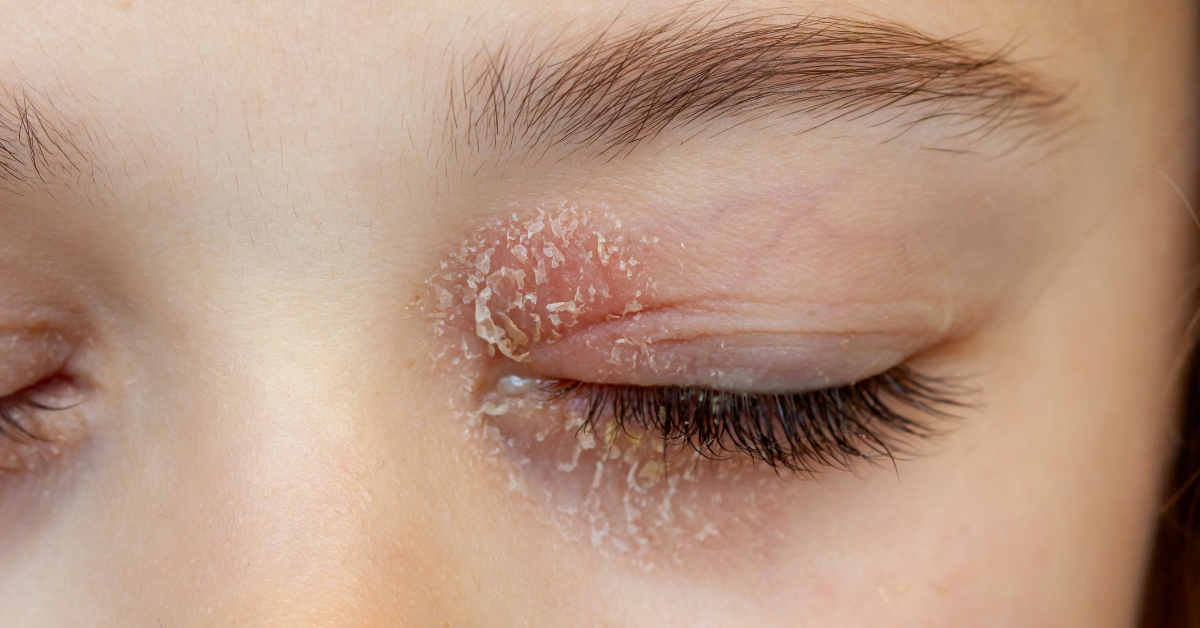
Eczema: The Itchy, Inflammatory Condition
Eczema, or atopic dermatitis, is another common skin issue, but unlike KP, it’s inflammatory and often linked to the immune system. It causes dry, red, itchy patches that may flare up and calm down throughout a person’s life.
Why does it happen?
Eczema occurs when the skin’s protective barrier is weaker than normal. This allows moisture to escape and irritants or allergens to enter, leading to inflammation. It’s often connected to other conditions like asthma or hay fever.
Why does it happen?
- Eczema occurs when the skin’s protective barrier is weaker than normal. This allows moisture to escape and irritants or allergens to enter, leading to inflammation. It’s often connected to other conditions like asthma or hay fever.
Common triggers:
- Harsh soaps and detergents.
- Stress and lack of sleep.
- Environmental factors (cold weather, dry air, humidity changes).
- Food sensitivities (sometimes dairy, gluten, or eggs).
Symptoms:
- Itchy, dry patches of skin.
- Redness or swelling.
- Thickened or cracked skin with repeated flare-ups.
How to manage it
- Daily moisturizers—preferably fragrance-free.
- Barrier creams to lock in hydration.
- Avoid triggers where possible (switch to mild cleansers, wear soft fabrics).
- Medical treatments: corticosteroid creams, antihistamines, or in severe cases, biologic therapies prescribed by a dermatologist.
Curious about deeper triggers and treatments?
Explore the full guide: Eczema Explained: Triggers, Symptoms & Treatments.
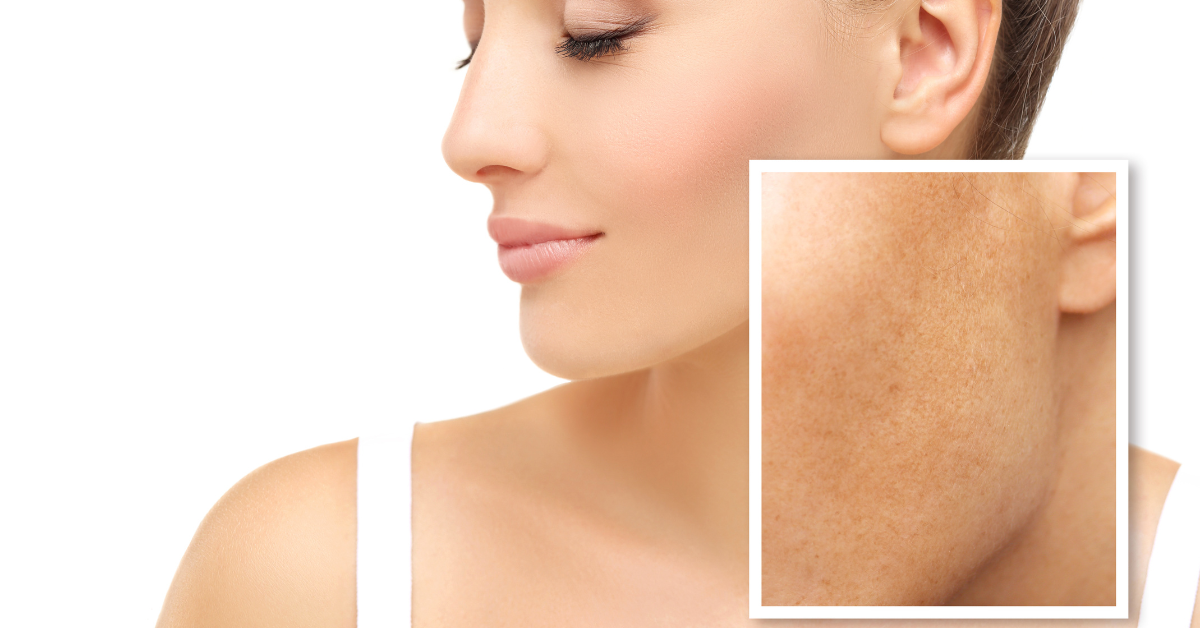
Hyperpigmentation: Uneven Skin Tone
Unlike KP and eczema, hyperpigmentation isn’t about texture or inflammation—it’s about skin color. This condition happens when patches of skin become darker than the surrounding area due to excess melanin (the pigment that gives skin its color).
Why does it happen?
- Sun exposure: the #1 cause of dark spots.
- Post-inflammatory hyperpigmentation (PIH): after acne or skin injury heals, it may leave behind darker marks.
- Hormonal changes: melasma during pregnancy or from birth control.
- Aging: liver spots or age spots that appear later in life.
Symptoms:
- Dark patches or spots, ranging from light brown to deep black.
- Usually harmless, but can cause cosmetic concerns.
How to manage it:
- Sun protection is critical. Daily sunscreen prevents spots from worsening.
- Topical ingredients like vitamin C, niacinamide, kojic acid, or retinoids.
- Professional treatments: chemical peels, laser therapy, or microdermabrasion (done by dermatologists).
Want to learn which treatments work best and which myths to ignore? Dive into our full article: Hyperpigmentation Explained: Causes & Types.
Conclusion: Different Conditions, Common Ground
Keratosis pilaris, eczema, and hyperpigmentation might look different, but they share a few things in common:
- They’re all extremely common.
- They can affect confidence but are manageable with the right care.
- They each require a personalized skincare routine—what works for one person may not work for another.
The good news? None of them mean your skin is unhealthy—they’re just signs your skin needs a bit more tailored attention.
If you’re ready to dive deeper:
- Read the full guide on Keratosis Pilaris Explained.
- Learn more in Eczema Explained.
- Explore solutions in Hyperpigmentation Explained.
And don’t forget—healthy skin is a journey. Stay consistent, protect your skin from triggers, and celebrate progress along the way.
FAQ: Your Skin Questions, Answered
Q: How often should I exfoliate my skin?
A: Most skin types do well with exfoliation 1–2 times per week. Over-exfoliation can weaken your barrier and disrupt your microbiome, leading to sensitivity and dryness. Always listen to your skin’s signals.
Q: Do I really need sunscreen every day?
A: Yes! UV rays penetrate clouds and windows, so your skin is exposed daily. Sunscreen is the most powerful anti-aging and skin-protective step you can take.
Q: Can diet really affect my skin?
A: Absolutely. Antioxidant-rich foods (like berries and leafy greens) help protect against free radical damage, while omega-3 fatty acids support hydration and barrier strength. Hydration and balanced nutrition show up on your skin.