Eczema vs. Psoriasis: Key Differences

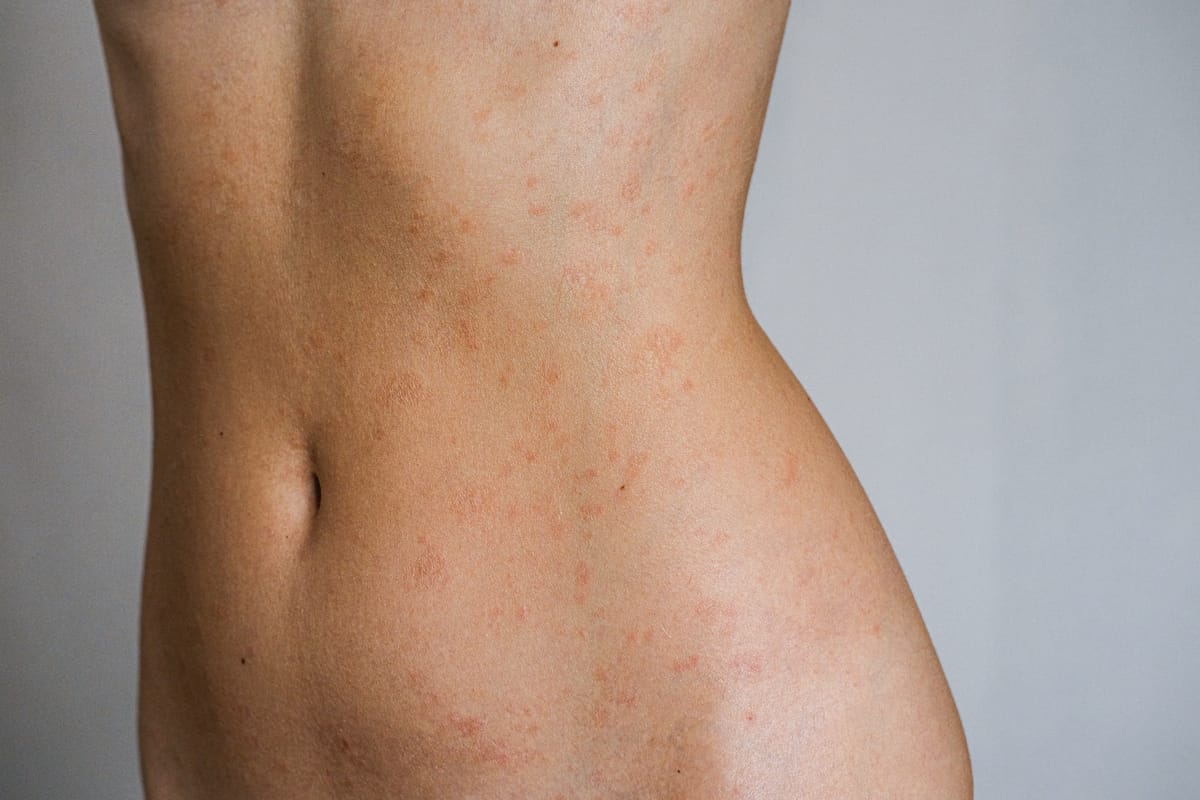
Dry, red, itchy patches can look and feel similar, which is why eczema and psoriasis are often confused. Both are chronic inflammatory skin conditions that can affect confidence and comfort — but beneath the surface, they behave quite differently.
Understanding those differences can help you care for your skin more effectively and know when to check in with a dermatologist for clarity.
For a deeper look at eczema itself, see Eczema Explained: Triggers, Symptoms & Treatments.
Understanding Eczema
Eczema, or atopic dermatitis, is a condition where the skin’s barrier doesn’t hold moisture well. When that barrier weakens, irritants, allergens, and bacteria can enter more easily, leading to inflammation and intense itch.
The result is skin that feels dry, rough, and reactive. Eczema often flares in cycles — patches become red and itchy, sometimes oozing or crusting before healing over.
It usually appears on the inner elbows, backs of knees, neck, hands, and face, and it’s known for one main symptom above all: itching. Many people say the itch comes before the rash
The Core Difference: Barrier vs. Cell Turnover
Eczema is mainly about a weak skin barrier that lets irritants in and moisture out. Psoriasis, by contrast, is about cell buildup caused by an overactive immune response.
- In eczema, the skin can’t protect itself properly.
- In psoriasis, the skin renews itself too quickly.
Both involve inflammation, but through different biological pathways — which is why their treatments differ.
How They Look and Feel
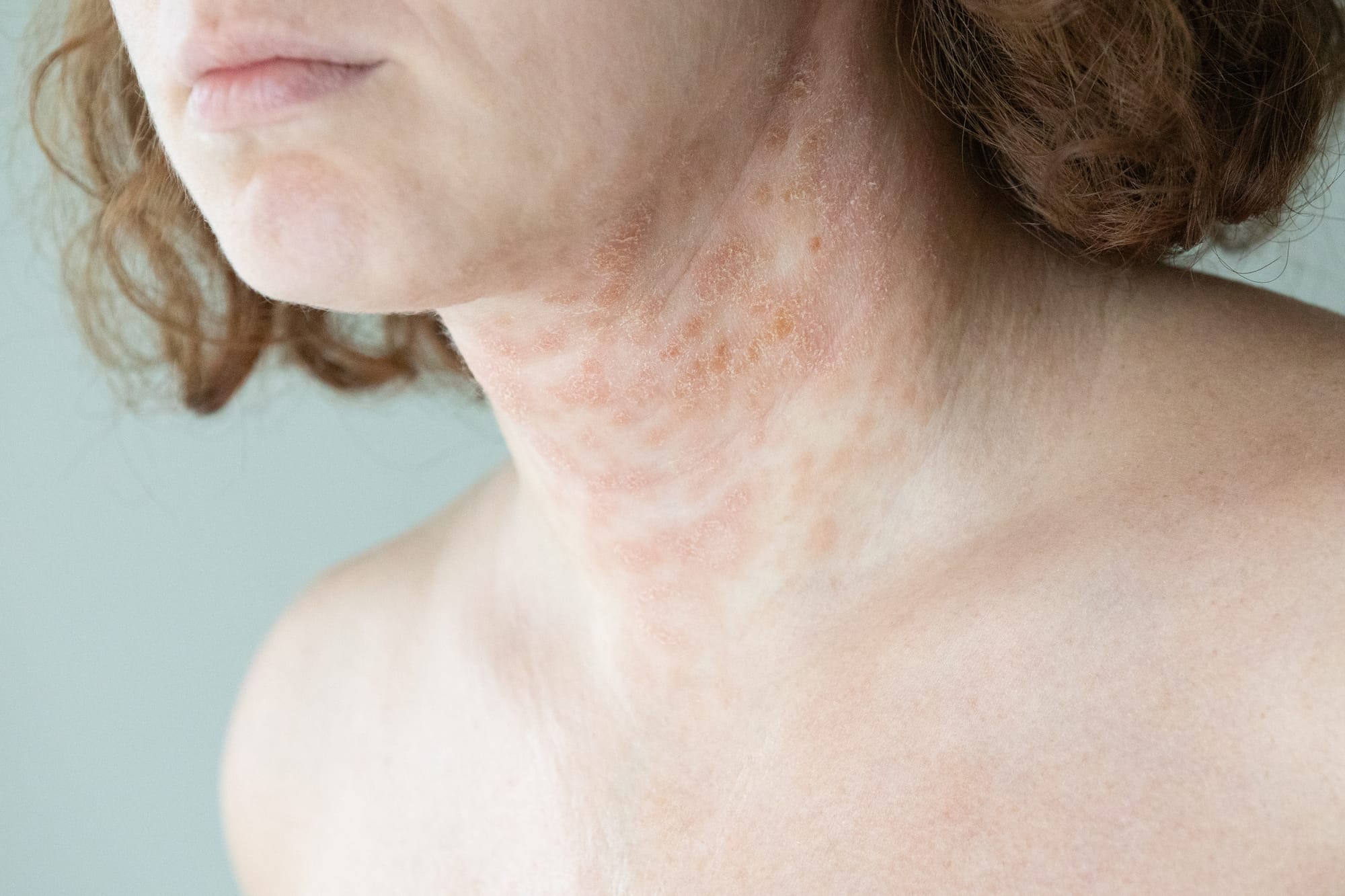
Eczema tends to appear as dry, red, or rough patches that may ooze or crust, especially after scratching. The borders are often soft or uneven. On deeper skin tones, eczema can look grayish, brown, or purplish rather than bright red.
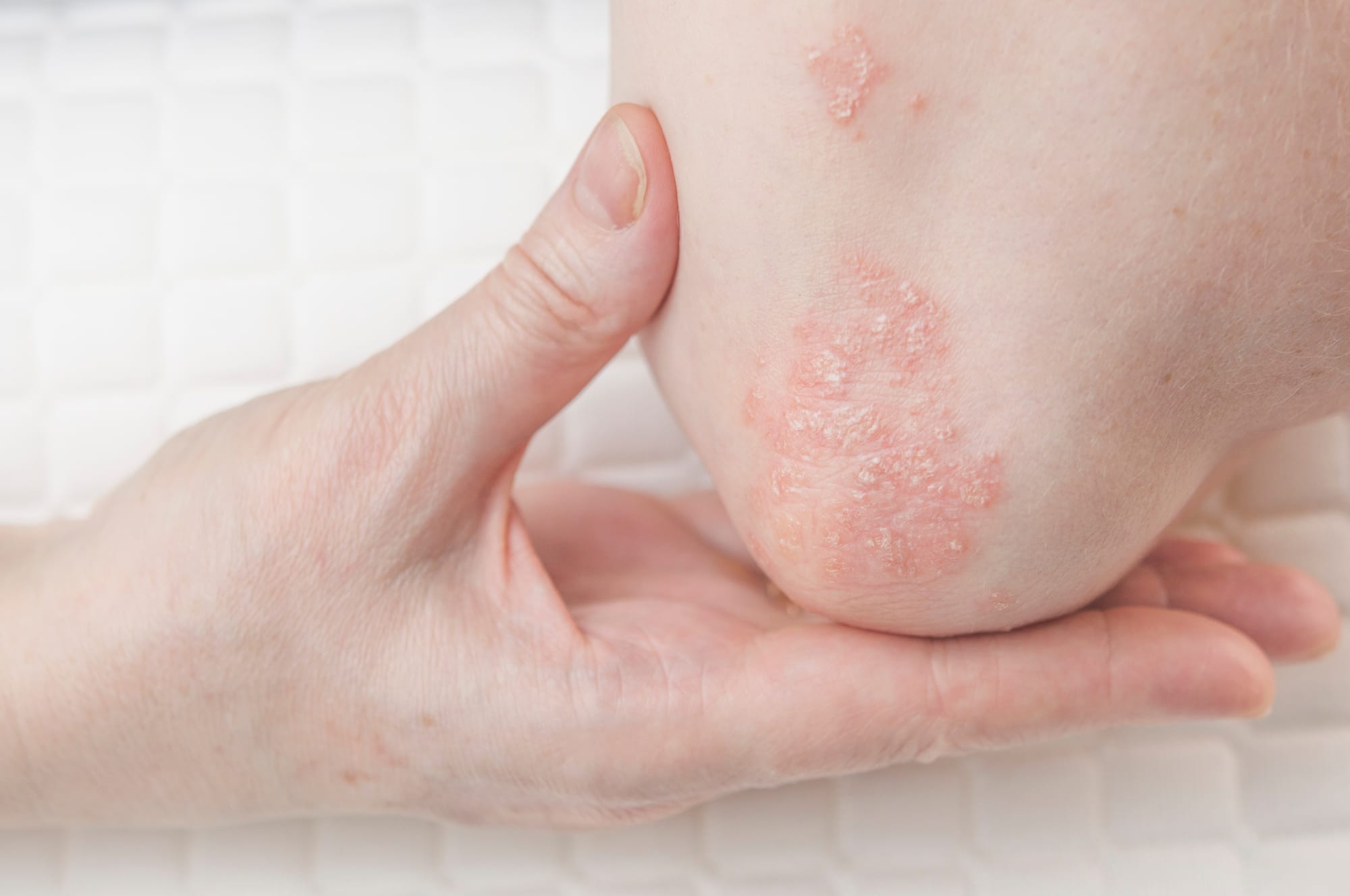
Psoriasis, on the other hand, creates thicker plaques with sharply defined edges and silvery scales that can flake off. When those scales are removed, they sometimes leave pinpoint spots of bleeding. On deeper skin, plaques may appear more violet or darker red.
The key distinction is texture: eczema feels dry and itchy, while psoriasis feels thicker and more scaly.
Triggers and Flare Patterns
Both conditions can flare unexpectedly, but the triggers differ.
Eczema often worsens with:
- Dry, cold weather
- Harsh soaps or fragrances
- Stress or lack of sleep
- Allergens such as dust, pollen, or pet dander
- Fabrics that cause friction (like wool)
Psoriasis tends to flare from:
- Infections such as strep throat
- Stress or illness
- Skin injuries (cuts, tattoos, sunburn — known as the Koebner effect)
- Certain medications (like beta blockers or lithium)
- Alcohol use
Stress can influence both, but psoriasis is more tied to immune or physical triggers, while eczema reacts to dryness and irritants.
Treatment Approaches
Even though eczema and psoriasis look similar, their care routines differ because their causes do.
Eczema care focuses on repairing and protecting the skin barrier:
- Daily moisturizing with thick, fragrance-free creams or ointments
- Gentle cleansing with mild, non-foaming washes
- Avoiding known irritants and allergens
- Managing stress and maintaining consistent hydration
Psoriasis care focuses on slowing cell buildup and easing inflammation:
- Medicated creams (often containing vitamin D analogs or corticosteroids)
- Light therapy under dermatologist supervision
- Systemic medications for moderate to severe cases
- Supportive moisturizers to soften plaques and reduce flaking
Both conditions benefit from barrier repair, but psoriasis often needs targeted medical treatment to regulate cell turnover.
When to See a Dermatologist
You should consider a professional evaluation if:
- Patches are spreading or not responding to gentle care
- The skin is cracking, bleeding, or painful
- You notice thick, silvery scales or nail changes
- You’re unsure whether it’s eczema, psoriasis, or something else
A dermatologist can assess your symptoms and confirm what’s happening. In some cases, they may perform a skin biopsy to distinguish between the two.
Caring for Sensitive Skin in Either Case
No matter which condition you’re managing, the following habits help keep inflammation down:
- Moisturize twice daily, especially after bathing.
- Use fragrance-free, dye-free products.
- Keep showers short and lukewarm.
- Choose soft, breathable fabrics.
- Practice stress relief — even small things like walks or deep breathing help.
Healthy routines matter just as much as medicated treatments. Your skin thrives on consistency and gentleness.
The Bottom Line
Eczema and psoriasis share visible similarities, but they’re distinct at the root.
Eczema happens when the skin barrier weakens and becomes overly reactive. Psoriasis occurs when the immune system speeds up cell production, creating thick, scaly patches.
Both can be managed effectively with the right approach — moisturizing, identifying triggers, and working with a dermatologist when needed.
To learn more about how eczema develops and how to support your skin barrier, visit Eczema Explained: Triggers, Symptoms & Treatments.
References:
- American Academy of Dermatology – Eczema Overview
- American Academy of Dermatology – Psoriasis Overview
- National Eczema Association – Eczema vs. Psoriasis
- National Psoriasis Foundation – About Psoriasis
Frequently Asked Questions (FAQs)
How can I tell if I have eczema or psoriasis?
Eczema usually feels itchy, dry, and inflamed, with soft or uneven borders. Psoriasis forms thicker plaques with silvery scales and more defined edges. Eczema often appears on inner elbows or behind knees, while psoriasis favors elbows, knees, scalp, and lower back.
When in doubt, a dermatologist can confirm it — sometimes through a quick exam or skin biopsy.
Can you have both eczema and psoriasis at the same time?
Yes, though it’s uncommon. Some people experience “eczema-psoriasis overlap”, where symptoms of both appear together. Because their treatments differ, a dermatologist’s evaluation is essential to find the right balance between soothing the barrier and slowing cell buildup
Do the same treatments work for both?
Not exactly.
- Eczema care focuses on moisturizing and barrier repair (creams, gentle cleansers, trigger control).
- Psoriasis often needs medical treatments like vitamin D creams, light therapy, or immune-regulating medications.
Both benefit from fragrance-free skincare, but psoriasis typically requires more targeted therapy.
Can stress make both conditions worse?
Absolutely. Stress triggers immune and hormonal responses that can worsen inflammation in both eczema and psoriasis. Managing stress through sleep, exercise, or relaxation techniques often helps calm flares and improve skin recovery.