Exfoliants Explained: AHAs, BHAs, PHAs

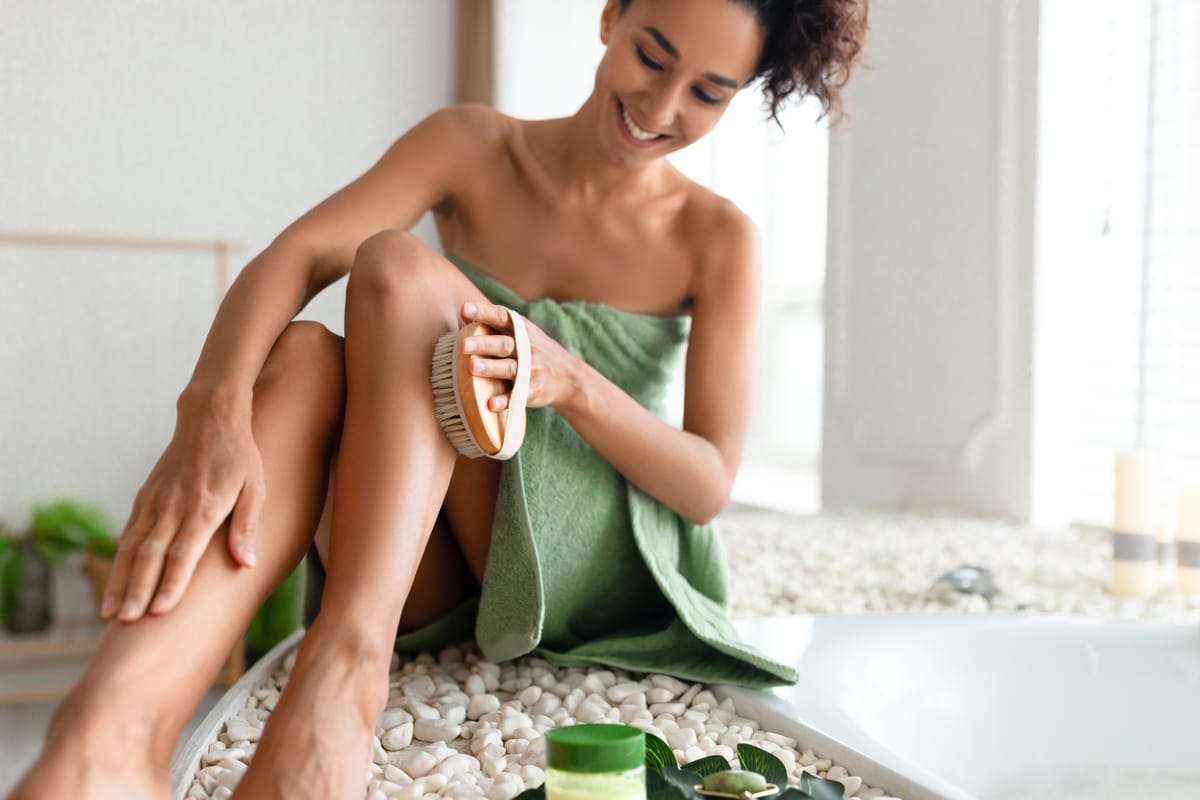
If your skin ever looks dull, rough, or uneven, exfoliation might be the missing step in your routine. Exfoliants remove dead skin cells, unclog pores, and make room for new, healthier cells to shine through. But with so many options—AHAs, BHAs, PHAs—it can get confusing.
This guide explains the differences between chemical exfoliants, how to use them safely, and how they work alongside other skincare staples like Moisturizers: What Works & Why and Retinoids: Benefits & Side Effects.
What Is Exfoliation?
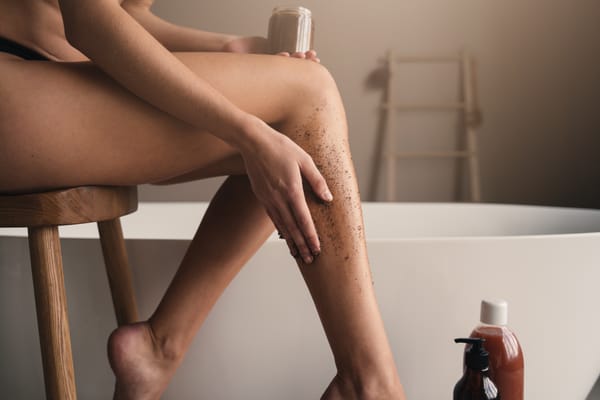
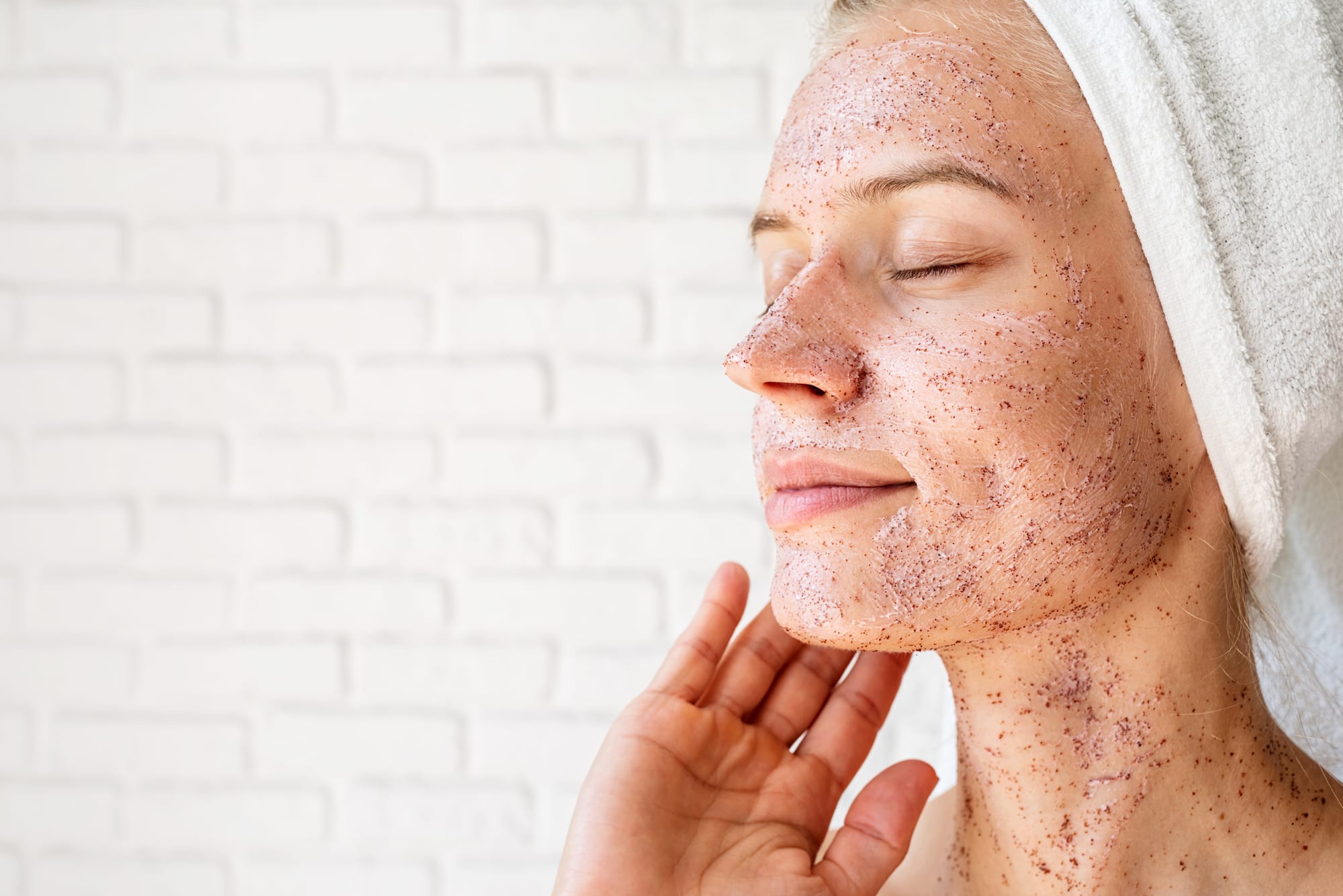
Exfoliation is the process of removing dead skin cells from the surface. Without it, those cells can build up, making your skin look rough, flaky, or congested. There are two main methods:
- Physical exfoliation → scrubs, brushes, or cloths.
- Chemical exfoliation → acids that dissolve dead skin cells.
Chemical exfoliants (AHAs, BHAs, PHAs) are gentler and more effective for long-term results.
AHAs (Alpha Hydroxy Acids)
AHAs are water-soluble acids derived from fruits and milk. They work on the surface of the skin, making them best for dryness, dullness, and uneven tone.
Popular AHAs:
- Glycolic acid → small molecule, penetrates deeply, brightens.
- Lactic acid → gentler, hydrates while exfoliating.
- Mandelic acid → larger molecule, great for sensitive skin.
Benefits:
- Smooth fine lines and wrinkles.
- Fade dark spots and pigmentation.
- Improve overall glow.
Best for: Dry, normal, and sun-damaged skin.
BHAs (Beta Hydroxy Acids)
BHAs are oil-soluble acids, meaning they penetrate pores to clear oil and debris.
Main BHA:
Salicylic acid → anti-inflammatory, unclogs pores, reduces acne.
Benefits:
- Reduces blackheads and whiteheads.
- Helps control oil production.
- Calms redness and inflammation.
Best for: Oily, acne-prone, or combination skin
PHAs (Polyhydroxy Acids)
PHAs are the gentlest group of chemical exfoliants. Their larger molecules prevent them from penetrating deeply, so they work on the surface only.
Examples:
- Gluconolactone
- Lactobionic acid
Benefits:
- Exfoliate without irritation.
- Hydrate the skin (act as humectants).
- Provide antioxidant benefits.
Best for: Sensitive skin, eczema, or rosacea-prone skin.
How to Use Exfoliants
1–2 times per week.
then follow with toner/serum/moisturizer.
exfoliation increases sun sensitivity.
to prevent dryness and maintain barrier. See: Moisturizers Hub.
Exfoliants & Retinoids: Can You Combine Them?
Both exfoliants and retinoids speed up cell turnover, which is why combining them can sometimes cause irritation.
Tips:
- Alternate nights → exfoliants one night, retinoids the next.
- Patch test new products before full use.
- Pair both with moisturizer to buffer irritation.
Learn more about retinoid safety and usage in Retinoids: Benefits & Side Effects.
Common Mistakes with Exfoliants
- Over-exfoliating → leads to redness, peeling, or sensitivity.
- Mixing too many actives → like AHA + BHA + retinoids all in one night.
- Skipping SPF → freshly exfoliated skin is extra vulnerable to sun damage.
Choosing the Right Exfoliant for You
- Dry skin → AHAs (glycolic or lactic acid).
- Oily/acne-prone → BHAs (salicylic acid).
- Sensitive → PHAs.
- Combination → Rotate AHAs and BHAs depending on skin needs.
Lifestyle Factors That Boost Exfoliation Results
Exfoliants aren’t a cure-all—they work best when combined with healthy habits:
- Eat antioxidant-rich foods (berries, leafy greens).
- Stay hydrated.
- Get adequate sleep for overnight cell repair.
- Manage stress to reduce inflammation.
Conclusion
Exfoliation is one of the fastest ways to refresh your skin, but only if done correctly. AHAs brighten, BHAs clear pores, and PHAs gently smooth sensitive skin. Used wisely, they transform dull or congested skin into a radiant complexion.
To get the most out of your exfoliants:
- Always follow with a hydrating Moisturizer to protect your barrier.
- Learn how to alternate with Retinoids for powerful anti-aging and acne-fighting results.
With the right balance, exfoliation can become your skin’s best friend—not its enemy.
FAQ: Your Skin Questions, Answered
Q: How often should I exfoliate my skin?
A: Most skin types do well with exfoliation 1–2 times per week. Over-exfoliation can weaken your barrier and disrupt your microbiome, leading to sensitivity and dryness. Always listen to your skin’s signals.
Q: Do I really need sunscreen every day?
A: Yes! UV rays penetrate clouds and windows, so your skin is exposed daily. Sunscreen is the most powerful anti-aging and skin-protective step you can take.
Q: Can diet really affect my skin?
A: Absolutely. Antioxidant-rich foods (like berries and leafy greens) help protect against free radical damage, while omega-3 fatty acids support hydration and barrier strength. Hydration and balanced nutrition show up on your skin.