Exfoliation for KP: How to Smooth Bumps Without Hurting Your Skin

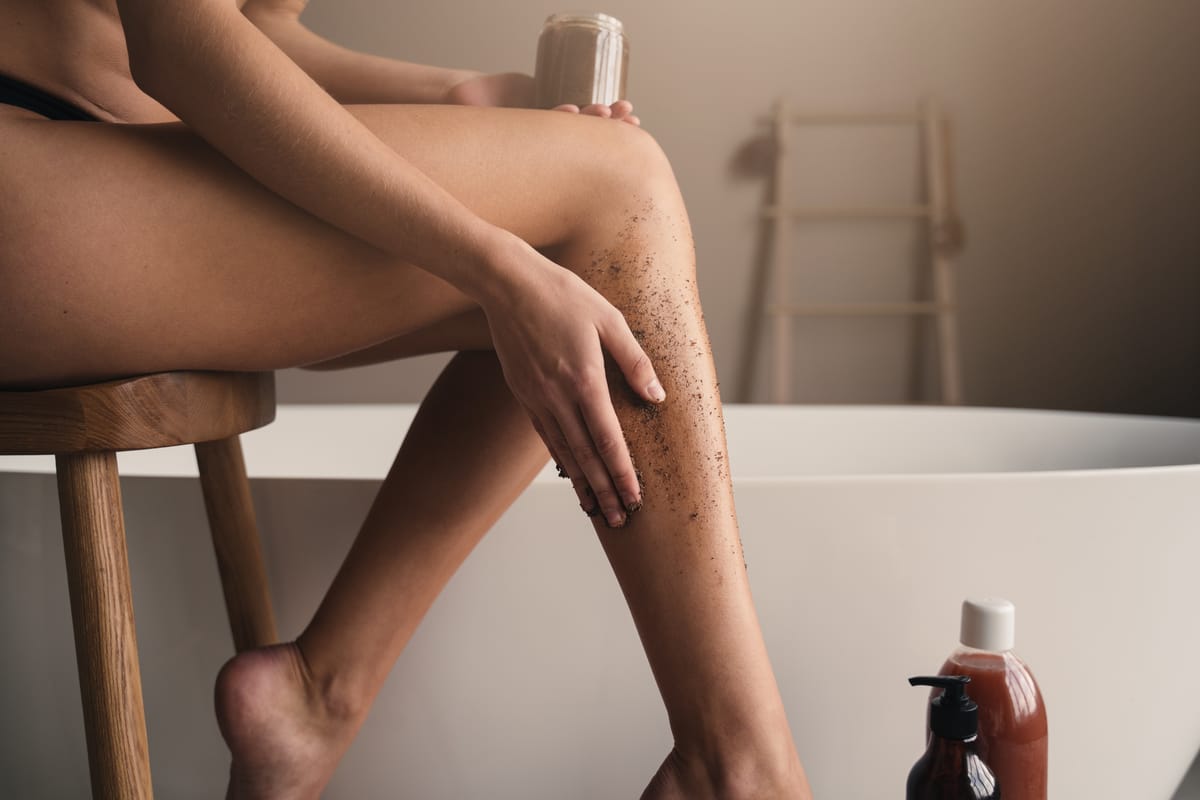
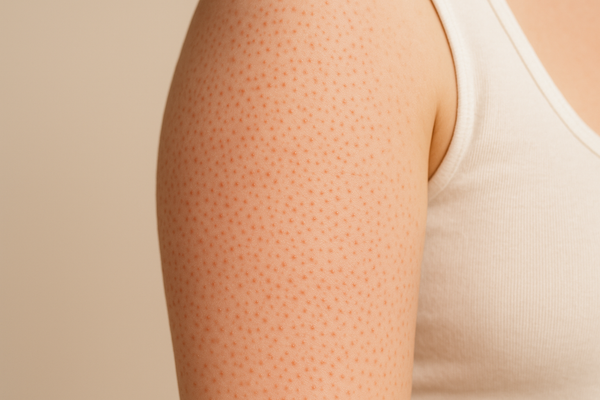
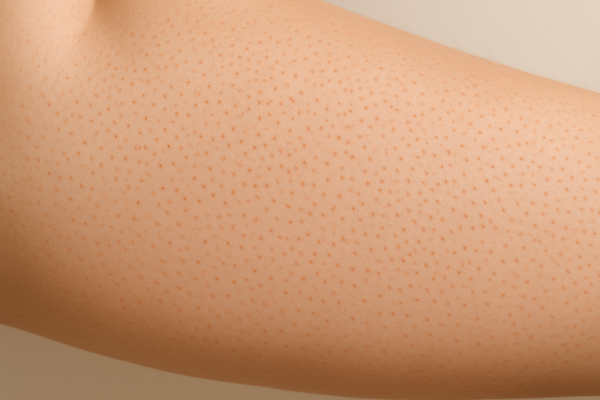
If you’ve ever tried to scrub away the tiny bumps on your arms or thighs, you’ve probably learned the hard way: keratosis pilaris (KP) doesn’t respond to force. The more you rub, the redder and rougher it looks.
That’s because KP isn’t about dirt or dead skin sitting on top — it’s about tiny keratin plugs inside your hair follicles.
To smooth those bumps, you need a different kind of exfoliation — one that helps your skin renew itself gently, not aggressively.
Let’s walk through exactly how to do that.
If you’re new to KP, you might want to start with KP Explained — it covers what causes these bumps in the first place.
Why Exfoliation Matters for KP
Keratosis pilaris happens when keratin (a protective skin protein) builds up and clogs your hair follicles.
Those clogs make the skin feel rough and uneven, especially on dry areas like the upper arms, thighs, or cheeks.
Exfoliation helps by:
- Loosening keratin buildup so the bumps flatten out gradually.
- Encouraging cell turnover, which keeps new plugs from forming.
- Smoothing texture for a softer, more even feel.
But here’s the key: the right exfoliation will nourish the skin barrier, not strip it. KP skin is already sensitive — harsh scrubbing only makes it more inflamed.
Types of Exfoliation
There are two main ways to exfoliate: physical and chemical.
For KP, chemical exfoliation almost always wins — here’s why.
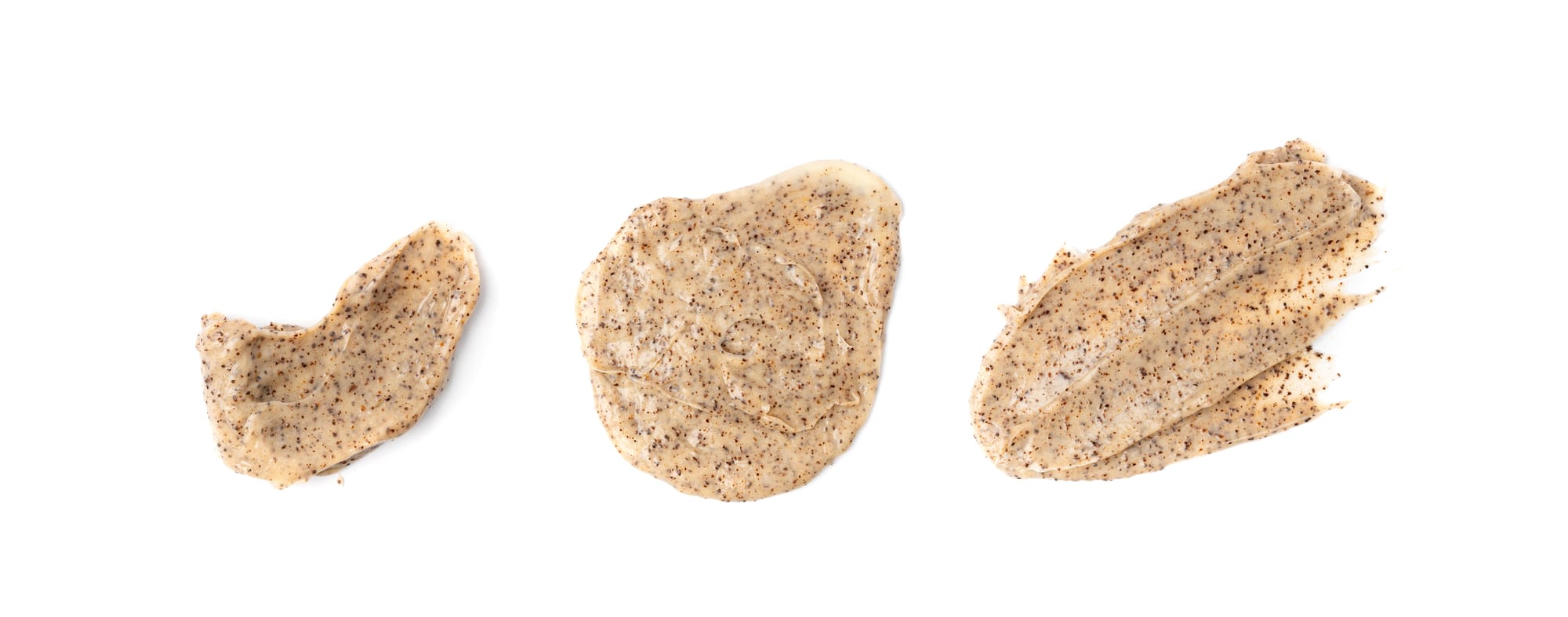
Physical Exfoliation
This means scrubs, brushes, or loofahs. While they can remove surface flakes, they’re often too rough for KP.
Over time, they can cause redness, micro-tears, and even more plugging from irritation.
If you love the feeling of a scrub, use the gentlest possible version: something with very fine particles, soft pressure, and only once a week at most.
Chemical Exfoliation
This type uses gentle acids or enzymes that dissolve buildup instead of scraping it away.
They work below the surface to loosen keratin and soften skin.
These are the main ones to look for:
- Lactic acid (AHA): The most hydrating of the exfoliants — ideal for dry or sensitive KP.
- Urea: Softens the plugs while deeply moisturizing.
- Salicylic acid (BHA): Great for oily or acne-prone areas, but use sparingly.
These ingredients do more with less effort — they smooth texture while keeping skin calm.
How to Exfoliate KP Gently
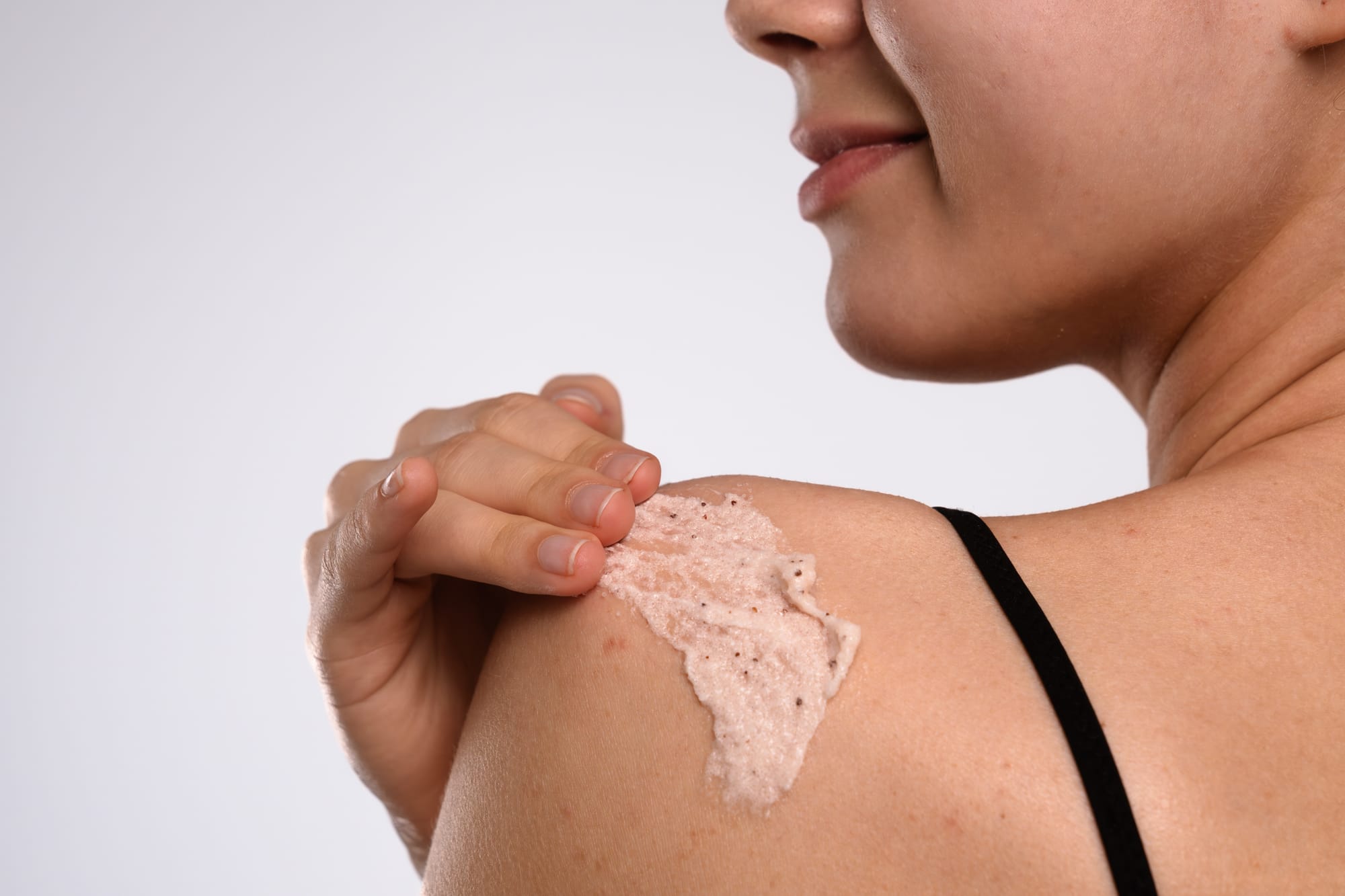
Think of exfoliation for KP as a slow, kind process — not an attack.
Here’s a simple, barrier-friendly rhythm:
- Exfoliate two or three times a week.More than that usually causes dryness and irritation.
- Use it on clean, damp skin.The moisture helps acids and urea spread evenly and prevents stinging.
- Follow with a thick, fragrance-free moisturizer.Exfoliation opens the door — moisturizer keeps it from drying out afterward.
- Be patient.KP takes time to respond. You’ll notice gradual smoothing after about four to six weeks, not overnight.
What to Avoid
Certain habits can completely undo the benefits of exfoliation for KP.
- Don’t dry scrub. Always exfoliate on clean, damp skin — never rub a loofah or mitt over dry arms.
- Don’t stack acids. If your lotion already contains lactic acid, skip an additional peel that day.
- Avoid fragrance and alcohol. Both can sting and inflame sensitive skin.
- Skip harsh body brushes or sugar scrubs. They cause more redness than results.
Your skin should feel comfortable after exfoliating — not hot, tingly, or tight.
Choosing the Right Exfoliant for You
Your perfect match depends on how your KP behaves:
If your bumps are dry and rough:
Go for lactic acid or urea. They’ll hydrate and smooth at the same time.
If your bumps look red or inflamed:
Try lactic acid first — it’s the most barrier-friendly. Skip strong acids until redness calms.
If your KP feels oily or acne-like:
Use a salicylic acid body wash once or twice a week. Always follow with moisturizer afterward.
If your skin is very sensitive:
Start with a urea-based cream that lightly exfoliates without any acids at all.
Consistency matters far more than strength — small, steady use beats powerful products every time.
Pairing Exfoliation With Moisturizer
Exfoliation alone won’t smooth KP — it only clears the path. The real transformation happens when you seal it in with moisture.
After exfoliating, apply a rich, fragrance-free cream with ceramides, shea butter, or colloidal oatmeal.
This step replaces the lipids your skin naturally loses and helps prevent irritation.
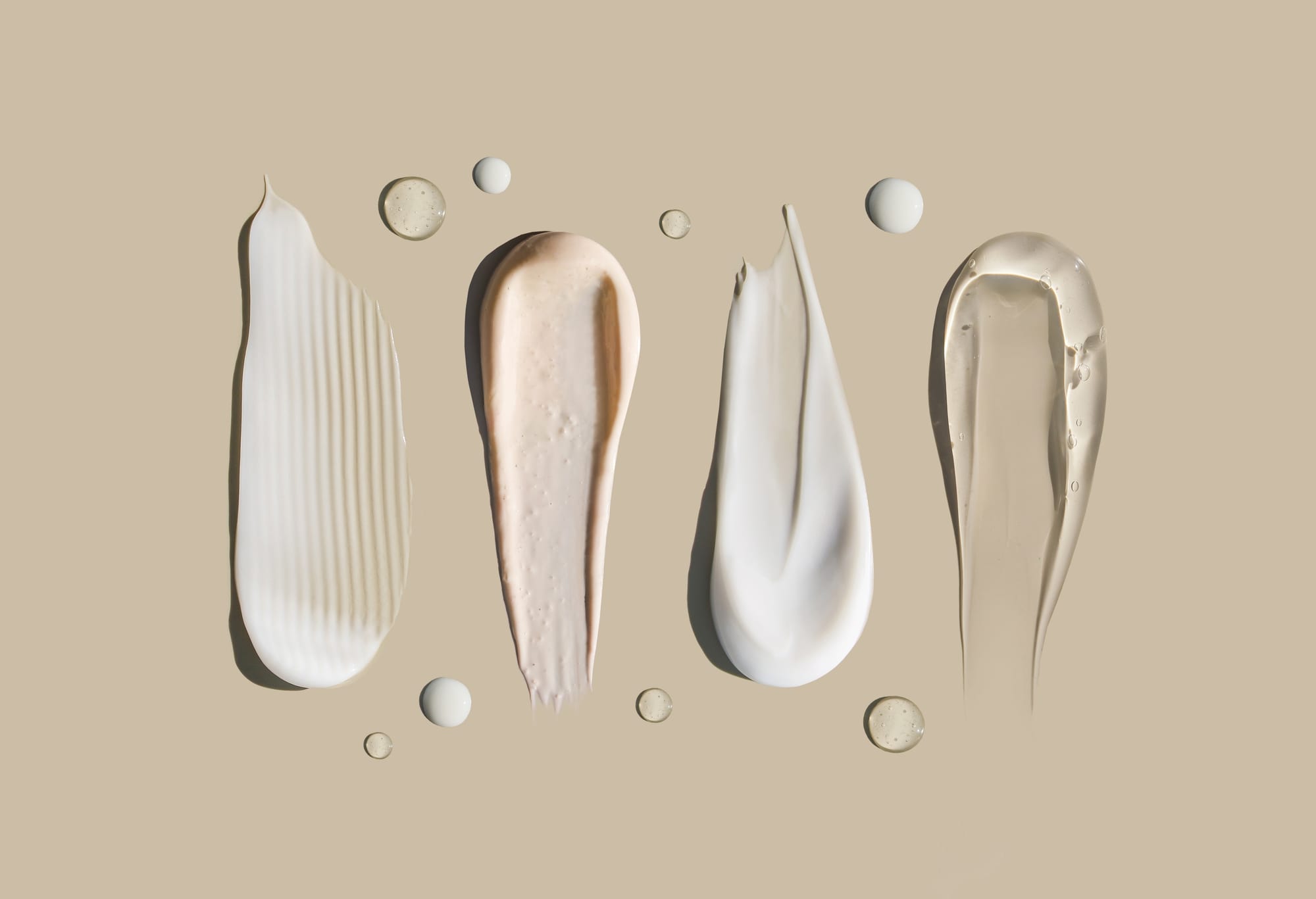
My personal favorite type of post-exfoliation moisturizer is one that feels rich but sinks in fast, built around ceramides and colloidal oatmeal. It leaves the skin calm and smooth without any greasy layer.
You can find a deeper breakdown of moisturizer types and layering tips in Best Moisturizers for KP.
How Often Should You Exfoliate KP?
Start with two nights a week.
If your skin feels comfortable and hydrated, you can increase to three.
You’ll know it’s too much if:
- Your skin feels itchy or stings after applying moisturizer.
- The bumps turn redder instead of smoother.
- You start seeing dry, flaky patches.
If that happens, take a few days off and focus on moisturizers only until the skin feels calm again.
Exfoliation is meant to support your barrier, not fight it.
Seasonal Adjustments
Your KP may behave differently depending on the season.
In winter, skin tends to be drier, so it’s best to focus on hydration over exfoliation.
In summer, sweat and sunscreen buildup can make gentle acids more helpful.
Adjust your routine instead of forcing the same intensity year-round.
When to See a Dermatologist
You might want professional advice if:
- Your KP is spreading rapidly or turning painful.
- You’re noticing swelling, oozing, or crusting (possible infection).
- Your at-home exfoliants aren’t improving texture after a few months.
Dermatologists can confirm it’s KP and rule out look-alike conditions like eczema or folliculitis.
They may also suggest mild retinoids or professional exfoliation treatments if you’re ready for stronger options.
The Bottom Line
Exfoliation for KP should never feel like a battle.
It’s about giving your skin a little help letting go — not forcing it to change overnight.
Start slow, stay gentle, and always follow with a comforting, rich moisturizer.
With time, the bumps soften, the redness calms, and your skin feels smoother and more confident.
KP doesn’t need perfect skin — it just needs patience, care, and consistency.
For more guidance, explore:
- KP Explained – what’s really causing the bumps
- Best Moisturizers for KP – how to seal in hydration after exfoliating
FAQ: Exfoliating Keratosis Pilaris (KP) Safely
Q: How often should I exfoliate if I have KP?
A: Start with two times per week, increasing to three if your skin feels comfortable and hydrated. Over-exfoliating can cause redness, flaking, or irritation — so always prioritize moisture over frequency.
Q: What’s better for KP — scrubs or acids?
A: Gentle acids (like lactic acid, urea, or low-strength salicylic acid) are far safer and more effective than scrubs. Physical exfoliants can scratch and inflame KP-prone skin, while chemical exfoliants dissolve buildup without damaging the barrier.
Q: Can I use exfoliating and moisturizing products on the same day?
A: Yes — in fact, you should. Exfoliation clears the way; moisturizer locks hydration back in. Always apply a rich, fragrance-free cream immediately after exfoliating to prevent dryness and irritation.
Q: How long does it take to see results from exfoliating KP?
A: With consistent care, you’ll usually notice smoother texture in 4–6 weeks. KP responds slowly but steadily to gentle exfoliation and daily moisturization. The key is patience — not stronger products.