FAQ: Can Diet Affect Eczema?

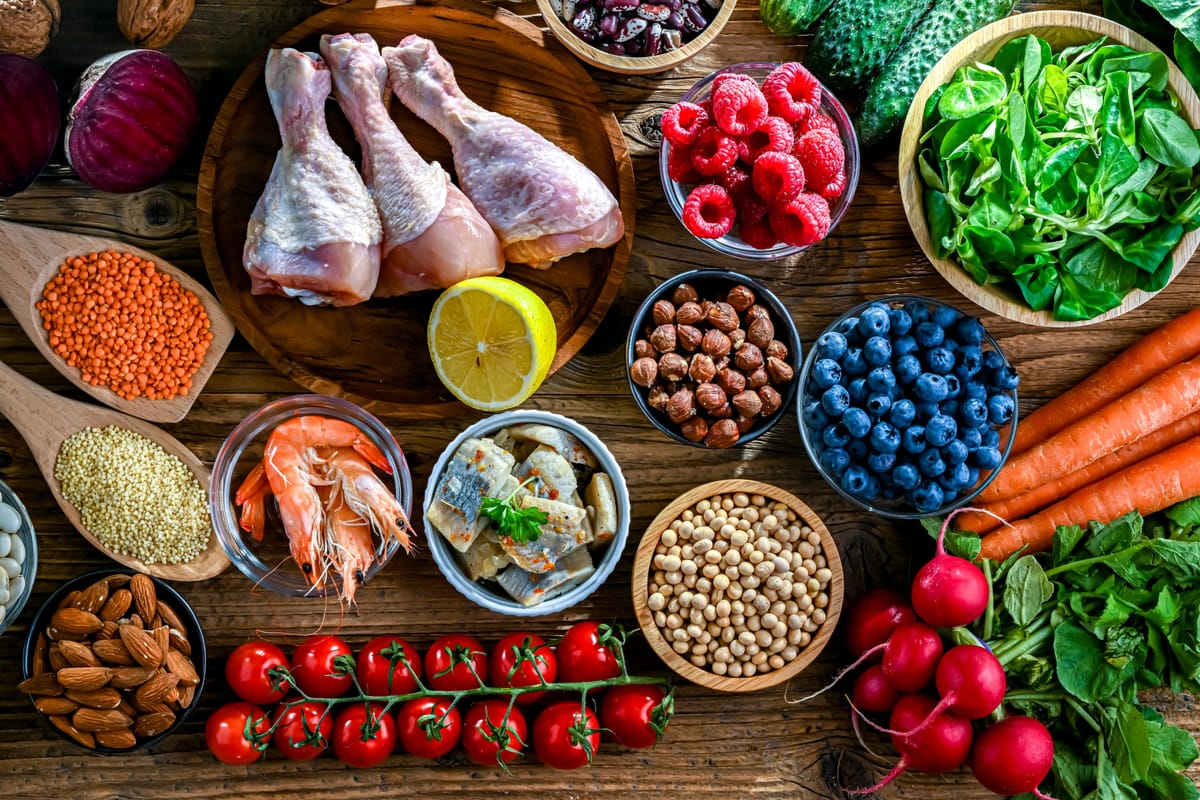
If you’ve ever wondered whether that bowl of ice cream or slice of pizza made your eczema flare up, you’re not alone. Many people notice their skin feels different after certain meals — but it’s rarely as simple as one food “causing” a breakout.
Eczema, or atopic dermatitis, is complex. While food can sometimes influence flares, it’s usually just one part of the bigger picture involving skin barrier health and inflammation. Here’s what research actually says — and how to explore possible food links safely.
Learn more about what truly drives eczema flares in our guide Eczema Explained: Triggers, Symptoms & Treatments.
What We Know About Eczema and Diet
Eczema isn’t caused by a single factor. Genetics, environment, and immune responses all contribute to how sensitive your skin becomes. The skin barrier tends to lose moisture more easily, making it prone to irritation from dryness, stress, allergens — and occasionally, certain foods.
For some people, food sensitivities can add to inflammation or itch. But research shows there’s no universal “eczema diet.” What affects one person may not affect another. Rather than avoiding long lists of foods, think of diet as a supportive element for calmer skin, not the root cause.
Foods That Might Make Eczema Worse
Some people find that particular foods make their eczema symptoms flare, especially if they also have allergies. Common examples include:
- Cow’s milk and other dairy products
- Eggs
- Wheat or gluten-containing foods
- Nuts
- Seafood
- Highly processed or sugary foods
If you suspect a food trigger, it’s best to speak with a healthcare provider or dietitian before removing anything. Eliminating foods without guidance can lead to nutrient gaps and may not improve symptoms.
According to the National Eczema Association, food allergies are more common in children with eczema, but removing foods unnecessarily can sometimes make symptoms worse.
Foods That May Support Calmer Skin
Instead of focusing on restriction, try to emphasize foods that nourish and support the skin barrier:
Omega-3s:
Found in salmon, sardines, chia seeds, and flaxseed; may help reduce inflammation.
Fruits and vegetables:
Especially colorful ones rich in antioxidants, such as berries, leafy greens, and carrots.
Probiotics:
- Yogurt, kefir, and fermented foods can support gut balance, which may benefit the skin.
Hydration:
Consistent water intake keeps the skin barrier functioning well.
These dietary habits complement — not replace — your topical care routine. Nourishing your skin from the inside works best when paired with gentle, consistent moisturizing from the outside.

How to Explore Food Triggers Safely
- Keep a simple food and skin journal. Track what you eat and note any changes in itch, redness, or dryness.
- Be patient. Food-related patterns can take days or weeks to reveal themselves.
- Work with a professional. A registered dietitian can help ensure you stay balanced while exploring triggers.
- Don’t forget the basics. Even if food plays a role, moisturizing and gentle cleansing remain the foundation of eczema care.
The Bottom Line
Diet can influence eczema in some people, but it’s rarely the main cause. The most effective eczema management combines balanced nutrition, strong barrier care, and awareness of individual triggers.
If you’re curious about where food fits into the bigger eczema picture, explore our full guide Eczema Explained: Triggers, Symptoms & Treatments.
Gentle, consistent care — inside and out — is what truly helps your skin stay calm.
References:
- National Eczema Association – Diet and Eczema
- American Academy of Dermatology – Eczema Overview
Frequently Asked Questions (FAQs)
Can certain foods actually cause eczema?
No single food causes eczema — it’s mainly genetic and related to immune and barrier issues. However, some people do notice flares after eating certain foods (like dairy, eggs, or nuts). These foods don’t cause eczema, but they can trigger inflammation in those already prone to it.
Does sugar or junk food make eczema worse?
Yes, for some. Diets high in refined sugar, fried foods, and processed snacks can raise inflammation levels and make skin dryness or itchiness worse. Reducing added sugars and processed foods supports both overall health and calmer skin.
Should I avoid dairy and gluten?
Not unless you’ve confirmed a sensitivity or allergy. Many people with eczema tolerate both just fine. Eliminating foods unnecessarily can cause nutrient deficiencies — so it’s best to test one food at a time under a doctor or dietitian’s guidance.
What foods help calm eczema?
Focus on anti-inflammatory and barrier-supporting foods:
- Omega-3s (salmon, flaxseed, chia)
- Colorful fruits & vegetables (antioxidants)
- Probiotics (yogurt, kefir, fermented foods)
- Plenty of water to keep skin hydrated from within.