FAQ: Can Hyperpigmentation Go Away Naturally?

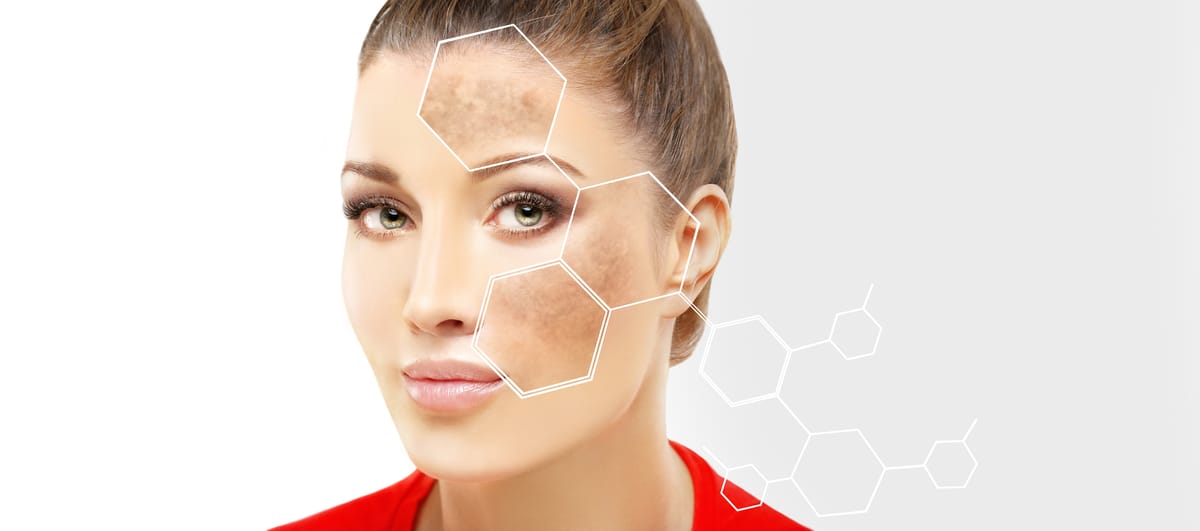
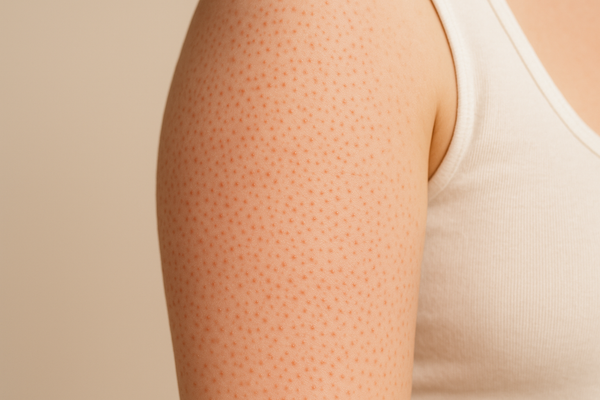
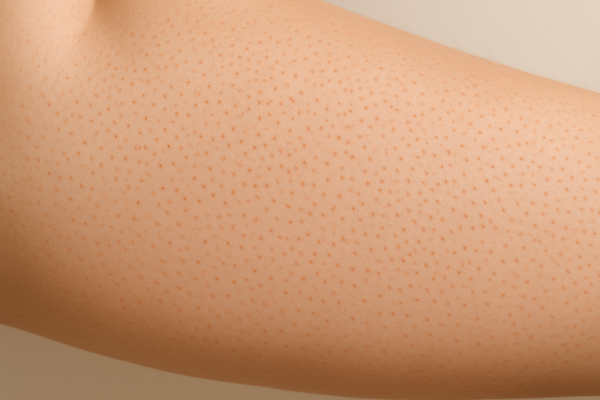
Hyperpigmentation is one of the most common skin concerns—dark patches or spots that make skin tone look uneven. Many people wonder: Do I really need treatments, or will it fade on its own?
The answer is: sometimes, yes—but not always. The type of hyperpigmentation, its cause, and your daily habits determine whether it disappears naturally or requires skincare and professional help.
For a deeper dive into the different types of pigmentation, see Hyperpigmentation Explained: Causes & Types.
When Hyperpigmentation Can Fade Naturally
Some forms of hyperpigmentation are temporary and can fade without intensive treatments.
Post-Inflammatory Hyperpigmentation (PIH)
- Caused by acne, cuts, rashes, or skin irritation.
- Often fades on its own as the skin heals.
- Timeline: anywhere from 3–12 months, depending on skin tone and severity.
Mild Sun Spots
- If you stop additional sun exposure and consistently wear sunscreen, lighter sun spots may fade gradually.
- Deeper, long-standing spots often require treatments.
Hormonal Changes
- In cases like pregnancy-related melasma, dark patches may lighten after hormones rebalance.
- However, melasma often needs long-term management and sun protection.
When Hyperpigmentation Usually Needs Help
Not all pigmentation disappears naturally. In fact, many cases require active treatment to fade significantly.
- Long-term sun damage (age spots, liver spots) rarely disappear on their own.
- Stubborn melasma typically needs ongoing care.
- Deep pigmentation in darker skin tones often takes longer and benefits from targeted products.
How to Support Natural Fading
Even if you’re not using strong treatments, you can encourage your skin to heal faster:
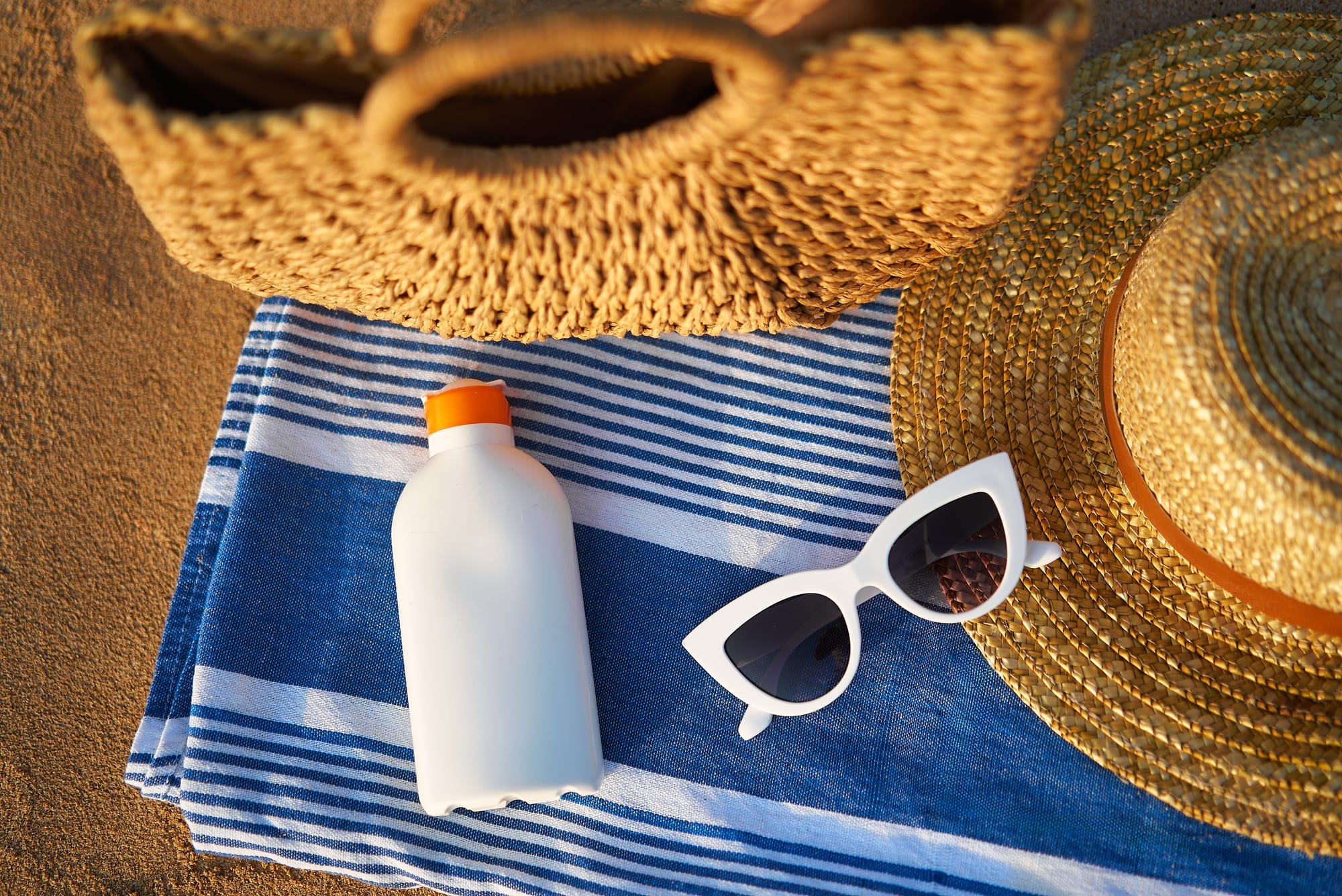
Daily Sunscreen
UV rays trigger more melanin production, making spots darker. Without SPF, even natural fading won’t last.
Healthy Skin Barrier
A well-moisturized, protected barrier helps skin recover more quickly.
Gentle Care
Avoid picking at pimples, scratching, or harsh scrubbing—these only worsen pigmentation.
Lifestyle Habits
- Balanced diet (antioxidants, omega-3s).
- Consistent sleep for overnight repair.
- Stress management (since cortisol can trigger flare-ups).
Natural Remedies: Do They Work?
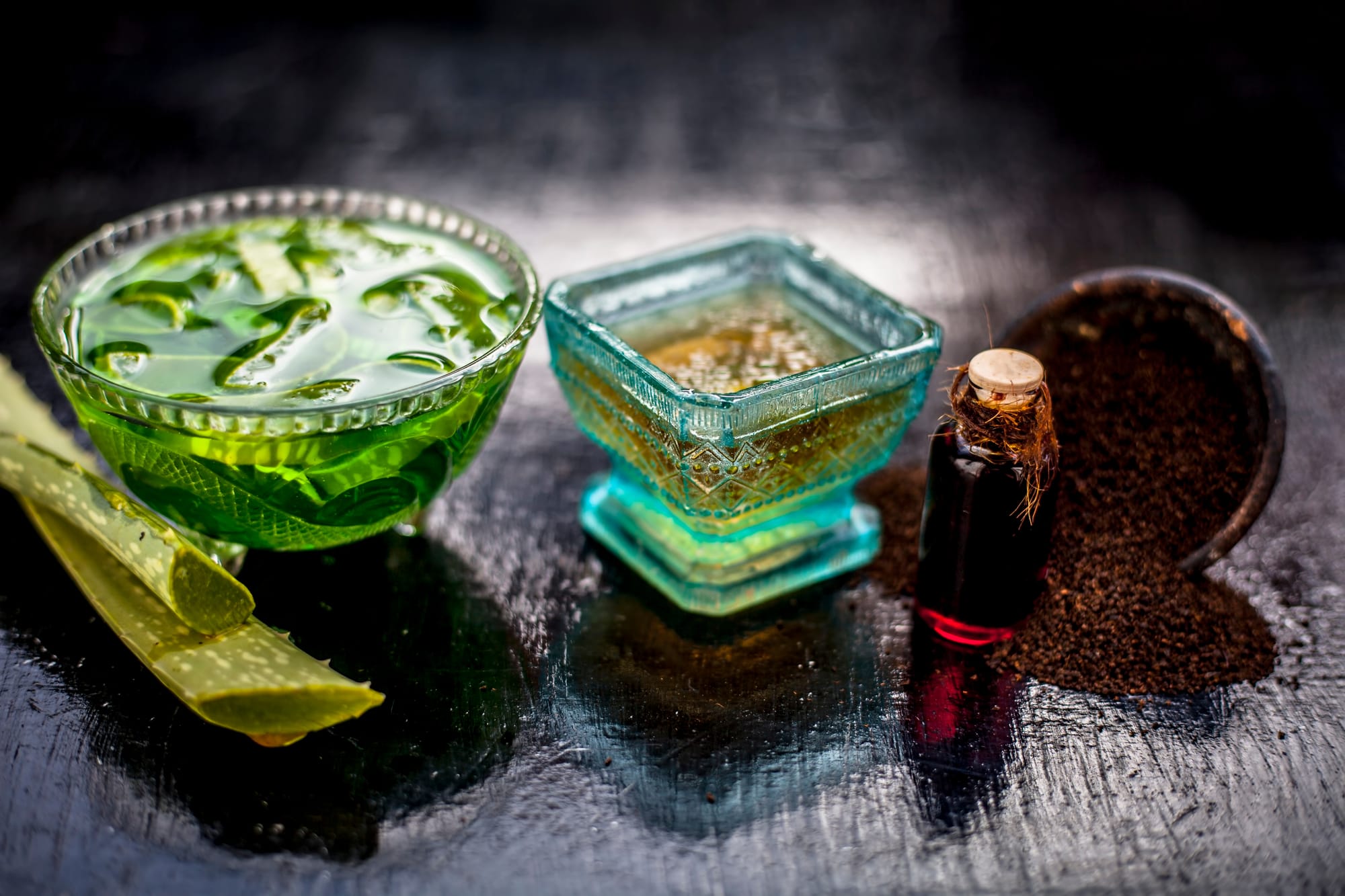
Some natural ingredients can help, but results are usually slower and milder compared to clinical treatments:
- Aloe vera → may soothe inflammation.
- Licorice extract → contains glabridin, which lightens spots.
- Green tea extract → antioxidant support.
While helpful, these are best seen as supportive care, not miracle cures.
The Bottom Line
Yes, some hyperpigmentation can go away naturally—especially mild post-acne marks or hormonal patches. But more stubborn pigmentation (like long-term sun damage or melasma) usually needs consistent skincare or professional treatments.
The good news? With patience, protection, and the right support, hyperpigmentation can always be improved.
Want to understand all the causes and types of pigmentation? Read our full guide: Hyperpigmentation Explained: Causes & Types.
FAQ: Your Skin Questions, Answered
Q: How often should I exfoliate my skin?
A: Most skin types do well with exfoliation 1–2 times per week. Over-exfoliation can weaken your barrier and disrupt your microbiome, leading to sensitivity and dryness. Always listen to your skin’s signals.
Q: Do I really need sunscreen every day?
A: Yes! UV rays penetrate clouds and windows, so your skin is exposed daily. Sunscreen is the most powerful anti-aging and skin-protective step you can take.
Q: Can diet really affect my skin?
A: Absolutely. Antioxidant-rich foods (like berries and leafy greens) help protect against free radical damage, while omega-3 fatty acids support hydration and barrier strength. Hydration and balanced nutrition show up on your skin.