FAQ: Does KP Go Away With Age?

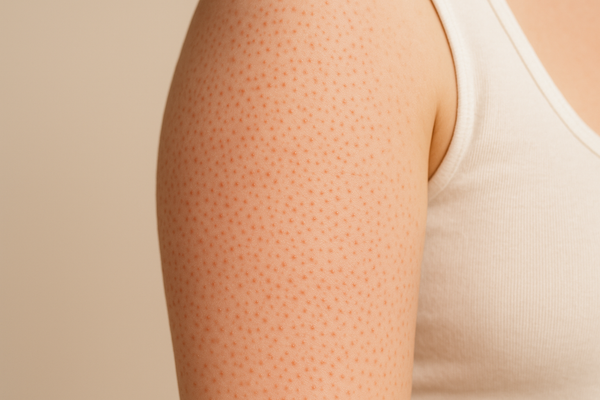
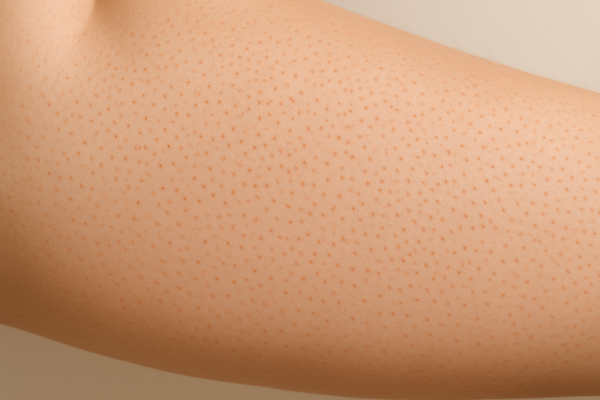
If you’ve had those tiny bumps on your arms or thighs for years, you’ve probably wondered: Will this ever go away?
The good news is that for many people, keratosis pilaris (KP) softens and fades over time.
The bumps may not disappear overnight, but they often become less visible and easier to manage as you get older.
Let’s talk about why that happens, what you can expect, and how to care for your skin along the way.
For a deeper look at what KP actually is and what causes it, see KP Explained.
Why KP Often Improves Over Time
Keratosis pilaris tends to show up in childhood or the teen years — when hormones and keratin production are more active.
As you age, your skin naturally changes: oil levels balance out, cell turnover slows slightly, and inflammation tends to calm down.
Because KP is mostly linked to how your skin sheds and renews itself, those shifts mean the condition often becomes milder or fades altogether.
Some people notice the bumps smooth out by their late 20s or 30s; others find they linger but feel softer and less noticeable.
Why It Doesn’t Always Disappear Completely
While KP improves for many, it doesn’t always vanish — and that’s okay.
That’s because KP is partly genetic. Some people are simply more prone to producing excess keratin, which can block hair follicles and create those small, firm bumps.
Dryness, cold weather, and friction can still make the texture more visible, even years later.
In other words: KP can fade, but the tendency toward it may stay in your skin’s DNA.
The key is keeping your skin barrier strong and hydrated so those bumps don’t have a reason to return.
What You Can Do to Help It Fade
Even though KP can improve on its own, the right habits can speed up that process and make your skin smoother in the meantime.
1. Moisturize Daily
Look for body creams rich in urea, lactic acid, ceramides, or shea butter — these ingredients gently exfoliate and repair dryness at once.
2. Exfoliate Gently
Skip harsh scrubs and use chemical exfoliants (like lactic or salicylic acid) 2–3 times a week instead. They dissolve buildup without irritating the skin.
3. Keep Showers Short and Lukewarm
Hot water strips oils, which makes KP more visible.
4. Avoid Fragrance and Alcohol
Simple, fragrance-free formulas are your skin’s best friend.
5. Stay Consistent
Improvements build over weeks, not days — KP fades gradually with steady care.
Age Isn’t the Only Factor
Even though KP often softens with age, certain life stages can make it reappear or look more noticeable:
- Pregnancy: hormonal changes can temporarily dry out the skin.
- Menopause: reduced oil production may make texture return.
- Cold, dry climates: lower humidity means less moisture retention.
These aren’t signs of regression — just reminders to re-focus on gentle barrier care when your skin’s balance changes.
When to Ask a Dermatologist
Most people manage KP easily at home, but you might want to see a professional if:
- The bumps are inflamed, sore, or spreading.
- Over-the-counter care hasn’t improved texture after a few months.
- You’re unsure if it’s KP or something else (like eczema or folliculitis).
A dermatologist can confirm it’s KP and recommend products or treatments to complement your at-home care.
The Bottom Line
Keratosis pilaris doesn’t last forever for most people.
It often fades naturally as your skin matures, especially with consistent moisturizing and gentle exfoliation.
Even if the bumps don’t vanish completely, they’re harmless — and caring for your skin barrier can make them barely noticeable over time.
Your skin doesn’t need to be perfect; it just needs patience, softness, and steady care.
Learn more about the science behind KP in KP Explained — and discover how small, consistent changes can bring long-term comfort.
References:
- American Academy of Dermatology – Keratosis Pilaris Overview
- National Library of Medicine – Keratosis Pilaris Facts
FAQ: Keratosis Pilaris and Aging
Q: Does KP get worse as you age?
A: No — keratosis pilaris usually improves or softens with age. It may become more visible during dry seasons or hormonal changes, but it doesn’t spread or progress. Many people notice fewer bumps by their late 20s or 30s.
Q:Why does my KP look rougher in winter or as I get older?
A: Because both cold weather and aging reduce natural skin oils, making dryness more noticeable. When skin lacks moisture, the bumps feel rougher. Consistent moisturizing and gentle exfoliation can keep texture under control year-round.
Q: Can I prevent KP from coming back?
A: You can’t prevent it entirely, but you can keep it barely noticeable with steady care:
- Moisturize daily with creams rich in urea, lactic acid, or ceramides.
- Avoid harsh scrubs and hot showers.
- Stay consistent — KP improves with routine, not intensity.
Q:When should I see a dermatologist about KP?
A: If the bumps become painful, inflamed, or start to ooze, or if you’re unsure whether it’s KP or another condition like folliculitis or eczema, see a dermatologist. They can confirm the diagnosis and suggest gentle, effective treatments.