FAQ: Is KP Dangerous?


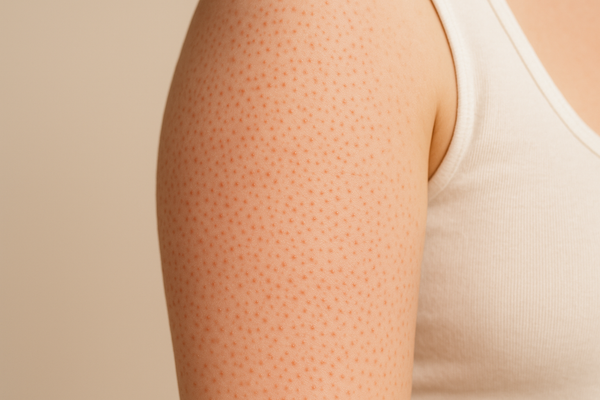
If you’ve noticed tiny, rough bumps on the backs of your arms, thighs, or cheeks, you might have looked it up and come across the term keratosis pilaris — or KP for short.
Then comes the worry: is it something serious?
Let’s clear that up right away: KP isn’t dangerous. It’s a harmless, very common skin condition that affects both kids and adults. It doesn’t spread, it isn’t contagious, and it’s not a sign of poor health or hygiene.
But it can feel frustrating — especially if you’ve tried to scrub it away and the bumps only seem to get worse. Here’s what’s really going on with KP, and how to care for it kindly.
Learn more about what causes it and how to smooth your skin in KP Explained.
What Exactly Is Keratosis Pilaris?
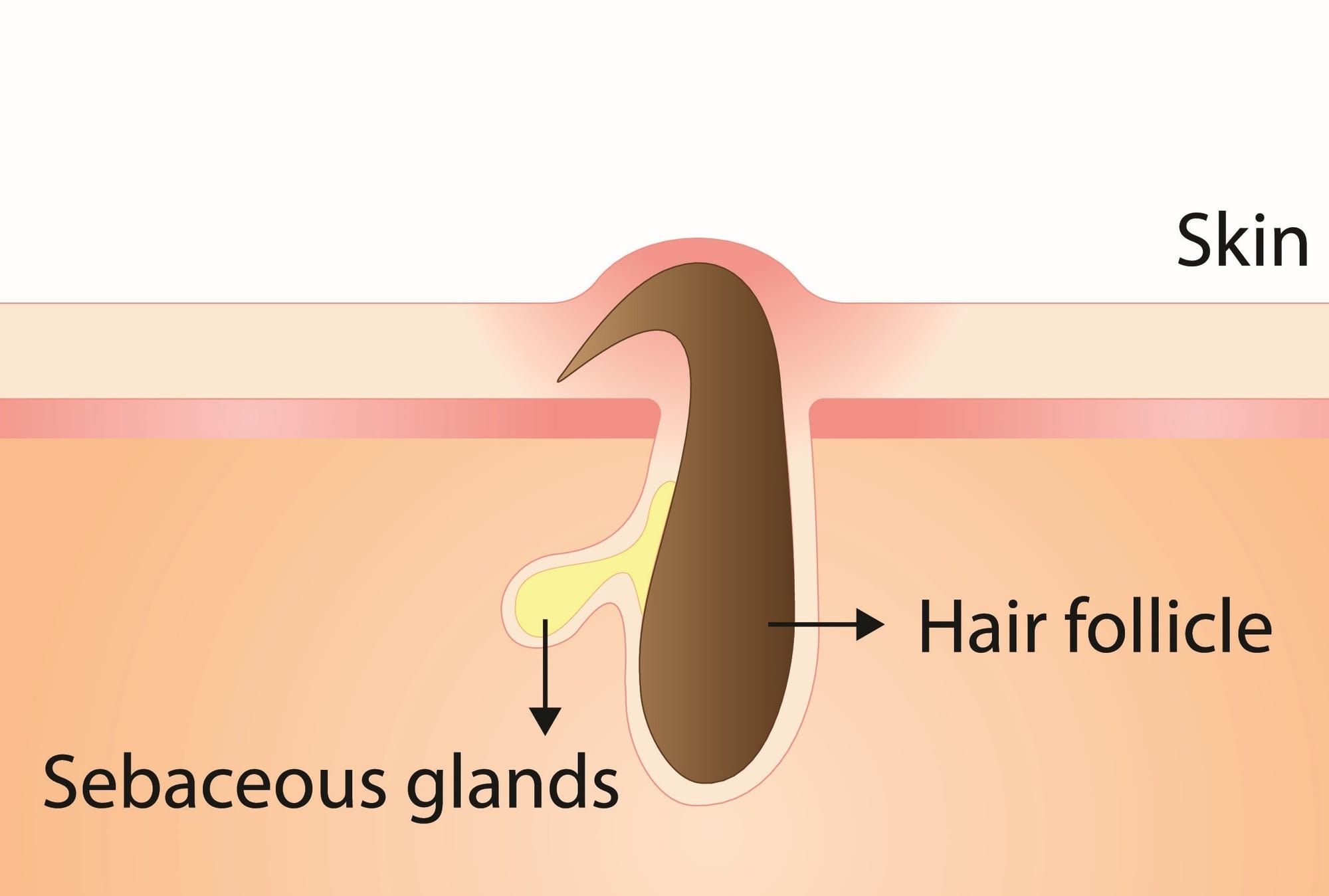
Keratosis pilaris happens when dead skin cells and keratin (a natural protein in your skin) build up and block hair follicles.
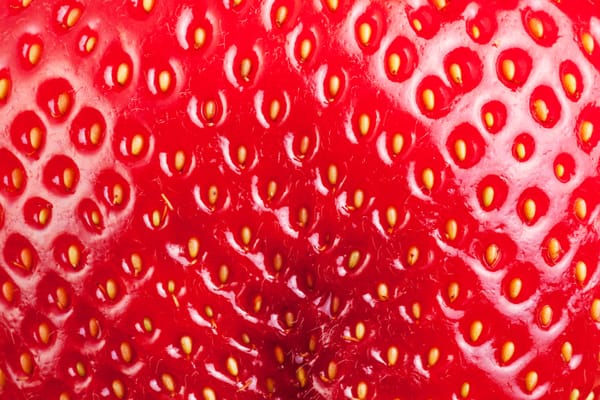
Those tiny plugs create the familiar “strawberry skin” texture — small, firm bumps that may look red, pink, or darker than your natural tone.
KP most often shows up on:
- The backs of your upper arms
- Thighs
- Buttocks
- Sometimes cheeks
It’s not painful, though some people experience mild itch or dryness around the bumps.
Think of KP as a texture issue rather than a disease. It’s more about how your skin sheds cells and renews itself — not something that harms your body.
Why It’s Not Dangerous
- It’s purely cosmetic. KP doesn’t damage deeper skin layers or lead to infection on its own.
- It doesn’t spread. You can’t “catch” it or pass it to someone else.
- It’s not linked to internal illness. It’s often genetic or connected to dry or sensitive skin types, not to anything happening inside your body.
That said, KP can affect confidence and comfort, especially if the skin feels rough or looks irritated. So, while it isn’t medically dangerous, it’s completely understandable to want smoother, calmer skin.
What Can Make KP Look Worse
Even though KP itself is harmless, certain habits can make it appear more noticeable:
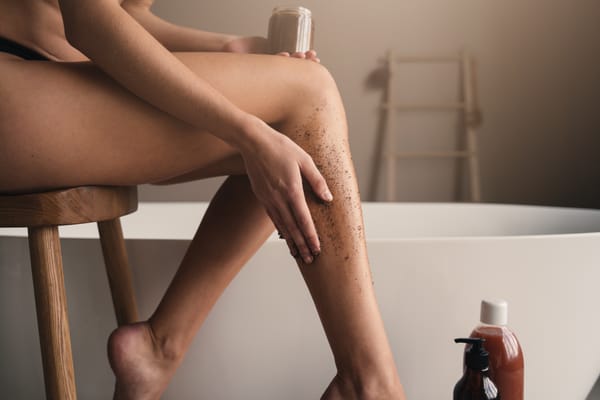
- Over-scrubbing or exfoliating too harshly — this can cause redness and inflammation.
- Skipping moisturizer — dry skin makes the bumps stand out more.
- Using fragranced or drying body washes — these strip your skin’s natural barrier.
- Cold, dry weather — low humidity worsens texture and flaking.
Treating KP gently often makes the biggest difference.

What Actually Helps
You don’t need to fight KP aggressively. In fact, the best approach is the opposite — soften, smooth, and support your barrier.
Look for body products with:
- Lactic acid or urea (exfoliates and hydrates at the same time)
- Salicylic acid (helps loosen clogged follicles)
- Ceramides, shea butter, and glycerin (restore softness and lock in moisture)
Consistency is everything — small improvements build over weeks, not days.
Gently exfoliate 2–3 times per week, moisturize daily, and avoid scrubbing the bumps raw.
When to See a Dermatologist
KP rarely needs medical treatment, but it’s worth checking with a professional if:
- The bumps become painful, inflamed, or oozing
- The area looks infected (yellow crusts, swelling, or tenderness)
- You’re unsure if it’s KP or another skin condition (like eczema or folliculitis)
A dermatologist can confirm what’s going on and recommend soothing options if the texture bothers you.
The Bottom Line
Keratosis pilaris can be stubborn, but it’s completely harmless.
It’s simply your skin’s way of holding on to extra keratin — a cosmetic concern, not a health risk.
With gentle exfoliation, steady moisturizing, and patience, those tiny bumps can look and feel smoother over time.
KP doesn’t need to be “fixed.” It just needs a little understanding and consistent, kind care.
Frequently Asked Questions About KP
Q: Is keratosis pilaris permanent?
A: KP is long-term and often genetic, but its appearance can improve with consistent care. While it may not fully disappear for everyone, the texture and redness can be significantly reduced.
Q: Does KP get worse with age?
A: Not necessarily. Some people notice it improves over time, especially in adulthood, while others experience flare-ups depending on weather, skin dryness, and irritation.
Q: Can I remove KP by scrubbing?
A: No. Scrubbing too hard actually makes KP worse by irritating the skin and causing redness. Gentle chemical exfoliants (like lactic acid or salicylic acid) are more effective and safer.
Q: Is it okay to shave if I have KP?
A: Yes, but shaving can sometimes irritate the area. It helps to use a soothing, moisturizing cream afterward to support the skin barrier and prevent dryness or roughness.