How Food Impacts Skin Health


Your skin is constantly renewing itself. Every 28–40 days, new cells replace old ones, and the raw materials for this process come from what you eat. Nutrients like vitamins, minerals, proteins, and antioxidants are building blocks for collagen, elastin, and skin cells.
When the diet is balanced, skin tends to stay hydrated, resilient, and clear. But when it’s lacking—or overloaded with sugar, alcohol, or processed foods—the skin struggles to keep up. This often shows up as:
- Dull or uneven tone
- More breakouts
- Premature fine lines
- Flare-ups of inflammatory conditions like eczema or psoriasis

The Nutrients Your Skin Loves
1 .Vitamin C
Essential for collagen production. Found in citrus fruits, strawberries, bell peppers, and broccoli. A deficiency can lead to weak, sagging skin.
2. Vitamin E
A powerful antioxidant that protects skin cells from oxidative stress. Sources: nuts, seeds, spinach, and avocados.
3. Vitamin A (Retinoids & Carotenoids)
Helps with cell turnover and repair. Sources: sweet potatoes, carrots, and leafy greens.
4. Zinc
Critical for wound healing and reducing acne. Found in pumpkin seeds, legumes, and shellfish.
5. Omega-3 Fatty Acids
Help reduce inflammation and strengthen the skin barrier. Sources: salmon, walnuts, chia seeds, and flaxseeds.
6. Protein & Amino Acids
Collagen and elastin are proteins—without enough dietary protein, skin repair slows. Sources: fish, lean meats, beans, lentils, and eggs.

Foods That Can Harm Your Skin
Not all foods are skin-friendly. While moderation is key, here are the top culprits:
High-sugar foods:
Cause blood sugar spikes, leading to glycation (a process that damages collagen and elastin).
Dairy products:
Linked to acne flare-ups in some people.
Highly processed foods:
Often high in inflammatory oils and low in nutrients.
Diet, Stress & Skin
Stress changes the way you eat. Under pressure, many people reach for comfort foods—sweets, fried foods, or caffeine—that worsen inflammation. But choosing skin-friendly foods can actually help buffer the effects of stress.
- Magnesium-rich foods (like leafy greens and nuts) regulate cortisol.
- Antioxidants (like berries and green tea) reduce stress-induced free radical damage.
- Balanced meals prevent the “sugar crashes” that make stress feel worse.
Want to see how stress and skin connect?
Read our full guide: Stress & Skin: The Mind-Body Connection.
Diet, Sleep & Skin
The nutrients you eat also affect how well you sleep—and sleep is when skin does its deepest repair work. Heavy or sugary meals late at night can disrupt sleep, while foods rich in tryptophan (like turkey, oats, and bananas) promote restfulness.
- Poor diet = poor sleep → reduced collagen, more inflammation, and duller skin.
- Healthy diet = deeper sleep → stronger repair and brighter complexion.
👉 Curious about how sleep transforms your skin?
Explore our article: Sleep & Skin Repair: Why Beauty Sleep Is Real.
Building a Skin-Friendly Diet
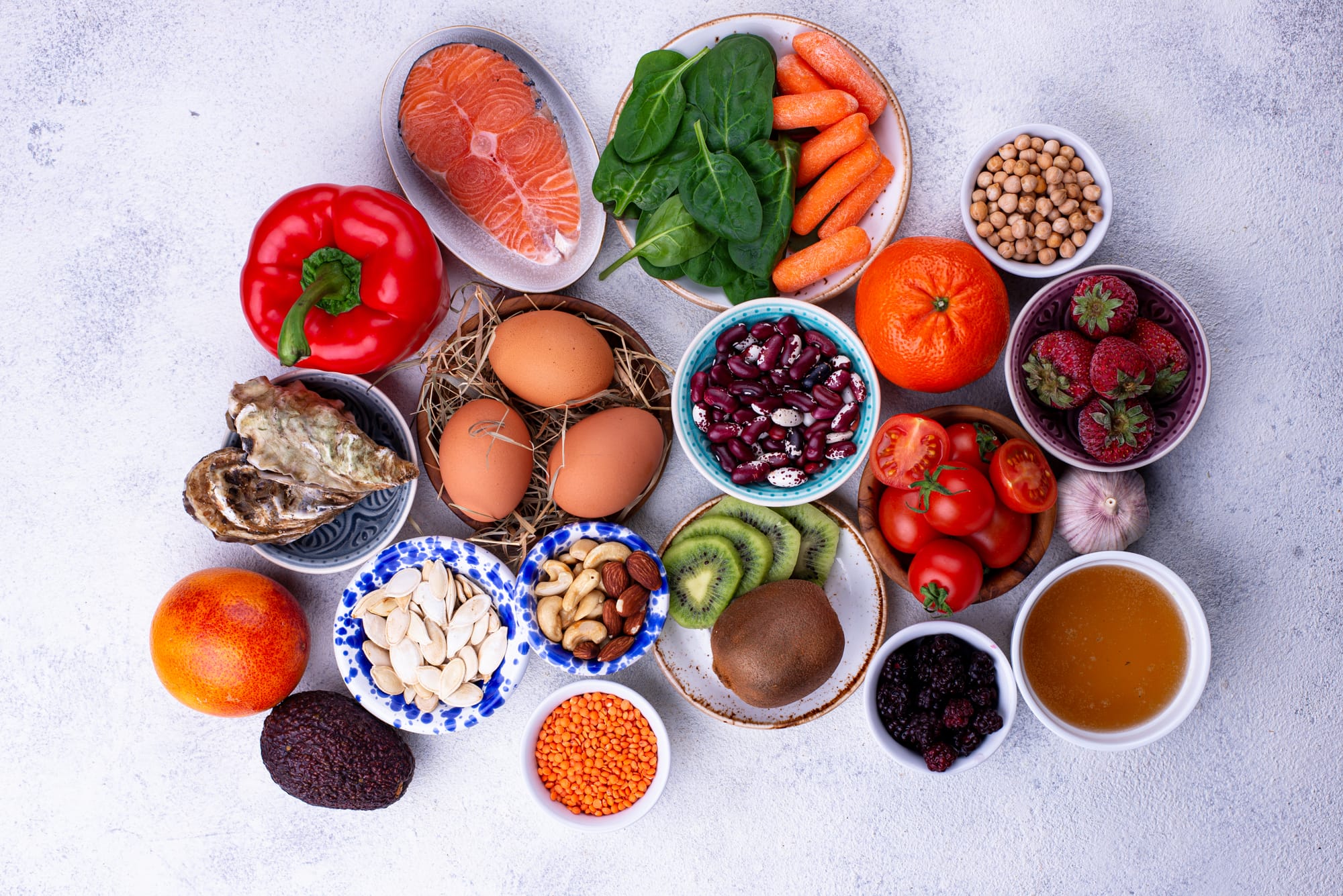
Here’s what a daily diet that supports your skin could look like:
- Breakfast: Oatmeal topped with blueberries, chia seeds, and almonds.
- Lunch: Grilled salmon with quinoa and spinach salad.
- Snack: Carrot sticks with hummus.
- Dinner: Lentil soup with roasted sweet potatoes and broccoli.
- Hydration: 6–8 glasses of water, plus green tea for antioxidants.
This kind of balance delivers protein, antioxidants, vitamins, minerals, and healthy fats—all the things your skin craves.
Conclusion
Your skin isn’t separate from the rest of your body—it reflects it. A nutrient-rich diet supports collagen production, reduces inflammation, and helps your skin defend itself against damage. Combined with good sleep and stress management, it creates the perfect foundation for clear, glowing skin.
To complete the picture:
- Learn how stress affects your complexion in Stress & Skin: The Mind-Body Connection.
- Discover why quality rest is essential in Sleep & Skin Repair.
Because the truth is, glowing skin isn’t just about skincare products—it starts with what you eat, how you rest, and how you manage life’s pressures.
FAQ: Your Skin Questions, Answered
Q: How often should I exfoliate my skin?
A: Most skin types do well with exfoliation 1–2 times per week. Over-exfoliation can weaken your barrier and disrupt your microbiome, leading to sensitivity and dryness. Always listen to your skin’s signals.
Q: Do I really need sunscreen every day?
A: Yes! UV rays penetrate clouds and windows, so your skin is exposed daily. Sunscreen is the most powerful anti-aging and skin-protective step you can take.
Q: Can diet really affect my skin?
A: Absolutely. Antioxidant-rich foods (like berries and leafy greens) help protect against free radical damage, while omega-3 fatty acids support hydration and barrier strength. Hydration and balanced nutrition show up on your skin.