How Skin Ages: Collagen, Elastin & More

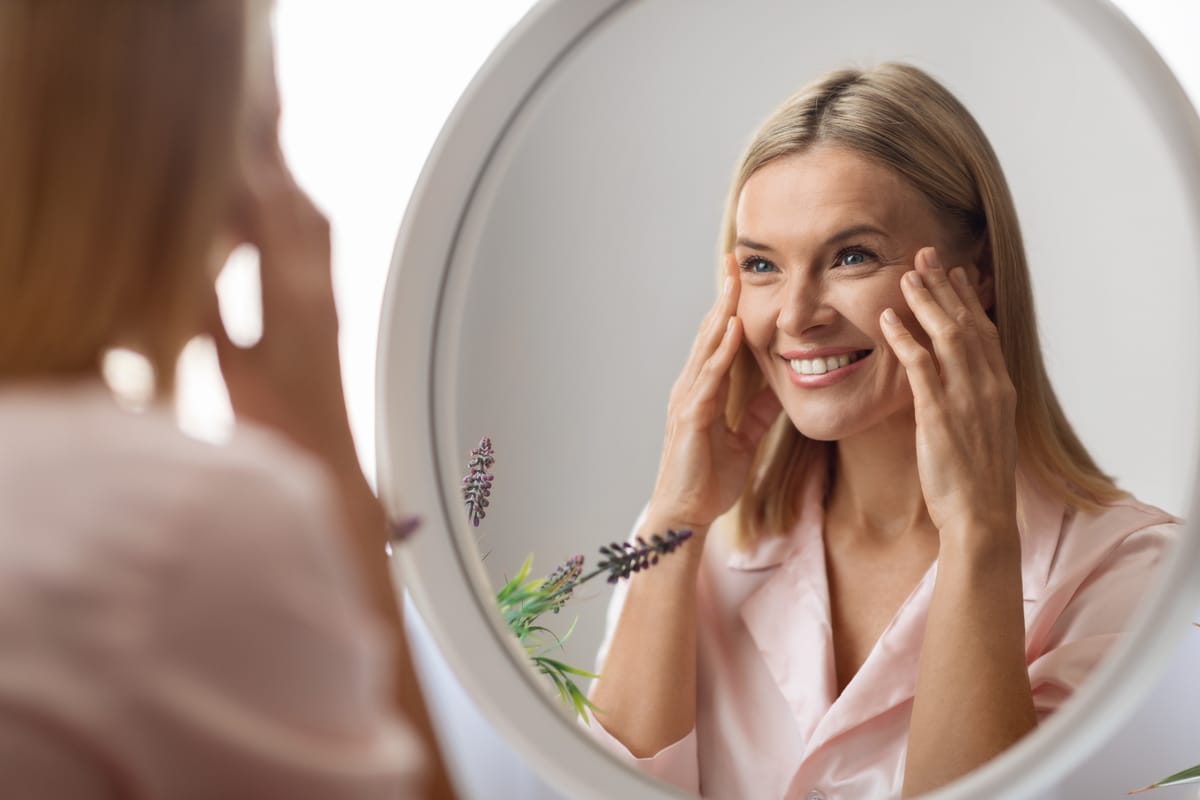
Aging skin—whether it’s fine lines around the eyes, a loss of firmness, or changes in texture—is one of the most common concerns in skincare. But here’s the thing: aging is not just about what you see in the mirror. It’s about what’s happening deep within your skin’s layers, particularly with structural proteins like collagen and elastin.
In this post, we’ll explore how skin ages, what happens to collagen and elastin over time, and why factors like hydration, lifestyle, and genetics all play a role. By the end, you’ll have a better understanding of why your skin changes as you get older—and how to support it through every stage of life.
If you’d like to understand the basics of skin’s structure before diving into aging, I recommend starting with What Is Skin Really?. It breaks down skin’s layers, functions, and microbiome in an easy-to-follow way.
The Natural Aging Process
Skin aging is a combination of intrinsic aging (the natural biological process driven by genetics) and extrinsic aging (changes caused by external factors like sun exposure, pollution, or lifestyle habits).
- Intrinsic aging is gradual and inevitable. Your body produces less collagen every year starting in your mid-20s, and elastin fibers slowly lose their spring.
- Extrinsic aging accelerates the process. UV rays, smoking, stress, poor sleep, and diet can all break down collagen and elastin faster than normal.
That’s why two people of the same age can look very different—lifestyle and environment can dramatically impact how youthful (or aged) skin appears.
Collagen: The Framework of Youth
Collagen is the most abundant protein in the human body, and in skin, it’s responsible for giving structure, firmness, and strength.
What Collagen Does
- Provides the “scaffolding” for skin.
- Maintains a plump, smooth surface.
- Helps wounds heal and tissue repair.
How Collagen Changes with Age
- Starting in your 20s, collagen production decreases by about 1% per year.
- By the time you’re in your 40s, your skin may have lost up to 25% of its original collagen.
- Menopause accelerates collagen decline—up to 30% can be lost in the first five years.
As collagen levels drop, skin begins to look thinner, less resilient, and more prone to wrinkles and sagging.
Elastin: The Secret Behind Skin’s Bounce
While collagen gives skin strength, elastin is what makes it flexible and springy. Think of it as the “rubber band” protein.
What Elastin Does
- Allows skin to snap back after stretching.
- Helps skin withstand constant movement (smiling, frowning, talking).
- Works alongside collagen to maintain firmness.
How Elastin Changes with Age
Unlike collagen, elastin production slows down much earlier in life—and once it’s damaged, it doesn’t regenerate easily.
- UV damage is the biggest culprit, breaking down elastin fibers and causing them to clump and lose elasticity.
- Over time, skin loses its ability to bounce back, leading to sagging, fine lines, and deeper wrinkles.
Other Key Factors in Skin Aging
While collagen and elastin are the stars of the show, other skin components also play a huge role in visible aging:
- Hyaluronic Acid
- Naturally present in the skin, it holds onto water and keeps skin plump.
- Declines with age, contributing to dryness and fine lines.
- Sebum (Oil) Production
- Keeps skin moisturized and protected.
- Decreases with age, especially after menopause, leading to dryness and roughness.
- Cell Turnover
- Young skin renews itself about every 28 days.
- With age, this slows to 40–60 days, causing dullness and uneven texture.
- Skin Barrier Changes
- The outer layer becomes weaker, making skin more sensitive and prone to irritation.
👉 Curious about how your skin type influences this process? Check out Skin Types 101. Each type—oily, dry, sensitive, or combination—ages in slightly different ways.
Environmental Accelerators of Aging
Let’s talk about the external factors that can make skin age faster:
- Sun Exposure (Photoaging): UV rays are the #1 cause of premature aging, breaking down collagen and elastin while causing pigmentation changes.
- Pollution: Increases free radical damage, which weakens skin’s structural proteins.
- Lifestyle Choices: Smoking, alcohol, poor diet, and chronic stress all speed up collagen loss.
- Sleep Deprivation: Without enough rest, skin repair slows and cortisol (the stress hormone) increases, which damages collagen.
The good news? Unlike intrinsic aging, these factors are within your control. Consistent sunscreen, antioxidants, and healthy habits can dramatically slow their impact.
Supporting Skin Through the Ages
While we can’t stop time, we can support our skin to age as gracefully and healthily as possible.
In Your 20s
- Focus on prevention: sunscreen daily, gentle cleansers, and lightweight hydration.
- Introduce antioxidants like vitamin C to fight free radicals.
In Your 30s
- Collagen loss becomes more noticeable—add retinoids or peptides to encourage collagen production.
- Hydration is key: look for hyaluronic acid-based serums and moisturizers.
In Your 40s
- Skin becomes thinner and drier. Use richer creams and barrier-supporting ingredients like ceramides.
- Exfoliation (AHAs, BHAs) helps speed up sluggish cell turnover.
50s & Beyond
- Hormonal shifts accelerate changes. Support skin with firming treatments, nourishing oils, and collagen-boosting ingredients.
- Professional treatments (microneedling, lasers, fillers) can help restore lost volume and elasticity.
The Takeaway
Aging is natural, but understanding what’s happening beneath the surface helps you care for your skin in smarter, more intentional ways.
- Collagen keeps skin firm and strong.
- Elastin keeps it bouncy and flexible.
- Other factors like hyaluronic acid, sebum, and cell turnover all contribute to how your skin changes over time.
By protecting your skin from external stressors and supporting it with nourishing skincare, you can maintain its resilience and radiance—at any age.
And remember: aging skin is still beautiful skin. Fine lines are not flaws—they’re signs of life, laughter, and resilience.
FAQ: Your Skin Questions, Answered
Q: How often should I exfoliate my skin?
A: Most skin types do well with exfoliation 1–2 times per week. Over-exfoliation can weaken your barrier and disrupt your microbiome, leading to sensitivity and dryness. Always listen to your skin’s signals.
Q: Do I really need sunscreen every day?
A: Yes! UV rays penetrate clouds and windows, so your skin is exposed daily. Sunscreen is the most powerful anti-aging and skin-protective step you can take.
Q: Can diet really affect my skin?
A: Absolutely. Antioxidant-rich foods (like berries and leafy greens) help protect against free radical damage, while omega-3 fatty acids support hydration and barrier strength. Hydration and balanced nutrition show up on your skin.