Hyperpigmentation Explained: Causes & Types

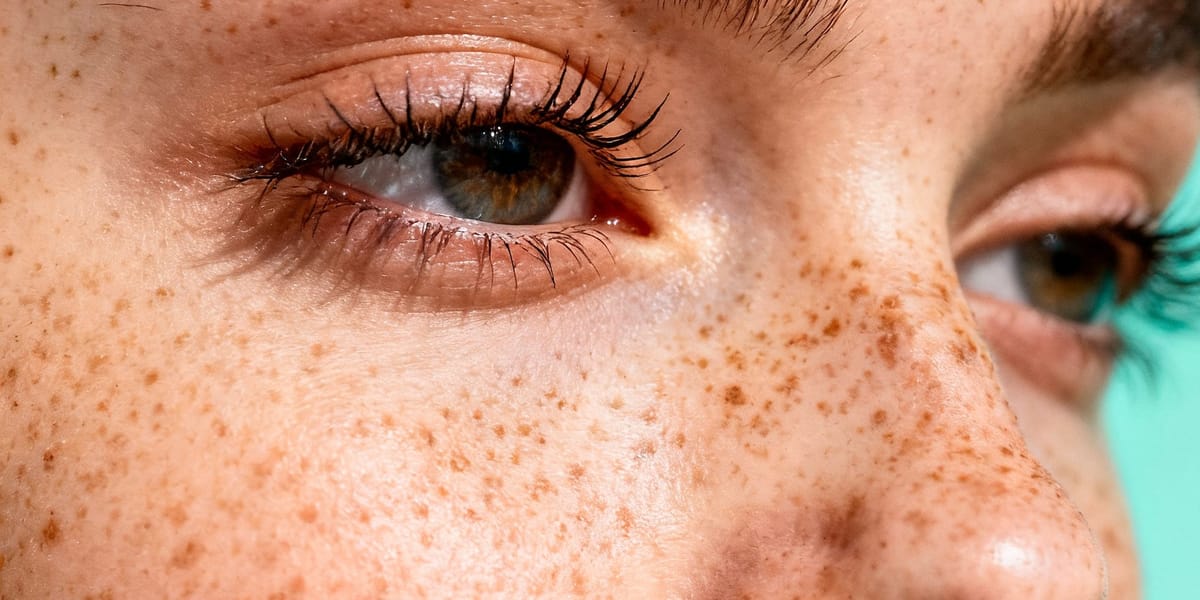
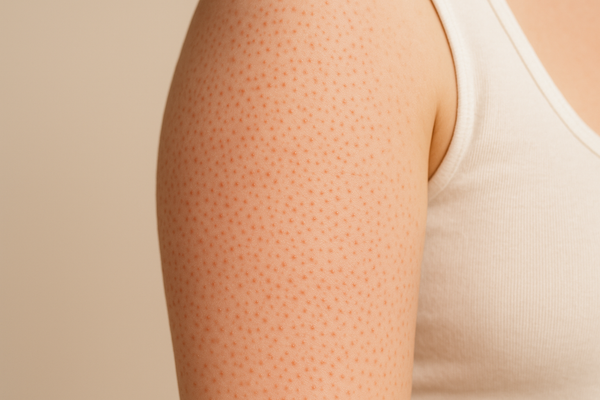
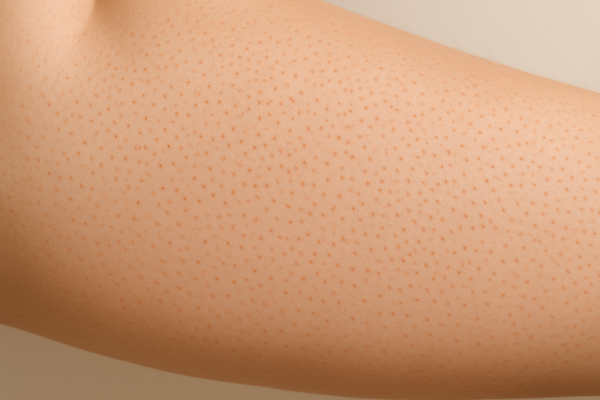
Hyperpigmentation is one of the most common skin concerns worldwide, affecting people of all ages and skin tones. It appears as dark patches, spots, or uneven tone caused by excess melanin—the pigment responsible for skin, hair, and eye color.
While it’s not dangerous, hyperpigmentation can be frustrating and impact self-confidence. Understanding the causes, triggers, and types is the first step toward treating it effectively.
This guide breaks down what hyperpigmentation is, why it happens, the different forms it takes, and how to manage it. Along the way, we’ll link to in-depth guides on Best Ingredients for Hyperpigmentation, the role of Sunscreen & Hyperpigmentation: Why It Matters, and common Hyperpigmentation Myths Debunked.
What Is Hyperpigmentation?
Hyperpigmentation is the medical term for areas of skin that become darker than the surrounding tissue. It occurs when melanocytes (pigment-producing cells) create too much melanin, or when melanin becomes unevenly distributed.
Key characteristics:
- Can appear as small spots or large patches.
- Ranges from light brown to dark gray or black.
- Affects all skin tones, though darker tones are often more prone to long-lasting marks.
The Science Behind Melanin
Melanin is produced by melanocytes in the basal layer of the skin. Its primary job is protection—absorbing UV radiation to shield DNA from damage.
- Eumelanin → Brown/black pigment (protects more effectively).
- Pheomelanin → Red/yellow pigment (less protective).
Hyperpigmentation happens when melanin production becomes unbalanced, often triggered by external or internal factors.
Causes of Hyperpigmentation
Sun Exposure
UV radiation is the #1 cause of hyperpigmentation. It directly stimulates melanocytes to produce more pigment, leading to sunspots and uneven tone.
Inflammation & Trauma
Any skin injury—acne, cuts, eczema, or even aggressive treatments—can lead to post-inflammatory hyperpigmentation (PIH).
Hormonal Changes
Conditions like melasma are linked to hormones (especially estrogen and progesterone), making them common during pregnancy or when using birth control.
Aging
Over time, years of sun exposure and slower cell turnover contribute to “age spots” or liver spots.
Medications & Medical Conditions
Certain drugs (antimalarials, chemotherapy, antibiotics) and some endocrine disorders may trigger pigmentation.

Types of Hyperpigmentation
- Sunspots (Solar Lentigines): From chronic UV damage.
- Post-Inflammatory Hyperpigmentation (PIH): Dark marks after acne or irritation.
- Melasma: Hormone-driven, often symmetrical patches.
- Freckles (Ephelides): Genetic, but darken with sun.
- Age Spots: From long-term sun damage and aging.
Treatment Approaches
Topical Ingredients
Dermatology-backed actives like vitamin C, niacinamide, and retinoids help fade pigmentation.
Explore them all in Best Ingredients for Hyperpigmentation.
Professional Treatments
Chemical peels, laser therapy, or microneedling can be effective for stubborn cases.
Daily Sunscreen
Non-negotiable for both prevention and treatment.
Learn more in Sunscreen & Hyperpigmentation: Why It Matters.
Lifestyle Factors
- Diet: Antioxidants (berries, greens) support skin repair.
- Stress: High cortisol worsens inflammation and pigmentation.
- Sleep: Overnight is when skin heals and regenerates.
- No picking: Prevents new PIH from forming.
Common Myths
From lemon juice “remedies” to the belief that only fair skin gets pigmentation, misinformation is everywhere.
Read more in Hyperpigmentation Myths Debunked.
When to See a Dermatologist
- Sudden or spreading dark patches.
- Irregularly shaped or colored spots (to rule out melanoma).
- No improvement after 3–6 months of consistent care.
Conclusion
Hyperpigmentation is complex but manageable. By understanding its causes and types, you can target it more effectively with the right treatments, SPF, and supportive care.
- Ingredients help fade spots.
- Sunscreen prevents more.
- Gentle hydration (like Try Strawberry body care) keeps skin balanced throughout.
Start with our guides:
- Best Ingredients for Hyperpigmentation
- Sunscreen & Hyperpigmentation: Why It Matters
- Hyperpigmentation Myths Debunked
With consistency and patience, clearer, more even-toned skin is achievable.
FAQ: Your Skin Questions, Answered
Q: How often should I exfoliate my skin?
A: Most skin types do well with exfoliation 1–2 times per week. Over-exfoliation can weaken your barrier and disrupt your microbiome, leading to sensitivity and dryness. Always listen to your skin’s signals.
Q: Do I really need sunscreen every day?
A: Yes! UV rays penetrate clouds and windows, so your skin is exposed daily. Sunscreen is the most powerful anti-aging and skin-protective step you can take.
Q: Can diet really affect my skin?
A: Absolutely. Antioxidant-rich foods (like berries and leafy greens) help protect against free radical damage, while omega-3 fatty acids support hydration and barrier strength. Hydration and balanced nutrition show up on your skin.