Moisturizers: What Works & Why

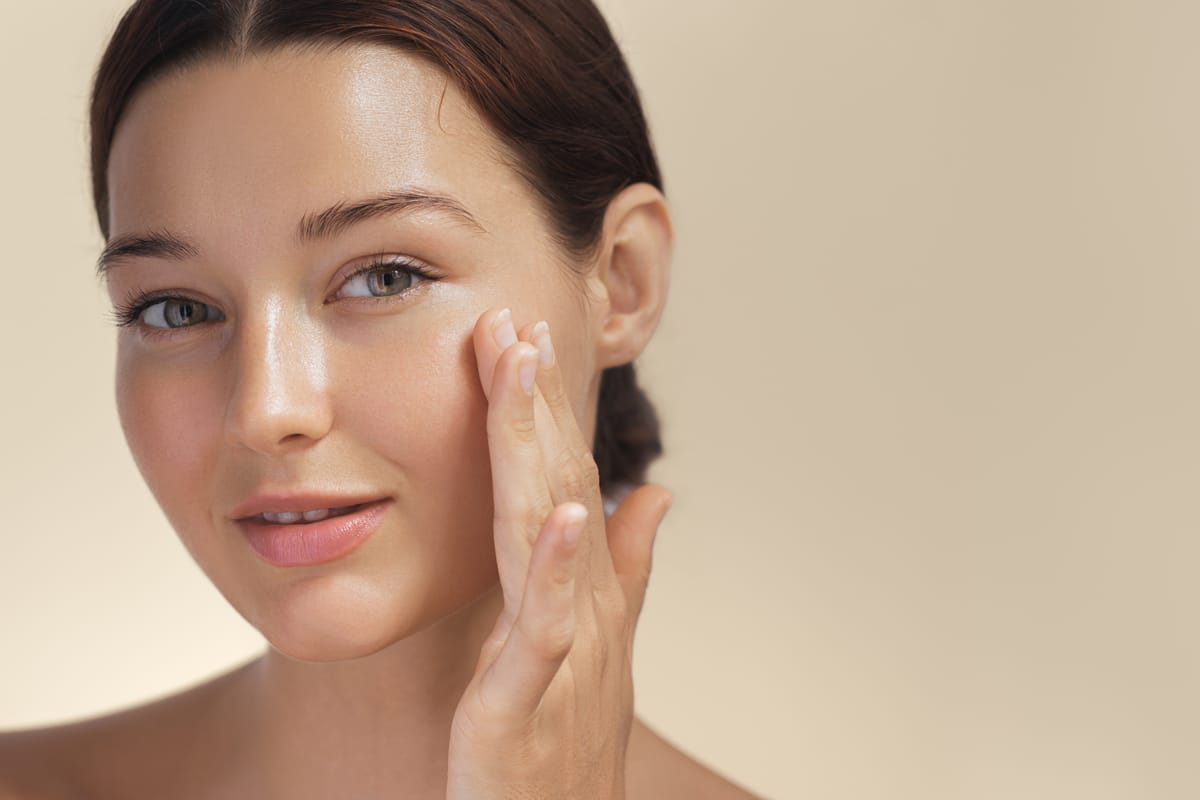
If there’s one product every dermatologist agrees on, it’s moisturizer. No matter your age, gender, or skin type, moisturizer plays a central role in keeping skin healthy and balanced. Yet, with so many options—lotions, creams, gels, balms—it’s easy to feel overwhelmed.
This article breaks down what moisturizers do, the different types, and how to choose the right one for your skin. We’ll also connect moisturizers to other parts of your skincare routine—like Exfoliants Explained: AHAs, BHAs & PHAs and Retinoids: Benefits & Side Effects—to show why this step is non-negotiable.
What Do Moisturizers Actually Do?
Moisturizers aren’t just about making your skin feel soft. They’re designed to:
- Hydrate by delivering water to the skin.
- Seal in moisture to prevent dehydration.
- Strengthen the skin barrier (the outer layer that protects against irritants, pollution, and bacteria).
- Soothe irritation from actives like exfoliants or retinoids.
Without moisturizer, your skin can lose water too quickly, leading to dryness, sensitivity, and premature signs of aging.
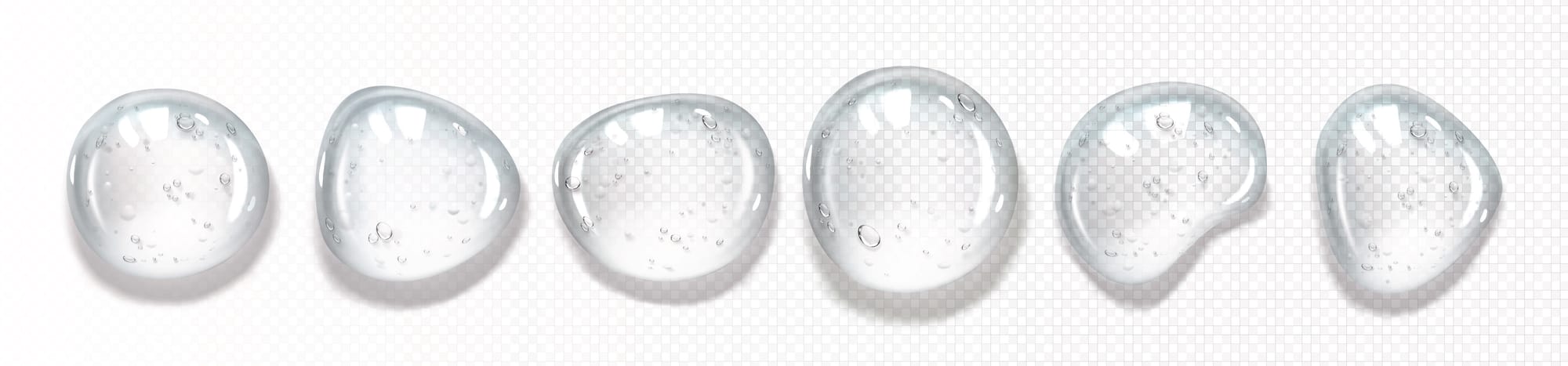
The Science: Ingredients That Make Moisturizers Work
Most moisturizers contain a mix of three key ingredient types:
1. Humectants
These draw water into the skin.
Examples: hyaluronic acid, glycerin, aloe vera.
2. Emollients
These smooth skin by filling in gaps between cells.
Examples: fatty acids, ceramides, shea butter.
3. Occlusives
These form a barrier on the skin to lock hydration in.
Examples: petrolatum, dimethicone, lanolin.
A well-formulated moisturizer balances these three for hydration and barrier support.
Types of Moisturizers
Lotions
Lightweight, often water-based. Best for oily or combination skin.
Creams
Thicker and more hydrating. Ideal for dry or mature skin.
Gels
Light, refreshing textures. Great for oily or acne-prone skin.
Balms/Ointments
Rich, protective, often occlusive. Best for very dry or damaged skin (think eczema or harsh winter conditions).
How to Choose the Right Moisturizer for Your Skin Type
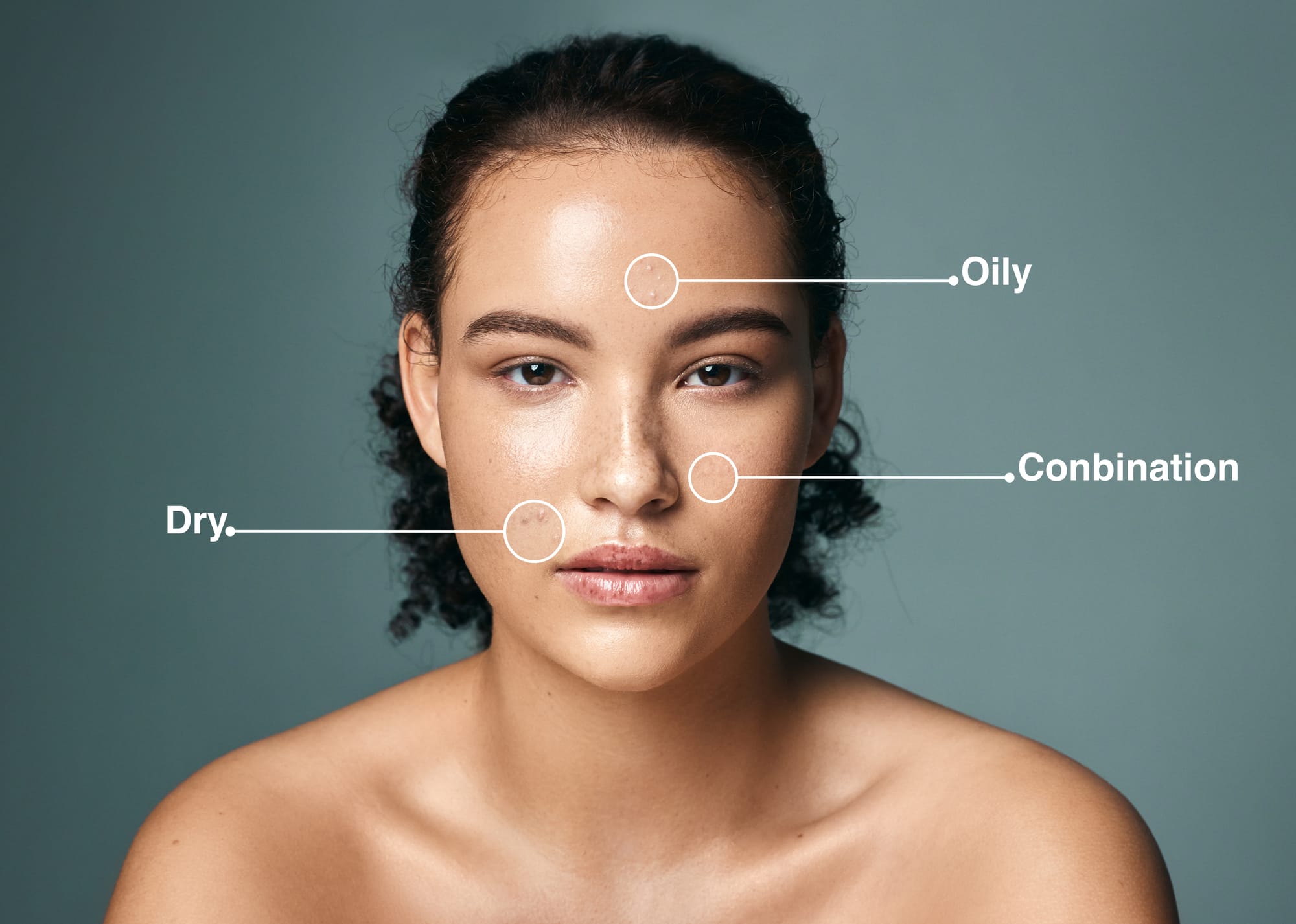
- Oily skin → Gel or lightweight lotion with humectants, non-comedogenic.
- Dry skin → Rich cream with ceramides, shea butter, or oils.
- Sensitive skin → Fragrance-free, minimal-ingredient cream with soothing agents.
- Combination skin → Layer lightweight moisturizer in oily zones, richer cream in dry areas.
When and How to Apply Moisturizer
- Morning: Use a lightweight moisturizer, followed by sunscreen.
- Night: Use a richer formula to support overnight repair.
- After exfoliation or retinoids: Always apply moisturizer to buffer irritation and prevent dryness.
Learn how to balance these steps in our guide to Exfoliants Explained: AHAs, BHAs & PHAs.
Discover how retinoids and moisturizers work together in Retinoids: Benefits & Side Effects.
Moisturizers & Other Actives
With Exfoliants
Exfoliants (AHAs, BHAs, PHAs) remove dead skin cells. This can leave skin more vulnerable. Moisturizers calm and restore the barrier afterward.
With Retinoids
Retinoids often cause dryness and irritation in the beginning. Moisturizers are essential to buffer these effects. Some people even use the “sandwich method” → moisturizer, retinoid, moisturizer.
With Serums
Moisturizers lock in the actives from serums (like vitamin C or hyaluronic acid) and prevent them from evaporating off the skin.
Common Myths About Moisturizers
- “Oily skin doesn’t need moisturizer.” → Wrong. Even oily skin can get dehydrated. Lack of moisturizer often leads to more oil production.
- “Natural oils are enough.” → Some oils hydrate, but they don’t replace full moisturizers with humectants + emollients + occlusives.
- “Moisturizers cause breakouts.” → The wrong formula might, but non-comedogenic moisturizers won’t clog pores.
Lifestyle Factors That Affect Skin Hydration
- Diet: Omega-3s (salmon, flaxseed) support skin barrier.
- Water intake: Hydration starts from within.
- Sleep: Overnight is peak repair time, when moisturizers are most effective.
- Stress: Cortisol weakens skin barrier function, making moisturizers even more important.
Conclusion
Moisturizers are the backbone of every skincare routine. They hydrate, protect, and strengthen your skin barrier while supporting the effects of other treatments.
To get the most out of your skincare:
- Choose a moisturizer that matches your skin type.
- Pair moisturizers with exfoliants for glow.
- Always use moisturizers with retinoids to buffer side effects.