Retinoids: Benefits & Side Effects

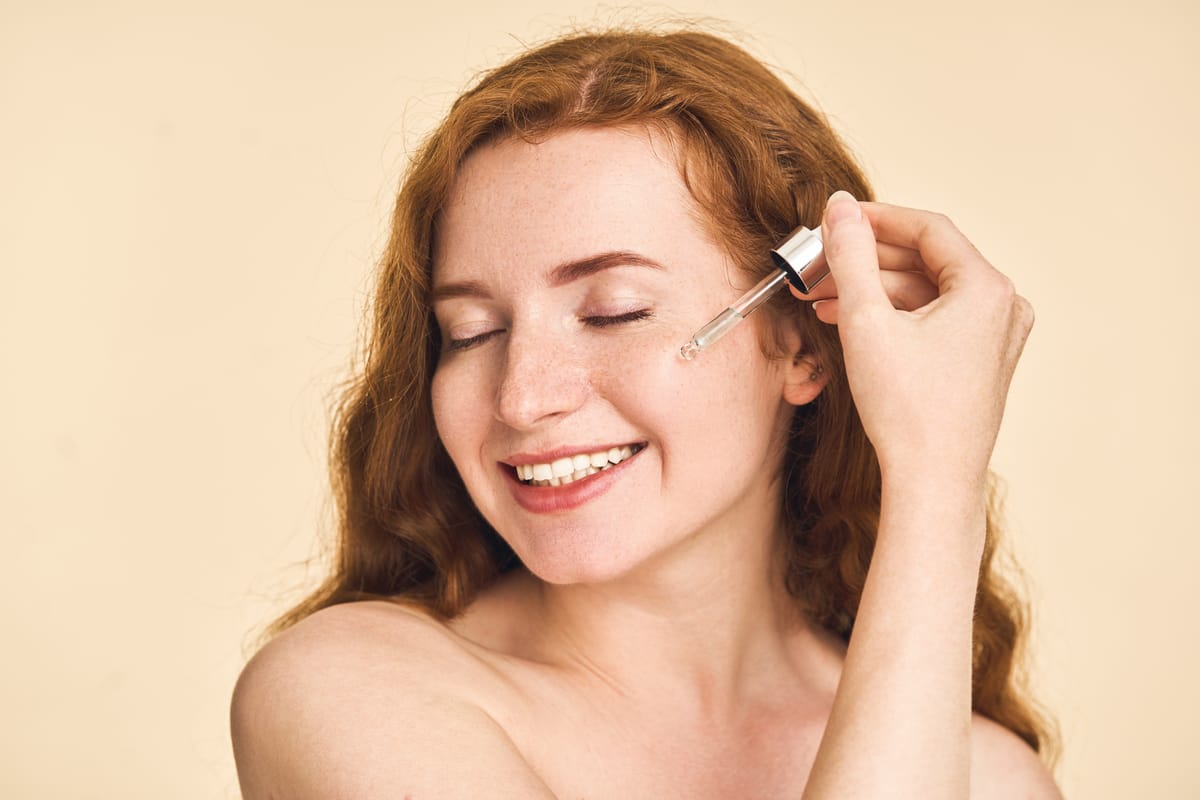
Few skincare ingredients have achieved legendary status like retinoids. Dermatologists call them the gold standard in anti-aging, while countless users swear by their transformative effects on acne, fine lines, and skin texture.
But with great power comes caution. Retinoids can deliver dramatic results—but they can also cause dryness, irritation, or sensitivity if not used correctly.
This article breaks down what retinoids are, how they work, their benefits, potential side effects, and how to fit them into your skincare routine alongside essentials like Moisturizers: What Works & Why and Exfoliants Explained: AHAs, BHAs, PHAs
What Are Retinoids?
Retinoids are vitamin A derivatives that speed up cell turnover, boost collagen, and regulate oil production. They come in various strengths and forms:
- Retinol (OTC, gentle, widely available).
- Retinaldehyde (stronger than retinol, still OTC).
- Adapalene (once prescription, now available OTC for acne).
- Tretinoin (Retin-A) (prescription, highly effective).
- Isotretinoin (Accutane) (oral prescription for severe acne).
How Do Retinoids Work?
Retinoids interact with receptors in skin cells, encouraging them to:
- Shed old, damaged cells faster.
- Produce more collagen and elastin.
- Regulate sebum (oil), reducing clogged pores.
- Improve pigmentation by dispersing melanin evenly.
Think of retinoids as trainers pushing your skin cells to “work out” and regenerate at a faster, healthier pace.
Benefits of Retinoids
1. Anti-Aging
- Reduce fine lines and wrinkles by stimulating collagen.
- Improve skin firmness and elasticity.
- Smooth uneven texture.
2. Acne Treatment
- Prevent clogged pores.
- Reduce oiliness.
- Clear breakouts and reduce post-acne marks.
3. Hyperpigmentation & Dark Spots
- Fade sun damage, melasma, and post-inflammatory marks.
- Create a more even skin tone.
4. Overall Glow
- Increase cell turnover = fresher, brighter skin.
Side Effects of Retinoids
Retinoids are powerful—so side effects are common, especially at the start.
Dryness & Peeling
Skin may flake as old cells shed faster.
Solution: Pair with a gentle Moisturizer daily.
Irritation & Redness
Some stinging or redness is normal early on.
Solution: Start slow (2–3 nights a week) and build tolerance.
Sun Sensitivity
Retinoids thin the outer skin layer temporarily, making you more prone to sunburn.
Solution: Always wear SPF.
“Retinoid Uglies”
The purge phase—when skin looks worse before it gets better. Usually clears within 6–8 weeks.
How to Use Retinoids Safely
Begin with a mild formula (like 0.25–0.5% retinol) 2–3 nights per week. Increase as tolerance builds.
Wait 10–20 minutes after cleansing to reduce irritation.
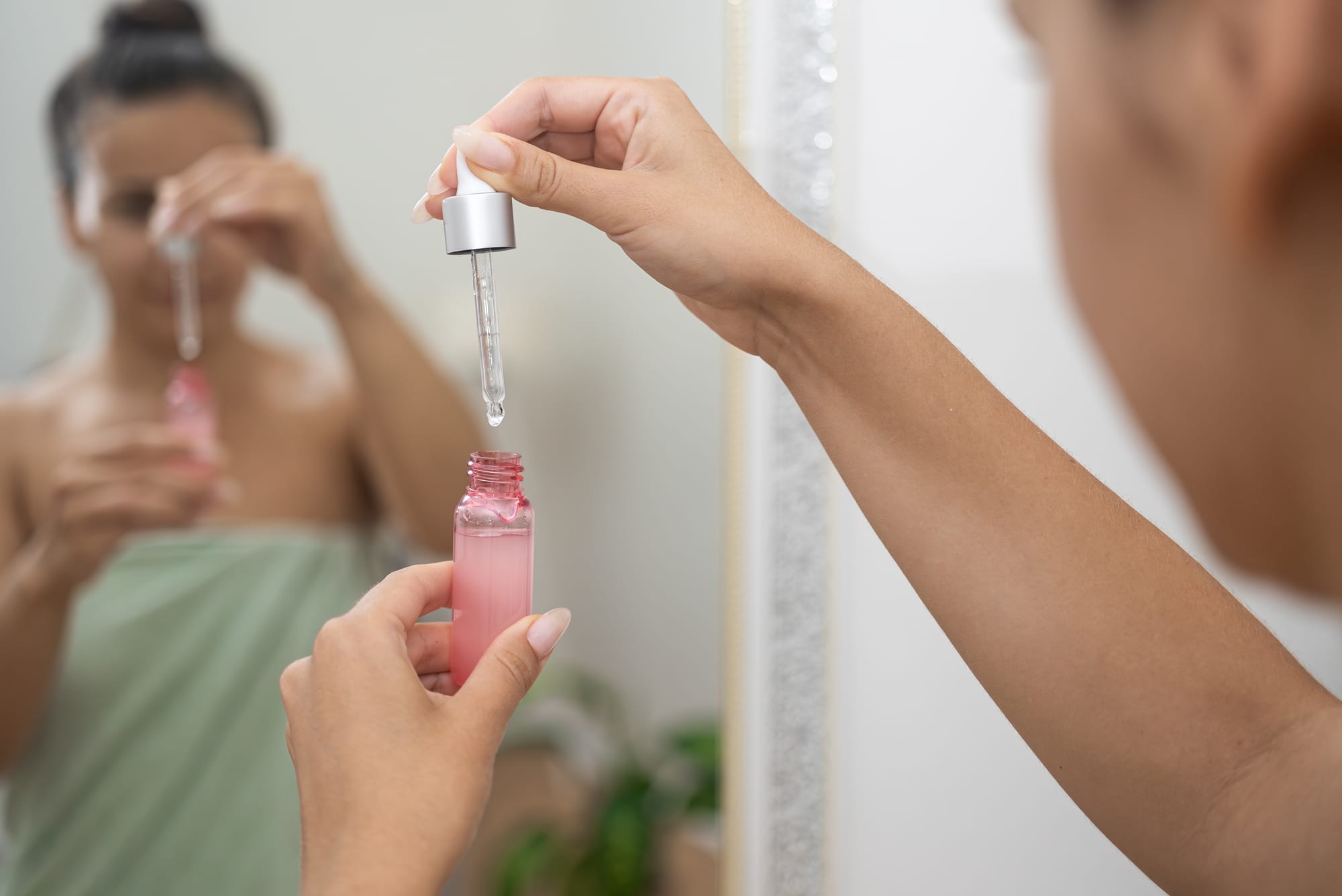
A little goes a long way. Apply evenly across the face, avoiding eyes and lips.
Retinoids strip moisture—follow with a nourishing Moisturizer: What Works & Why.
Using AHAs, BHAs, or scrubs at the same time can overwhelm your skin. Instead, alternate exfoliation nights. For safe usage tips, see Exfoliants Explained: AHAs, BHAs & PHAs.
Sun protection is non-negotiable when using retinoids.
Retinoids vs Other Actives
- Vitamin C: Use in the morning, retinoids at night.
- Exfoliants (AHAs, BHAs, PHAs): Alternate days with retinoids.
- Niacinamide: Safe to combine, helps calm irritation.
Who Should Use Retinoids?
Great for:
- People with acne, fine lines, uneven skin tone, or sun damage.
- Those ready for long-term skincare investment (retinoids take 2–3 months to show results).
Avoid or consult doctor if:
- Pregnant or breastfeeding.
- Extremely sensitive skin.
When Will You See Results?
- Acne improvement → 6–8 weeks.
- Skin texture and tone → 2–3 months.
- Fine lines and wrinkles → 3–6 months.
Retinoids are a marathon, not a sprint—but the results are worth it.
Lifestyle & Retinoids
Retinoids work best when combined with healthy skin habits:
- Balanced diet with antioxidants and omega-3s.
- Adequate sleep for overnight repair.
- Stress management (cortisol worsens acne and aging).
Conclusion
Retinoids are one of the most effective skincare ingredients for acne, aging, and uneven tone—but they must be used wisely. By starting slow, pairing them with moisturizers, and alternating with exfoliants, you can enjoy their benefits while minimizing side effects.
Want to make your retinoid journey smoother?
- Learn how to choose the right Moisturizer to keep your barrier strong.
- Discover how to safely combine retinoids with Exfoliants for maximum results.
With consistency and care, retinoids can transform your skin and give you the long-term glow you’ve been chasing.
FAQ: Your Skin Questions, Answered
Q: How often should I exfoliate my skin?
A: Most skin types do well with exfoliation 1–2 times per week. Over-exfoliation can weaken your barrier and disrupt your microbiome, leading to sensitivity and dryness. Always listen to your skin’s signals.
Q: Do I really need sunscreen every day?
A: Yes! UV rays penetrate clouds and windows, so your skin is exposed daily. Sunscreen is the most powerful anti-aging and skin-protective step you can take.
Q: Can diet really affect my skin?
A: Absolutely. Antioxidant-rich foods (like berries and leafy greens) help protect against free radical damage, while omega-3 fatty acids support hydration and barrier strength. Hydration and balanced nutrition show up on your skin.