Serums vs Creams: What’s the Difference?

Walk down any skincare aisle and you’ll see countless bottles and jars labeled serums and creams. Both promise smoother, brighter, healthier skin—but what’s the real difference? Should you be using one, the other, or both?
This article breaks down the unique roles of serums and creams, how they work on the skin, and how to layer them correctly. By the end, you’ll know exactly how each fits into your daily skincare routine—and why moisturizers (creams) remain essential. We’ll also link you to our full guide: Moisturizers: What Works & Why for deeper insights.
What Is a Serum?
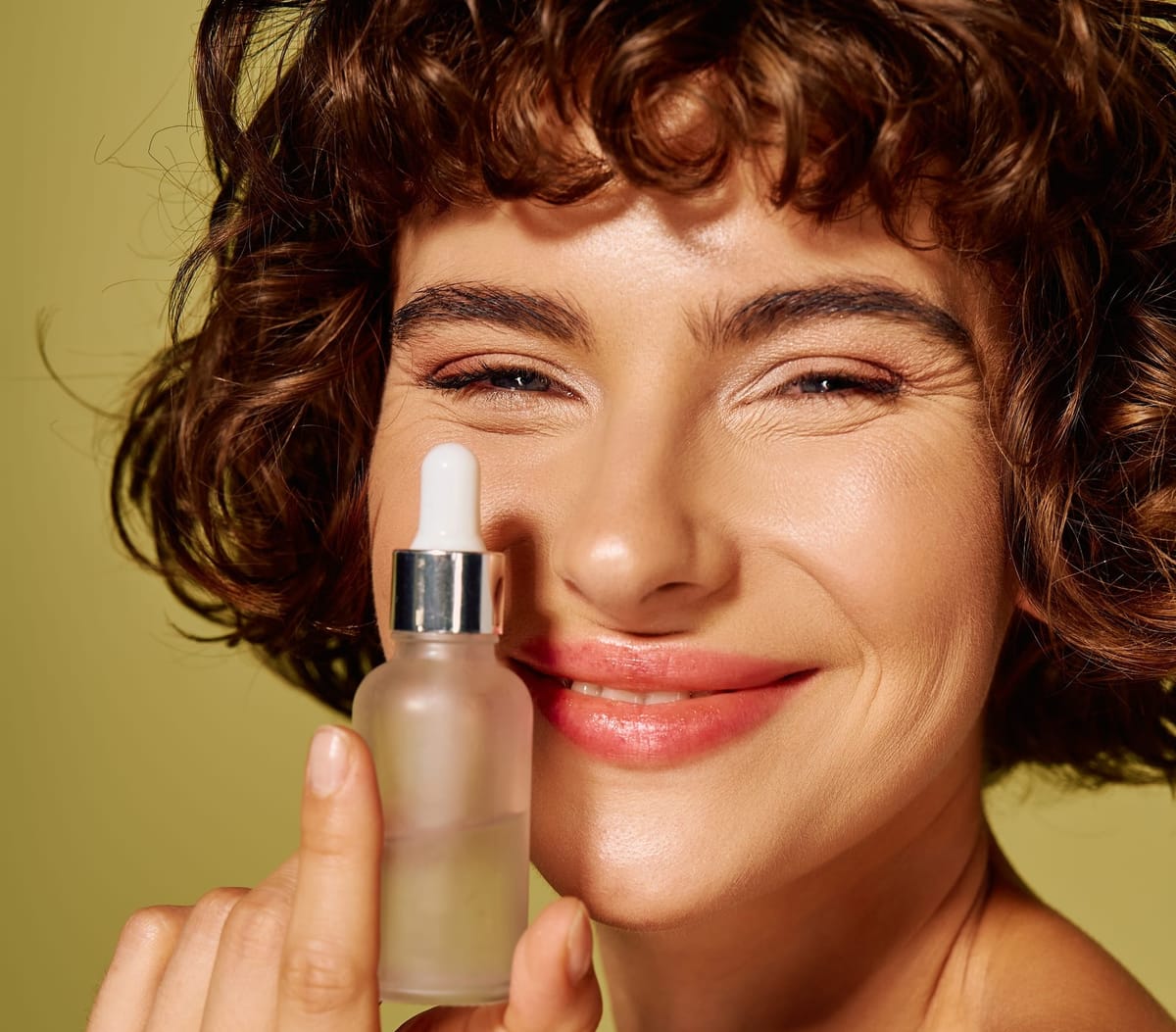
Serums are lightweight, fast-absorbing liquids packed with concentrated active ingredients. Their job is to target specific skin concerns like fine lines, dark spots, or acne.
Key features of serums:
- High concentration of actives (e.g., vitamin C, niacinamide, retinol).
- Light texture (water- or gel-based) to penetrate deeply.
- Small molecules that can reach deeper layers of the skin.
Common serum types:
- Hydrating serums → hyaluronic acid, glycerin.
- Brightening serums → vitamin C, licorice extract.
- Anti-aging serums → retinol, peptides.
- Calming serums → niacinamide, centella asiatica.
Serums are powerful—but they’re not designed to lock in hydration or act as a protective barrier. That’s where creams come in.
What Is a Cream (Moisturizer)?
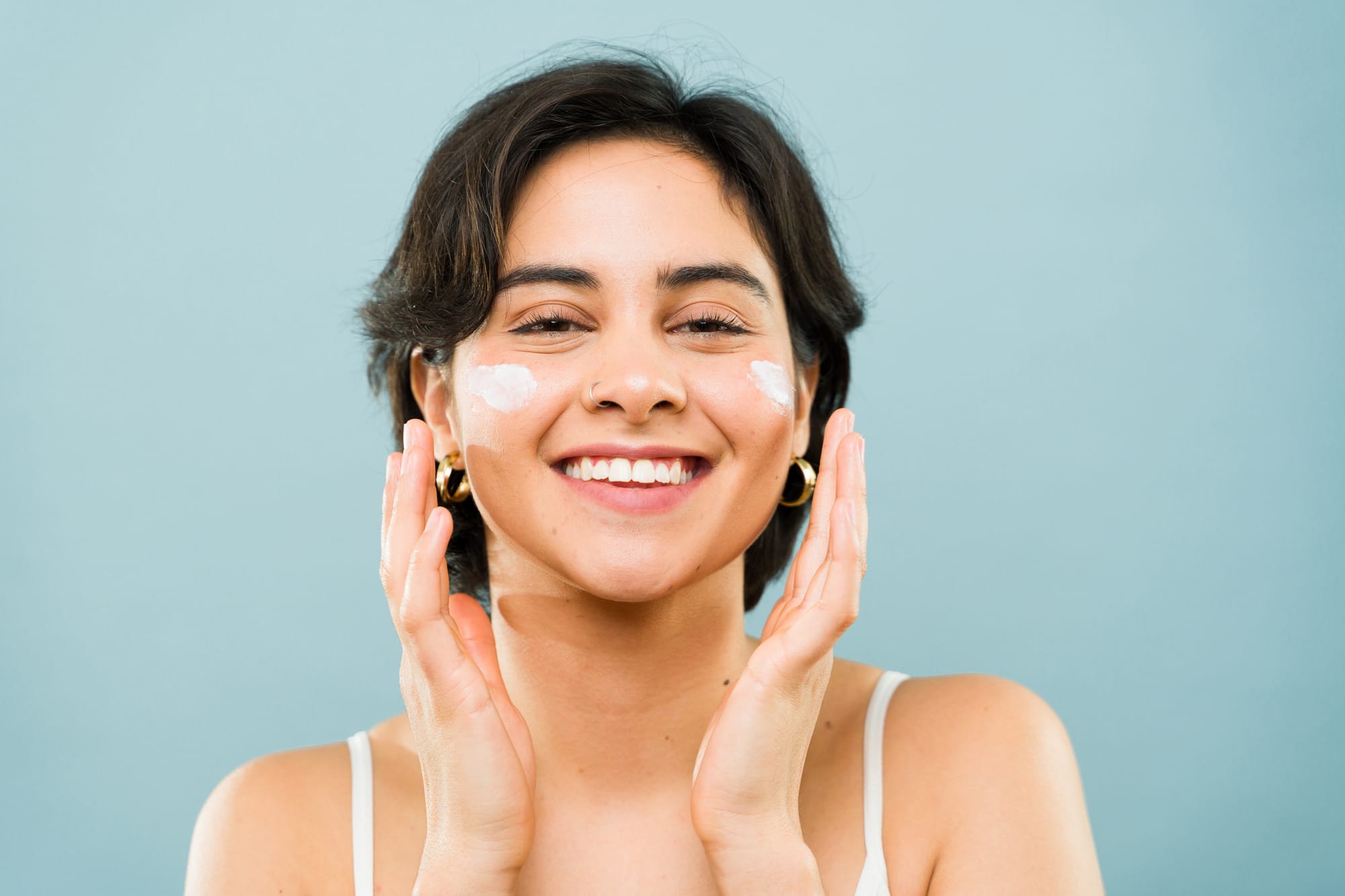
Creams, or moisturizers, are thicker formulations that hydrate the skin and prevent water loss. They’re designed to strengthen your skin barrier and keep it supple.
Key features of creams:
- Thicker texture (lotion, cream, or balm).
- Occlusive ingredients like shea butter, ceramides, or oils that lock in moisture.
- Barrier support—they protect against environmental stressors (wind, cold, pollution).
👉 For a full breakdown of moisturizers, how they work, and how to choose the right one for your skin type, read our in-depth guide: Moisturizers: What Works & Why.
The Science Behind Serums vs Creams
To understand the difference, think of your skin as a brick wall:
- Serums act like repair specialists, delivering targeted ingredients deep into the “bricks.”
- Creams act like mortar, sealing in hydration and keeping the barrier strong.
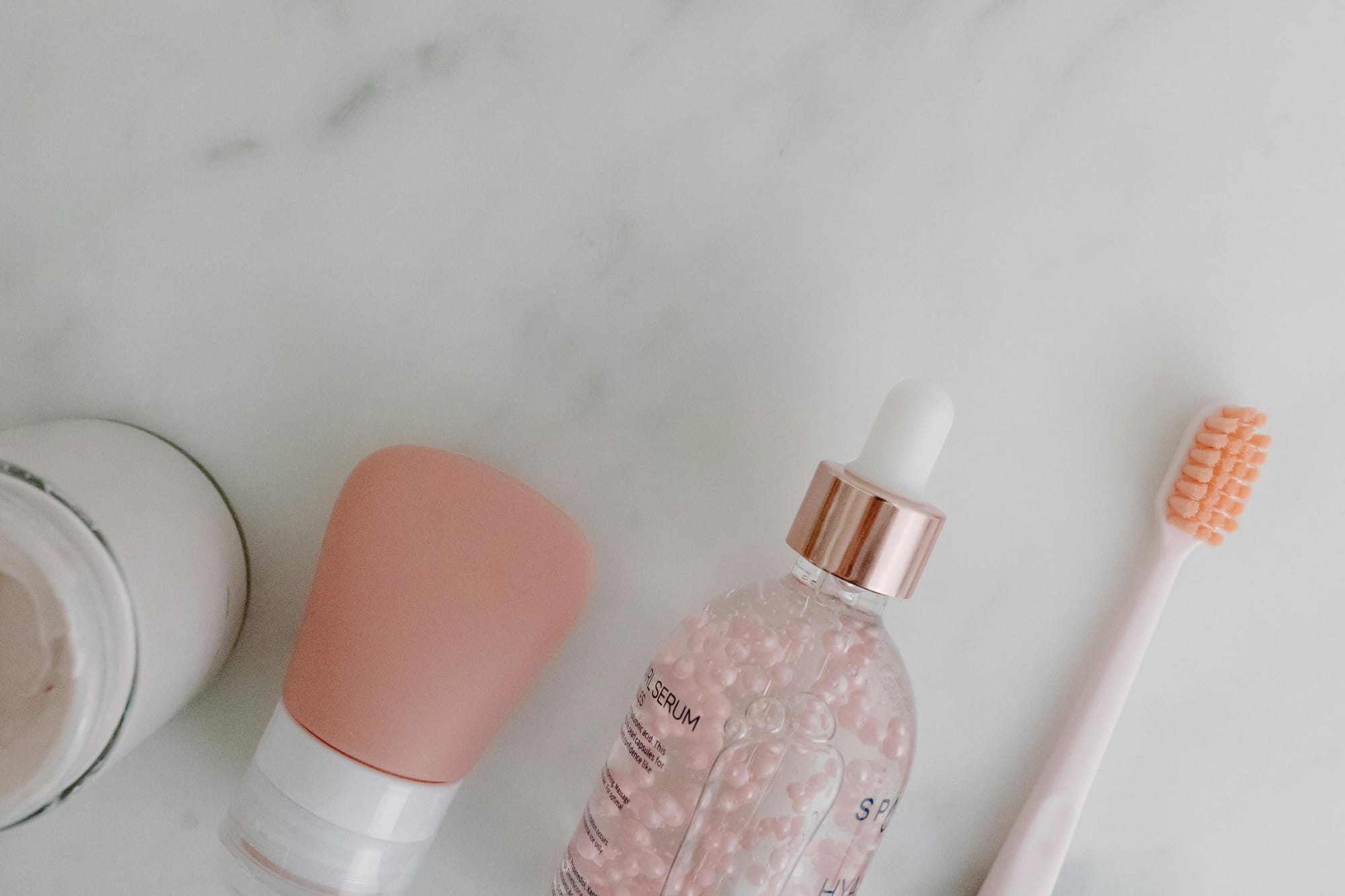
Used together, they create a complete system—serum treats the issue, cream locks it in.
When to Use a Serum
Serums are perfect if you want to address specific skin goals. Examples:
- Fine lines or wrinkles? → Retinol or peptide serum.
- Dull skin? → Vitamin C serum.
- Acne or oiliness? → Niacinamide or salicylic acid serum.
- Dryness? → Hyaluronic acid serum.
Best time to apply:
- Morning → antioxidant serums (like vitamin C).
- Night → repair serums (like retinol or peptides).
When to Use a Cream
- Creams are non-negotiable for everyone, every day. They:
- Replenish hydration.
You’ll especially notice the difference in colder months, after exfoliation, or if your skin is naturally dry.
Best time to apply:
- Morning → lightweight cream or gel moisturizer.
- Night → richer cream to support overnight repair.
- Prevent water loss.
- Protect against environmental irritants.
Do You Need Both?
Yes—most people benefit from using both. Here’s why:
Serum = treatment.
Cream = protection.
Skipping serum means you may miss targeted results. Skipping cream means your skin can dry out and lose progress.
How to Layer Serum and Cream Correctly
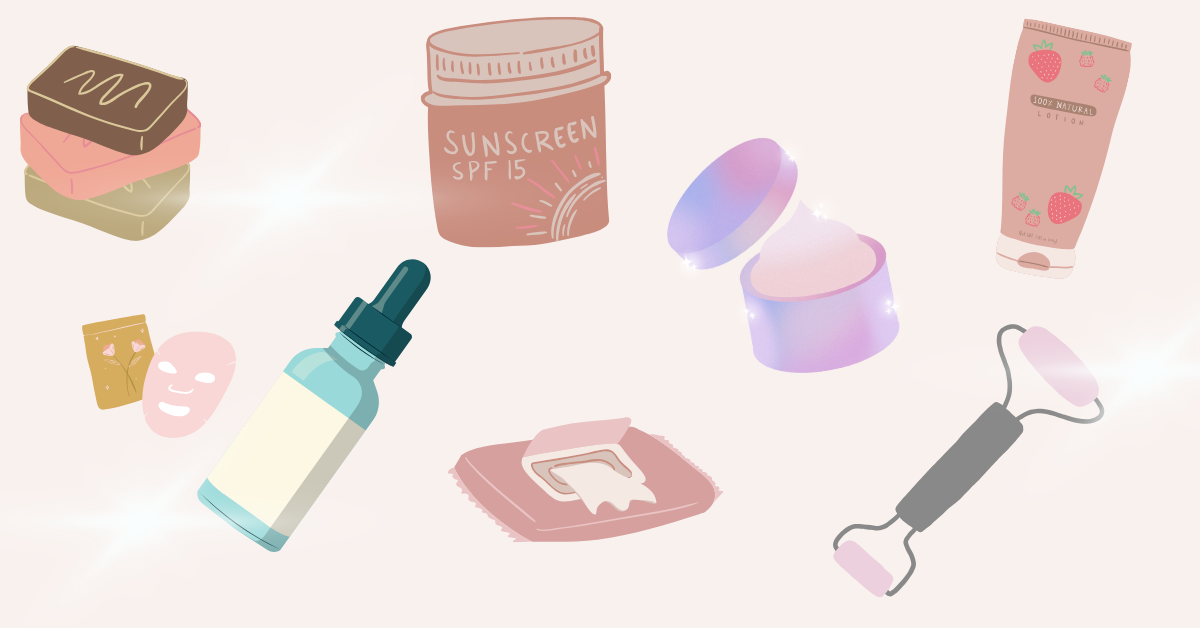
The golden rule: thin to thick.
- Cleanse
- Apply serum (lightweight, active ingredients)
- Apply cream (moisturizer to lock it in)
- Daytime → finish with sunscreen
This order ensures actives penetrate properly, while the moisturizer seals hydration in place.
Common Mistakes to Avoid
Using too many serums at once
mixing strong actives (like vitamin C + retinol) can irritate.
Replacing cream with serum
serums don’t hydrate enough on their own.
Applying cream first
blocks serum from absorbing properly.
Skipping sunscreen
even the best serums won’t work if UV damage is undoing them daily.
Seasonal Adjustments
Your skin needs change with the weather.
- Winter → richer creams to combat dryness; keep serums hydrating.
- Summer → lighter creams; antioxidant serums to fight sun damage.
Lifestyle Complements
Products matter, but lifestyle boosts results:
- Hydrate with water throughout the day.
- Eat a nutrient-rich diet (antioxidants, omega-3s).
- Prioritize sleep—night is when skin repairs.
- Manage stress—cortisol breaks down collagen.
Conclusion
Serums and creams are not competitors—they’re teammates. Serums deliver concentrated actives deep into the skin, while creams seal in moisture and reinforce the barrier.
For best results:
- Use serum as your treatment step.
- Use cream as your hydration + protection step.
- Always finish with SPF during the day.
Want to master one of the most important steps?
Learn everything about choosing the right moisturizer in Moisturizers: What Works & Why.
Your skin will thank you for using both.
FAQ: Your Skin Questions, Answered
Q: How often should I exfoliate my skin?
A: Most skin types do well with exfoliation 1–2 times per week. Over-exfoliation can weaken your barrier and disrupt your microbiome, leading to sensitivity and dryness. Always listen to your skin’s signals.
Q: Do I really need sunscreen every day?
A: Yes! UV rays penetrate clouds and windows, so your skin is exposed daily. Sunscreen is the most powerful anti-aging and skin-protective step you can take.
Q: Can diet really affect my skin?
A: Absolutely. Antioxidant-rich foods (like berries and leafy greens) help protect against free radical damage, while omega-3 fatty acids support hydration and barrier strength. Hydration and balanced nutrition show up on your skin.