Stress & Skin: The Mind-Body Connection

Introduction
We often think of stress as something that lives only in our minds—tight deadlines, endless to-do lists, or worries about the future. But stress doesn’t stop at the brain. It shows up on the skin too. From sudden breakouts to flare-ups of eczema, psoriasis, or dullness, your skin often reflects what’s happening inside your body.
In this article, we’ll explore how stress affects skin health, the science behind the mind-body connection, and how managing stress can improve your complexion. Along the way, we’ll connect stress with two other big lifestyle pillars: diet and sleep.
How Stress Affects Your Skin
When you’re stressed, your body releases cortisol, the primary stress hormone. While cortisol is useful in short bursts (like helping you escape danger), long-term high cortisol creates trouble for your skin.
Breakouts and Acne
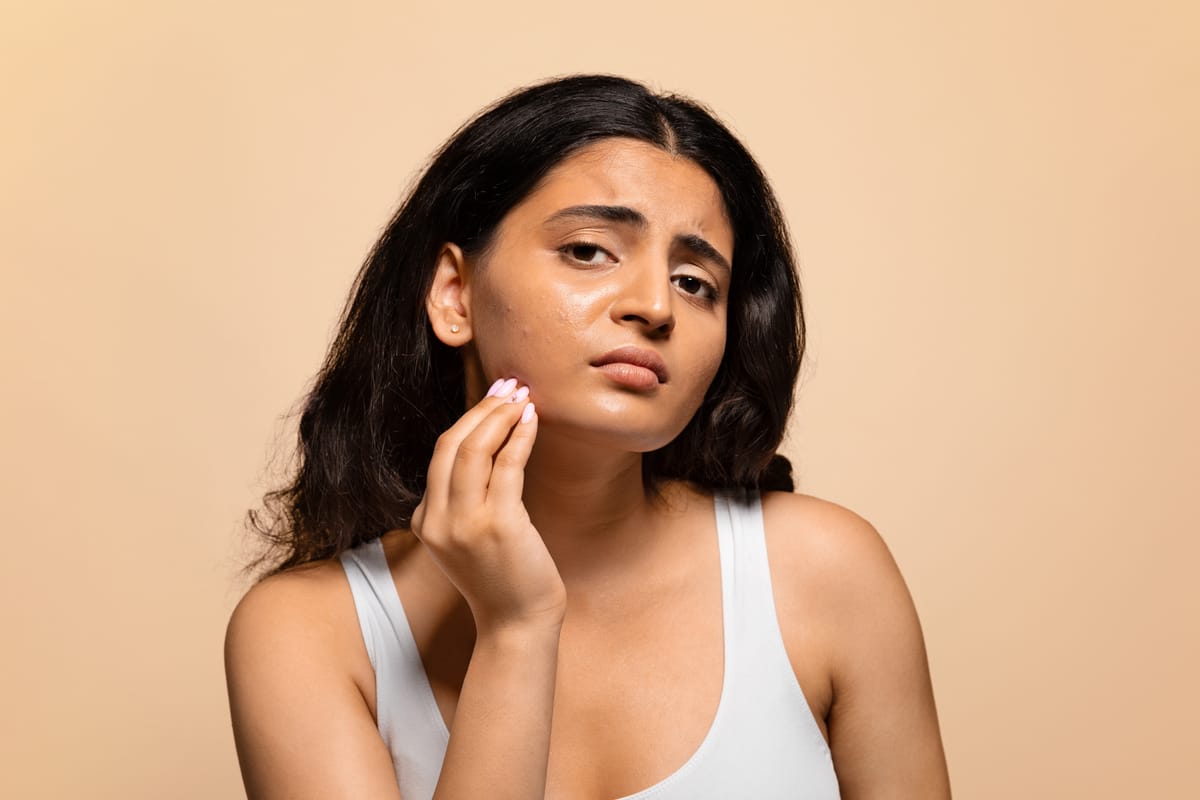
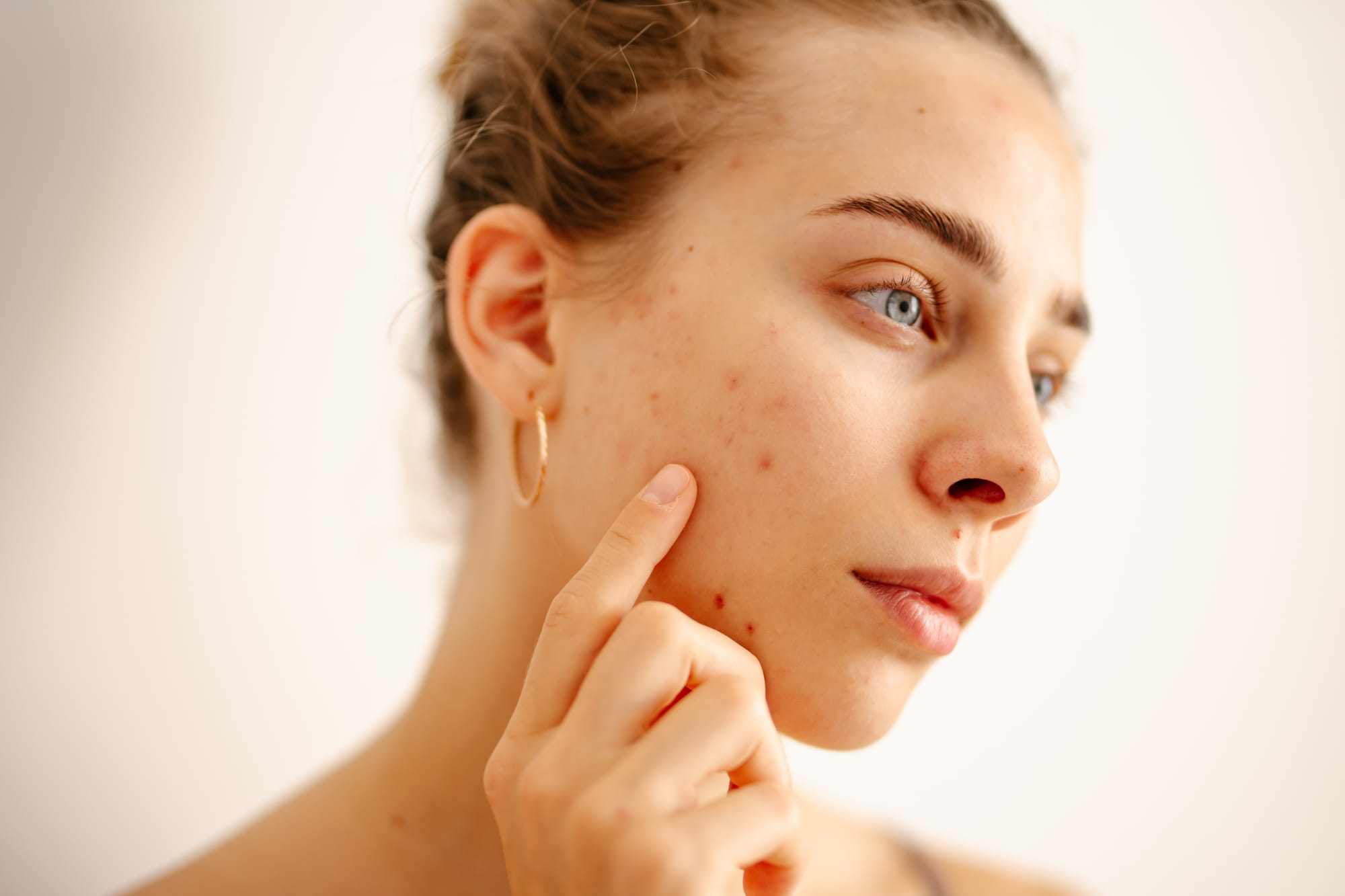
Cortisol increases oil production, leading to clogged pores and breakouts. Stress also worsens inflammation, making acne angrier and harder to heal.
Weakened Skin Barrier
Chronic stress damages your skin’s protective barrier. Without a strong barrier, skin loses moisture faster, feels more sensitive, and is more easily irritated by pollution or harsh products.
Inflammation and Flare-Ups
Conditions like eczema, psoriasis, and rosacea are all stress-sensitive. Even a short period of high stress can cause sudden flare-ups.
Slower Healing
Stress reduces circulation and slows your body’s natural repair process, meaning wounds, blemishes, and breakouts take longer to heal.
The Science Behind Stress & Skin
Research has shown that the brain and skin are connected through what’s called the “brain-skin axis.” Nerve endings in the skin communicate with your nervous system and immune system, so when your brain is under stress, your skin literally gets the signal.
- Stress hormones (like cortisol) change how your skin cells function.
- Immune response gets triggered, leading to inflammation.
- Sleep disruption—common during stress—robs the skin of its nightly repair cycle.

Stress, Diet & Skin: An Overlooked Link
Stress doesn’t just change your hormones—it changes your habits. Many people reach for sugary, salty, or fatty comfort foods when stressed. These choices can spike blood sugar, increase inflammation, and make skin conditions worse.
On the other hand, a balanced, nutrient-rich diet can help buffer the effects of stress:
Antioxidants
(fruits, vegetables, green tea) protect against stress-induced free radical damage.
Omega-3 fatty acids
(fish, walnuts, flaxseed) reduce inflammation.
Magnesium-rich foods
(leafy greens, dark chocolate) help regulate stress hormones.
Want to explore this link in more detail?
Read our article: Diet & Skin: What the Science Says.

Stress, Sleep & Skin: A Cycle You Need to Break
Stress makes it harder to sleep, and poor sleep makes stress worse. Together, they create a vicious cycle that your skin pays the price for.
When stress keeps you awake:
- Collagen production slows.
- Dark circles and puffiness become more visible.
- Inflammation worsens, fueling breakouts and flare-ups.
When you improve sleep, you improve skin’s ability to repair, restore, and glow.
Curious about the power of sleep for your skin?
Check out our full guide: Sleep & Skin Repair: Why Beauty Sleep Is Real.
Managing Stress for Healthier Skin
You can’t eliminate stress completely, but you can change how your body and skin respond to it.
1. Mindfulness & Meditation
Even 10 minutes a day of meditation can reduce cortisol and calm the nervous system.
2. Movement
Exercise releases endorphins, improves circulation, and lowers stress hormones.
3. Skincare as Self-Care
A simple nightly skincare ritual can signal your body to relax. Gentle cleansing, applying moisturizer, and massaging your face helps both mind and skin unwind.
4. Breathing Techniques
Deep breathing exercises trigger the parasympathetic nervous system, reducing stress and improving oxygen flow to the skin.
5. Healthy Boundaries
Sometimes the best stress relief is saying “no.” Protecting your mental energy often protects your skin too.
When to Seek Professional Help
If stress is causing severe skin flare-ups that don’t respond to routine care, it may be time to consult a dermatologist. They can recommend treatments like prescription creams, anti-inflammatory medications, or stress management referrals.
In some cases, combining therapy (to manage stress) with dermatological care (to treat symptoms) provides the best long-term results.
Conclusion: Your Skin Reflects Your Mind
Stress isn’t just in your head—it shows up on your skin. By learning to manage stress through mindfulness, diet, exercise, and sleep, you’re not only improving your mental health but also giving your skin the tools it needs to heal and thrive.
The next time you notice a breakout or flare-up during a stressful week, remember: your skin and mind are deeply connected. Taking care of both will give you the long-lasting glow you deserve.
For a full picture of lifestyle and skin:
- Discover how food affects your skin in Diet & Skin.
Explore why rest is your best skincare tool in Sleep & Skin Repair
FAQ: Your Skin Questions, Answered
Q: How often should I exfoliate my skin?
A: Most skin types do well with exfoliation 1–2 times per week. Over-exfoliation can weaken your barrier and disrupt your microbiome, leading to sensitivity and dryness. Always listen to your skin’s signals.
Q: Do I really need sunscreen every day?
A: Yes! UV rays penetrate clouds and windows, so your skin is exposed daily. Sunscreen is the most powerful anti-aging and skin-protective step you can take.
Q: Can diet really affect my skin?
A: Absolutely. Antioxidant-rich foods (like berries and leafy greens) help protect against free radical damage, while omega-3 fatty acids support hydration and barrier strength. Hydration and balanced nutrition show up on your skin.