Sunscreen & Hyperpigmentation: Why It Matters

Hyperpigmentation—those dark spots, patches, and uneven tone—can be one of the most frustrating skin concerns. Many people invest in brightening serums, exfoliants, and even professional treatments, but there’s one crucial step that often gets overlooked: sunscreen.
If you’re serious about preventing and treating hyperpigmentation, daily sun protection isn’t optional—it’s the foundation. Without it, no product or treatment can deliver long-term results.
For a deeper dive into how hyperpigmentation forms, check out Hyperpigmentation Explained: Causes & Types.
Why the Sun Is Hyperpigmentation’s Worst Enemy
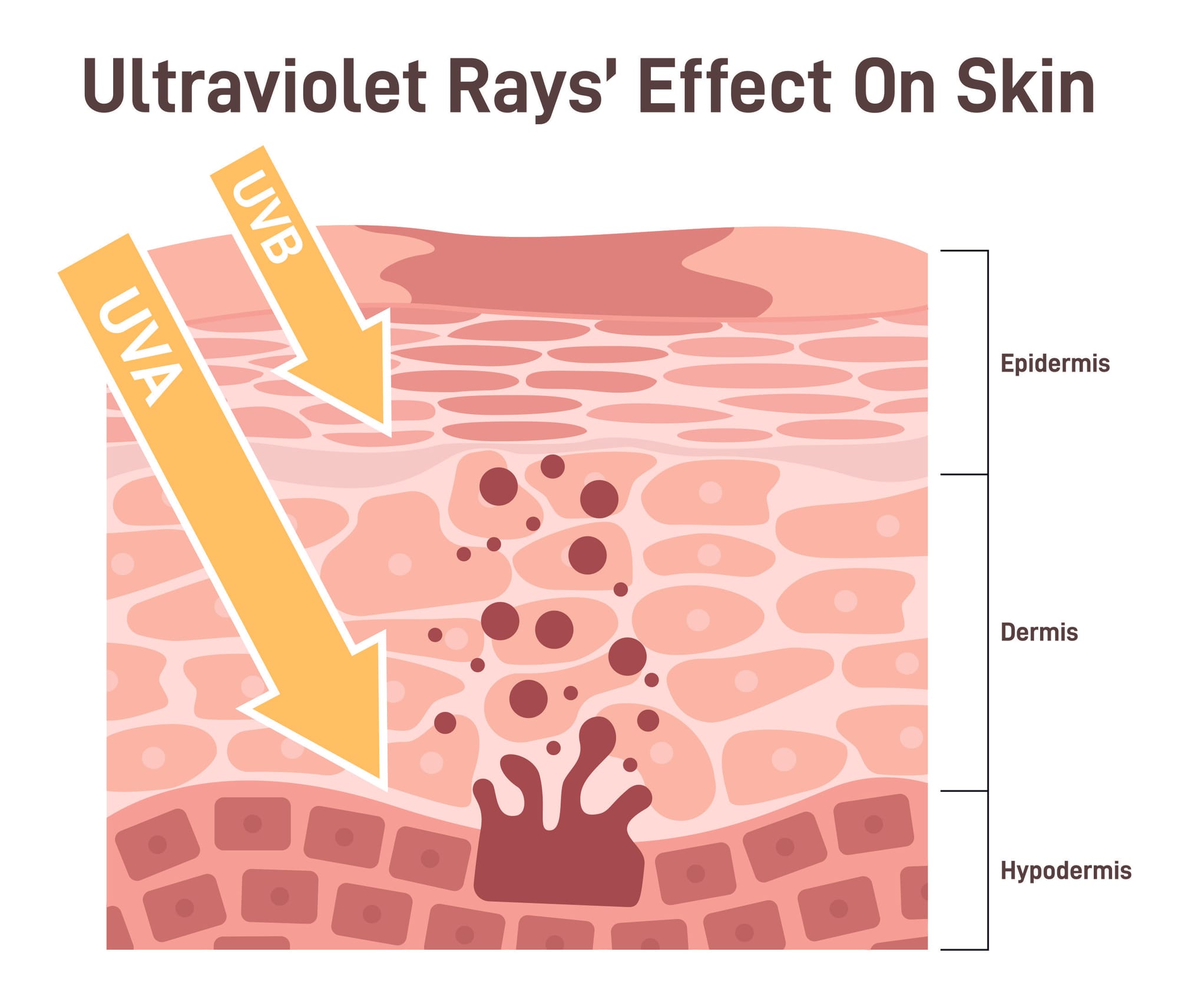
The sun emits ultraviolet (UV) rays, and both UVA and UVB contribute to pigmentation:
- UVA rays penetrate deep into the skin, triggering long-term pigmentation, aging, and melasma.
- UVB rays damage the surface, causing sunburn and visible spots.
Both stimulate melanocytes, the pigment-producing cells, to make more melanin. For people prone to hyperpigmentation, this overproduction translates directly into dark spots or patches.
Even a few minutes of unprotected sun exposure can undo weeks of progress in fading pigmentation.
Common Types of Pigmentation Worsened by Sun
Sunspots (Solar Lentigines)
Caused by cumulative UV exposure over years.
Post-Inflammatory Hyperpigmentation (PIH)
Dark marks after acne, cuts, or irritation worsen with sun exposure.
Melasma
Deep pigmentation strongly triggered by UV rays (and sometimes hormones).
Freckles
While genetic, freckles darken significantly with sun exposure.
Why Sunscreen Is Essential for Treatment Success
Many treatments—like vitamin C, retinoids, or exfoliants—work to lighten pigmentation. But without sunscreen:
- UV exposure cancels out progress.
- Skin becomes more sensitive (especially with actives), making pigmentation worse.
- In-office treatments (peels, lasers) may even backfire if SPF is skipped afterward.
Think of sunscreen as insurance for your skincare routine: it protects your investment in other products.
What Type of Sunscreen Works Best for Pigmentation?
Not all sunscreens are created equal. For hyperpigmentation, look for:
Broad-spectrum SPF 30+
protects against UVA + UVB.
Mineral sunscreens
(zinc oxide, titanium dioxide) → gentle and effective, especially for sensitive skin.
Tinted sunscreens
provide additional protection against visible light, which can also worsen melasma.
Pro tip: Sunscreen isn’t just for sunny days. Up to 80% of UV rays penetrate clouds, and UVA can pass through glass.
How to Apply Sunscreen Properly
- Use 2 fingers’ worth of product for the face and neck.
- Apply every morning, as the last step in your routine (before makeup).
- Reapply every 2 hours if outdoors.
- Don’t forget commonly missed spots: ears, neck, chest, and hands.
Sunscreen & Daily Skincare Routine
Here’s how sunscreen fits into a pigmentation-focused routine:
- Cleanser
- Antioxidant serum (e.g., Vitamin C)
- Moisturizer
- Sunscreen (SPF 30+)
At night, you can focus on treatments like exfoliants or retinoids, but daytime protection must always end with sunscreen.
Common Myths About Sunscreen & Pigmentation
Myth 1: Sunscreen is only for fair skin.
Truth: Pigmentation affects all skin tones, and darker skin often struggles with longer-lasting marks.
Myth 2: Sunscreen is only for summer.
Truth: UVA rays are constant year-round, even indoors near windows.
Myth 3: Makeup with SPF is enough.
Truth: You’d need 7–10 layers of foundation to reach the SPF on the label. Always use a standalone sunscreen.
Lifestyle Habits That Boost Sunscreen’s Effectiveness
- Wear hats and sunglasses for extra protection.
- Avoid peak sun (10 AM–4 PM) when rays are strongest.
- Pair sunscreen with antioxidants like vitamin C for extra defense.
- Maintain consistency: daily use is more effective than occasional use.
The Bottom Line
Hyperpigmentation is stubborn—but with sunscreen, it becomes manageable. Without sunscreen, it only gets worse.
Daily broad-spectrum SPF:
- Prevents new spots from forming.
- Protects progress from treatments.
- Supports skin’s natural repair.
If you do just one thing for pigmentation, let it be this: make sunscreen a daily non-negotiable.
To learn more about how hyperpigmentation forms and the different types, read our full guide: Hyperpigmentation Explained: Causes & Types.
FAQ: Your Skin Questions, Answered
Q: How often should I exfoliate my skin?
A: Most skin types do well with exfoliation 1–2 times per week. Over-exfoliation can weaken your barrier and disrupt your microbiome, leading to sensitivity and dryness. Always listen to your skin’s signals.
Q: Do I really need sunscreen every day?
A: Yes! UV rays penetrate clouds and windows, so your skin is exposed daily. Sunscreen is the most powerful anti-aging and skin-protective step you can take.
Q: Can diet really affect my skin?
A: Absolutely. Antioxidant-rich foods (like berries and leafy greens) help protect against free radical damage, while omega-3 fatty acids support hydration and barrier strength. Hydration and balanced nutrition show up on your skin.